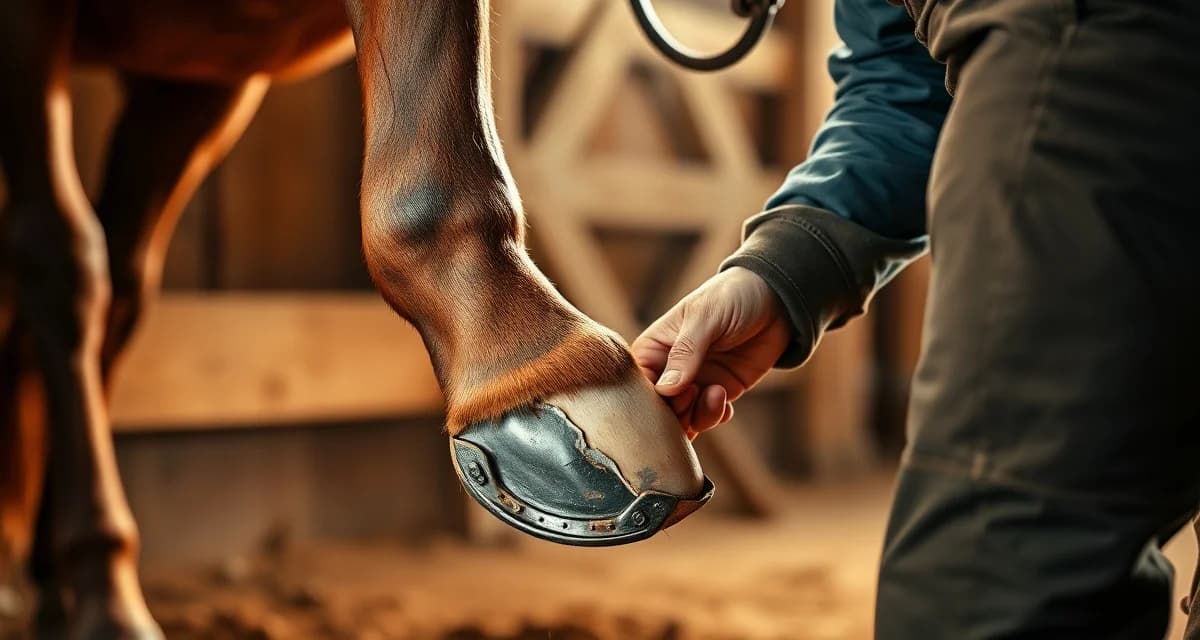
Farrier Pricing for Barrel Racing Horses: Speed, Traction, and Safety
Barrel racing horses are reshod on average every 4-5 weeks versus 6-8 for pleasure horses. That's not coincidence, it's the physics of the sport. Every run puts enormous torsional stress on hooves as the horse plants, pivots, and accelerates out of turns at competition speed.
The demands of barrel racing shoeing justify premium rates, and the best barrel horse farriers charge accordingly. This guide covers pricing, shoe types, and what makes barrel horse shoeing different enough from standard work to warrant the premium.
TL;DR
- Barrel racing horses reshod every 4-5 weeks vs. 6-8 for pleasure horses -- at 13 visits/year at $220/visit, one barrel horse generates $2,860 annually vs. $1,020-1,190 for a pleasure horse at 6-7 visits.
- Torsional stress from 180-degree turns around barrels creates hoof wall, white line, and internal structure loads that standard shoeing doesn't account for -- specialty traction management and hoof angle work are the core differentiators.
- National rate ranges: basic full set with standard traction modifications $150-215, specialty package with heel calks and angle work $195-270, aluminum full set $220-295.
- Specialty modifications add: heel calks (permanents or screw-in studs) $20-40/pair, borium or drill-tek $25-45/pair, pads for sensitive soles $35-60/pair.
- Pre-show timing matters: most barrel racers want horses shod 7-10 days before major competition -- new enough for proper fit, far enough in advance for adjustment before competing; managing this across 15-20 horses on different competition calendars requires scheduling software.
- Texas, Oklahoma, Nebraska, Colorado, and the Mountain West have the highest barrel horse concentrations; these markets have competitive rates reflecting specialized farrier expertise.
- Barrel horse trainers often have 10-20 horses in training -- one solid trainer relationship becomes a multi-horse account where a recommendation carries more weight than any marketing.
The Physics Behind Barrel Racing Shoeing
Understanding the demands helps you communicate the value. A barrel horse at competition covers approximately 200 meters in under 15 seconds, making three 180-degree turns around 55-gallon drums.
Those turns create forces that standard pleasure horse hooves don't face. The inside hoof plants while the horse's body momentum carries it laterally, that's real torque on the hoof wall, white line, and internal structures. The acceleration out of each barrel puts explosive force through the hindquarters and into the ground.
The shoeing for this has to manage traction (enough to plant and pivot without slipping), hoof wall protection (barrel horses wear their feet faster), and soundness over a competitive season. The combination of traction demands, wear rate, and competitive interval frequency is what justifies barrel racing shoeing rates above the pleasure horse standard.
Barrel Racing Shoeing Rates
These are national median ranges. Adjust based on your region and market. Texas, Oklahoma, and the Mountain West states typically have more competitive markets with more experienced barrel horse farriers, rates in those regions often reflect specialized expertise.
Basic barrel racing package (front and rear, steel):
- Full set with standard shoeing: $150-$215
- Includes any basic traction modifications the horse and rider use routinely
Specialty barrel racing package:
- Full set with heel calks, traction modifications, or specific hoof angle work: $195-$270
- This is the more common pricing tier for active competition horses
Aluminum shoes for barrel horses:
- Some barrel racers prefer aluminum for its lighter weight and energy return
- Full set in aluminum: $220-$295
- Regional variation applies, aluminum is more common in certain competitive circuits
Reset vs. new shoes:
- Reset (using existing shoes with a new nail job): $90-$140
- New shoes at every shoeing: more common for high-mileage competition horses where shoe wear is notable
Specialty modifications:
- Heel calks (permanents or screw-in studs): $20-$40 per pair
- Borium or drill-tek applications: $25-$45 per pair
- Pads for horses with sensitive soles: $35-$60 per pair
What Makes Barrel Horse Shoeing Different
No competitor guides in this space document what actually makes barrel racing shoeing a specialty. Here's what differentiates the work:
Traction Management
Traction requirements vary by the surfaces a horse competes on: arena dirt, sand, or outdoor grass. The goal is consistent purchase during the turn without the shoe grabbing so hard that the horse can't flow through the arc.
Too little traction and the horse slips at the barrel. Too much and you risk the shoe pulling or the horse rotating a joint.
The farrier's job is finding the right balance for that specific horse on the surfaces they compete on, and adjusting as the competitive circuit changes terrain. This is judgment work, not formula work.
Hoof Angle for Performance
Most barrel horses are Quarter Horses or Quarter Horse crosses with naturally upright hoof conformation. Their shoeing angles should support the way they naturally travel.
However, horses in active competition often develop subtle imbalances from asymmetric landing patterns, consistently favoring one side during turns. The farrier who notices this early and addresses it preserves soundness through a long competitive season.
Front vs. Rear Shoeing Differences
The front feet absorb concussion on landing and manage the pivot during turns. The rears provide the drive for acceleration. These different roles often call for different shoe types or modifications, a distinction that experienced barrel horse farriers handle routinely but that warrants explaining to newer clients who wonder why all four feet aren't shod identically.
Shorter Intervals
Barrel horses at peak competition season may need appointments every 4 weeks. Their feet wear faster, shoe fit degrades faster, and the precision of balance matters more over a shorter cycle. This means more appointments per year per horse, and more annual revenue per client relationship.
A barrel horse at 4-week intervals generates 13 shoeing appointments per year. At $220 per visit, that's $2,860 annually per horse. A pleasure horse at 8-week intervals generates 6-7 appointments at $170, roughly $1,020-$1,190 annually.
Building a Barrel Racing Clientele
Where to Find Barrel Racing Clients
Barrel racing is primarily a rural western sport. The highest concentrations of barrel horses are in Texas, Oklahoma, Nebraska, Colorado, and throughout the Mountain West. Shows and jackpots happen nearly every weekend during the season in these states.
Go to the shows. Not necessarily to shoe horses on-site (though some farriers do pre-show work), but to meet riders, see horses, and put your name in front of people. The barrel racing community is tight, one good connection at a barrel show can send you 5-10 new horses.
Barrel racing associations at the state level, NBHA state affiliates, WPRA, etc., are organized communities where a good reputation spreads fast.
Work With Trainers
Barrel horse trainers often have 10-20 horses in training. A relationship with one trainer is a relationship with their whole barn. Be reliable, do good work, and communicate well, trainers talk to each other, and a recommendation from a respected trainer carries enormous weight.
Track Competition Schedules in FarrierIQ
FarrierIQ's farrier scheduling for sport horses includes the ability to track competition dates for each horse, so the system can schedule pre-competition shoeing appointments at the optimal time.
Pre-show shoeing timing matters for barrel horses. Most riders want their horse shod 7-10 days before a major competition, new enough that the feet are properly fitted, but far enough in advance that the horse has a few days to adjust before competing. Managing that timing across 15-20 barrel horses on different competition calendars is where a scheduling system pays for itself.
Also pair this guide with the farrier pricing guide baseline for regional rate comparisons across service types.
Discussing Rates With Barrel Racing Clients
Barrel racers are financially invested in their horses and competitive in their outlook, they're used to spending money to win. But they're also practical. They want to understand what they're paying for.
A straightforward approach works well:
> "Barrel horses work harder on their feet than any other discipline. The torsional stress from those turns wears the shoe and the hoof faster, and the traction requirements are specific to how your horse runs and where you compete. I'm at [rate] for a full set, which includes the specific modifications your horse needs. And with a 4-5 week interval, I'll make sure I'm available on schedule so you're never going into a show with a horse who's past due."
This explains the premium, confirms the interval, and demonstrates you understand their competitive priorities.
FAQ
What do farriers charge for barrel racing horses?
Barrel racing shoeing typically runs 15-25% above standard pleasure horse rates nationally. A full set for a barrel horse with basic traction modifications runs $150-$215 in most markets. Specialty work with heel calks, aluminum shoes, or specific therapeutic modifications adds to that base. In competitive barrel racing markets in Texas, Oklahoma, and the Mountain West, rates toward the higher end of these ranges are standard for experienced barrel horse farriers.
How often should a barrel racing horse be shod?
Every 4-5 weeks for a horse in active competition. The combination of hoof wall wear from hard surfaces, the mechanical stress of turns and acceleration, and the importance of precise shoe fit for performance means longer intervals aren't advisable during competitive season. Off-season horses might stretch to 6-8 weeks, but most serious barrel racers maintain shorter intervals year-round.
What type of shoes do barrel horses use?
Most barrel horses are shod in steel, specifically designed for traction management with calks, cleats, or drill-tek applications depending on the surfaces they compete on. Some speed-focused riders prefer aluminum shoes for their lighter weight and the slight energy return they provide. Hind feet often differ from fronts, the rears may use a different calk configuration or shoe style to optimize the drive phase during acceleration. The specific setup depends on the horse, the rider's preference, and the competitive surfaces.
How should farriers document barrel horse shoeing decisions for competition clients?
Barrel horse shoeing documentation serves a different purpose than documentation for pleasure or therapeutic horses -- it's primarily about competition performance continuity. Documenting the specific shoe type, calk configuration, hoof angles, and any modifications applied at each visit creates a reference that matters when a horse is performing poorly: was it the shoeing interval, the traction setup on the new arena surface, or a developing angle imbalance? Recording competition performance notes in FarrierIQ's hoof health records alongside shoeing records (even brief notes like "ran 16.4 at Giddings, rider noted slight slip at 3rd barrel") builds a data-informed picture of what works for each specific horse. The most retained barrel horse farriers are those whose records help riders understand why their horse runs its best times.
The Barrel Racing Premium Is Earned
The shoeing demands are real. The competitive stakes are real. The shorter intervals and the judgement calls around traction and balance are real.
Charge what the work is worth. Barrel horse owners who are serious about competition understand value, they just need to know you do too.
Sources
- American Farrier's Association (AFA), farrier pricing guidance and performance horse specialization resources
- National Barrel Horse Association (NBHA), competitive calendar and performance horse care resources
- Women's Professional Rodeo Association (WPRA), barrel racing competitive standards
- American Quarter Horse Association (AQHA), performance horse care guidelines
Get Started with FarrierIQ
A single barrel horse at 4-week competition intervals generates nearly three times the annual revenue of a pleasure horse -- FarrierIQ's sport horse scheduling tracks competition calendars for each horse so pre-show appointments are always timed correctly, and the hoof health records capture the documentation that performance clients value. Try FarrierIQ free and set up your first barrel horse competition calendar before your next rodeo season.