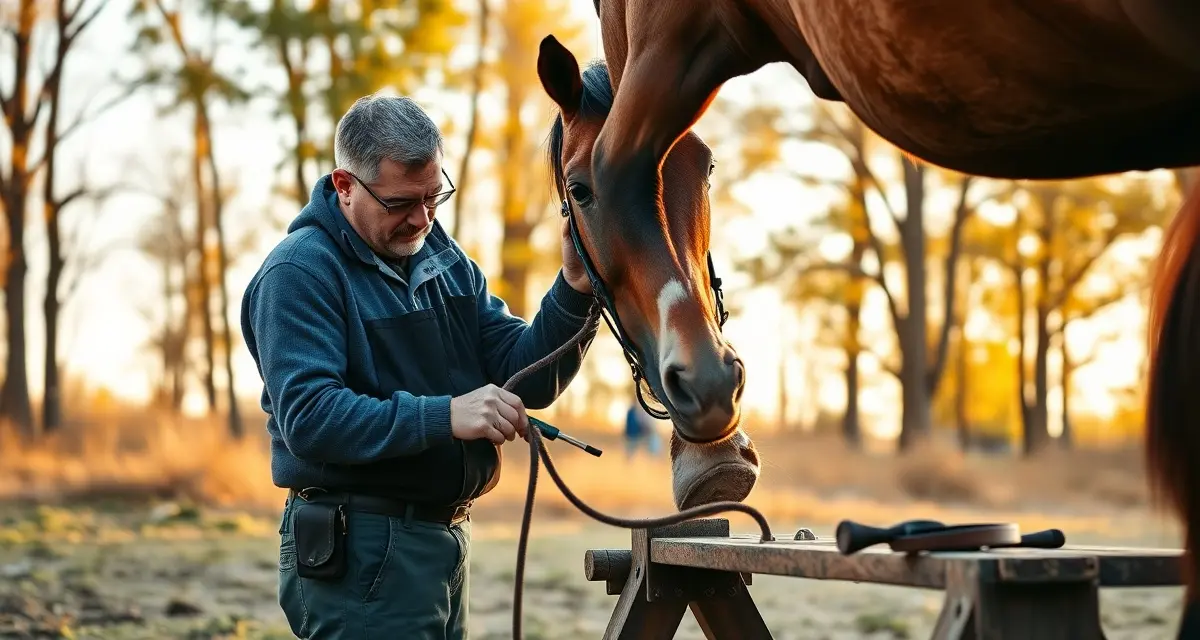
Farrier Pricing for Trail Horses: Terrain-Ready Shoeing Rates
Trail horses ridden on hard rocky terrain require shoeing replacement 30% more frequently than arena horses. That single fact changes the economics of trail horse farriery, and it's something many farriers don't communicate clearly to their clients.
Trail horse shoeing isn't glamorous specialty work, but it's technically demanding in its own way. Terrain variation, rider intensity, and the durability requirements of working horses on natural ground all affect shoe selection and interval. This guide covers pricing, shoe choices, and a terrain complexity approach that maps trail type to the right shoe and the right interval.
TL;DR
- Trail horses on hard rocky terrain require shoeing 30% more frequently than arena horses -- a horse ridden on abrasive desert sandstone or granite mountain terrain may need 5-6 week intervals vs. 7-8 weeks for flat maintained trails.
- Five terrain types require different shoe approaches: flat maintained trails (standard steel, 7-8 weeks), mixed gravel/packed dirt (heavier gauge, 6-7 weeks), rocky mountain terrain (hard steel or borium, 5-6 weeks), wet/muddy (traction studs), and desert/sandstone (hard-wearing steel, 5-6 weeks with sole consideration).
- National rate ranges: standard flat/moderate trail horse full set $145-195, active mixed terrain full set $165-210, rocky/technical terrain with hard steel or specialty shoes $185-240, borium or carbide traction add $30-55/pair.
- Endurance horses (50-100 miles per event) are a related specialty niche with sophisticated owner-clients who care deeply about hoof balance and shoe weight -- competitive endurance riders pay appropriately for farriers who understand the discipline.
- Trail horse records are particularly valuable for interval calibration -- if a horse consistently shows minimal wear at 7 weeks, the interval can extend; consistent notable wear at 6 weeks means the interval should shorten.
- Western mountain markets (Colorado, Utah, Idaho, Montana, Wyoming) and the Pacific Northwest trend toward the higher end of these ranges due to terrain demands and cost of living.
- Arena farriery is predictable; trail horse farriery requires adapting to actual ground conditions -- the farrier who articulates why rocky terrain demands a different shoe and shorter interval is providing service that commands the premium.
What Makes Trail Horse Shoeing Different
Trail horses face something arena horses don't: unpredictable terrain. Hard rock, soft mud, steep grades, gravel, a well-traveled trail horse covers all of it in a single ride. Their shoes need to handle that variation without wearing prematurely or sacrificing the traction the horse needs to stay safe on technical ground.
The demands scale directly with riding intensity. A horse doing 10-15 miles per week on relatively maintained trails has different needs than a horse covering 30+ miles weekly on mountain terrain. Getting this distinction right is the difference between a shoe that lasts the interval and one that's paper-thin by week four.
Terrain Complexity and Its Impact on Shoeing
Flat maintained trails (dirt, grass, groomed surfaces):
- Standard steel shoes adequate for most horses
- 7-8 week intervals typical
- Primary concern: normal wear and fit maintenance
Mixed terrain (gravel paths, packed dirt, some rock):
- Heavier gauge steel appropriate; some horses benefit from toe clips
- 6-7 week intervals depending on ride frequency
- Traction consideration starts to matter
Rocky mountain terrain (granite, shale, hard sandstone):
- Hard steel, borium, or carbide traction applications
- 5-6 week intervals for actively ridden horses
- Wear rate accelerates considerably on abrasive surfaces
Wet/muddy conditions (Pacific Northwest, coastal terrain):
- Traction modifications for slippery conditions
- Borium or drill-tek studs for steep muddy grades
- Interval may stay at 6-8 weeks but shoe condition needs monitoring
Desert and sandstone terrain (Southwest):
- Hard-wearing shoe selection essential
- Abrasive sand accelerates wear more than most riders expect
- 5-6 week intervals for regular riders; some horses need pads for sole protection
Trail Horse Farrier Pricing
These are national median ranges. Adjust for your region, western mountain markets and the Pacific Northwest tend toward the higher end due to terrain demands and cost of living.
Standard trail horse shoeing (flat/moderate terrain):
- Front pair only: $105-$145
- Full set (all four): $145-$195
Active trail horse shoeing (mixed terrain, regular miles):
- Full set with appropriate shoe gauge: $165-$210
- Includes consultation on terrain-appropriate shoe selection
Rocky/technical terrain package:
- Full set with hard steel or specialty shoes: $185-$240
- Borium or carbide application: $30-$55 additional per pair
Barefoot trim for trail horses:
- Many trail horses do fine barefoot on softer terrain; trim only: $40-$60
- Some clients request both shod fronts and barefoot hinds, price accordingly
Pad work for sensitive-soled trail horses:
- Pads (plastic or leather) per pair: $35-$60
- Particularly relevant for horses on rocky desert terrain or horses with thin soles
Specialty modifications:
- Trailer shoes for horses pulling cattle or working off-trail: $25-$40 additional
- Screw-in studs for seasonal terrain changes: $20-$35 per pair
Terrain Complexity Matrix: Shoe Type by Trail Type
| Trail Type | Surface | Recommended Shoe | Traction Need | Typical Interval |
|---|---|---|---|---|
| Flat maintained | Dirt/grass | Standard steel | Low | 7-8 weeks |
| Mixed | Gravel/packed dirt | Medium gauge steel | Moderate | 6-7 weeks |
| Rocky mountain | Hard rock | Hard steel or borium | High | 5-6 weeks |
| Wet/muddy | Soft ground, clay | Standard + traction studs | High | 6-7 weeks |
| Desert | Sand/sandstone | Hard-wearing steel | Moderate-high | 5-6 weeks |
| Technical backcountry | Variable | Heavier steel + pads | High | 5-6 weeks |
This framework is a starting point, not a formula. Every horse travels differently, every rider has a different use pattern, and some horses have individual conformation factors that modify the recommendations.
Communicating Terrain-Based Pricing to Clients
Trail horse owners often come from a pleasure-riding background where the expectation is that farrier work is relatively inexpensive. When you're recommending heavier shoes, traction applications, or shorter intervals for a horse ridden hard on technical terrain, that recommendation needs context.
A straightforward approach:
> "How much are you riding, and what kind of terrain? A horse doing 25 miles a week on rocky mountain trails wears shoes differently than a horse doing weekend arena rides. I want to set you up with a shoe that actually lasts your interval and gives your horse the traction he needs on that ground."
This question positions the shoe recommendation as a service, you're customizing for their specific situation, not upselling a one-size solution.
When terrain demands a shorter interval than the client expected:
> "On rocky terrain with your riding schedule, six weeks is going to be more realistic than eight. By week eight, the shoe will have worn past the point where I can safely reset it, and we'll be more likely to have a fit issue going into that last two weeks. A shorter interval actually saves you money on resets and corrective work."
This is honest and accurate. Clients who understand the reasoning appreciate the transparency.
Tracking Trail Horse Records
FarrierIQ's hoof health records are valuable for trail horses specifically because condition can change considerably between visits based on terrain and riding intensity. Documenting shoe wear pattern, sole condition, and any bruising or sensitivity at each visit gives you a running picture of how that horse is actually performing under its workload.
That data also helps you calibrate interval recommendations. If a horse consistently shows minimal wear at 7 weeks, the interval can extend. If you're seeing notable wear at 6 weeks, the interval should shorten. Without records, you're making those calls from memory.
Pair your trail horse records with FarrierIQ's farrier scheduling software to manage interval reminders automatically, particularly useful for horses on non-standard intervals that don't fit the standard 6-week or 8-week schedule.
Also reference the farrier pricing guide for baseline rates by region to contextualize your trail horse pricing in your specific market.
Building a Trail Horse Practice
Where Trail Horse Clients Are
Trail horses are concentrated in the western US (Colorado, Utah, Idaho, Montana, Wyoming, Oregon, California mountains, Southwest), but trail riding is the most popular equestrian activity nationally. Anywhere there are horses and trails, there are trail horse owners.
Boarding facilities near trail systems are obvious targets. State park and national forest areas with equestrian access attract trail horse owners. Endurance riding organizations, AERC affiliates, have members whose horses are among the most intensively used trail horses you'll find.
Endurance Horses: A Related Niche
If you're building a trail horse practice, endurance horses deserve their own consideration. Competitive endurance riders cover 50-100 miles in a single event. Their shoeing requirements, particularly around weight, traction, and sole protection, are even more specialized than standard trail horses.
Endurance horses often have sophisticated owner-clients who've done extensive research and care deeply about hoof balance and shoe weight. They pay appropriately for a farrier who understands the discipline's demands.
FAQ
What do farriers charge for trail horses?
Trail horse farrier rates vary by terrain intensity and service type. For a standard flat/moderate trail horse, a full set runs $145-$195 nationally. For actively ridden horses on technical rocky terrain with traction modifications, expect $185-$240 or more. Barefoot trims for horses managed without shoes run $40-$60. Regional variation is notable, western mountain states trend toward the higher end of these ranges.
Do trail horses need special shoes?
It depends on the terrain and riding intensity. Many trail horses on soft, moderate terrain do well with standard steel shoes. Horses ridden regularly on rocky or abrasive surfaces benefit from harder steel, carbide or borium traction applications, and potentially shorter intervals. Horses on slippery terrain (wet Pacific Northwest, muddy forest trails) often need traction studs for safety on steep grades. The right shoe for a trail horse is the one that matches the actual terrain and use pattern of that specific animal.
How often should a trail horse be shod?
Every 6-8 weeks for moderate trail use on mixed terrain. Horses ridden intensively on rocky or abrasive surfaces may need appointments every 5-6 weeks as shoe wear accelerates faster on hard ground. The practical test: if a shoe is thin enough that a reset isn't advisable by the time you're due, the interval is too long. Trail horses ridden infrequently on soft terrain may stretch to 8+ weeks without issue.
How should trail horse records differ from standard records to support interval calibration?
Trail horse records benefit from specific wear pattern documentation that standard pleasure horse records often omit. At each visit, note where the shoe has worn most: toe wear primarily (typical for mountain horses), heel wear (often related to terrain type and gait), or lateral/medial wear patterns (may indicate individual balance issues). This wear pattern documentation creates a longitudinal record that tells you -- after three or four visits -- whether the horse is wearing predictably for its terrain and interval, or whether the interval needs adjustment. Without this data, interval recommendations rely on general rules rather than that specific horse's documented wear history. FarrierIQ's hoof health records include per-visit condition notes where you can document wear patterns with the same structured logging used for hoof condition.
The Terrain Is the Variable You Can't Ignore
Arena farriery is relatively predictable. Trail horse farriery requires adapting to the ground your client's horse actually works on, and that varies more than most clients realize until someone explains it clearly.
The farrier who can articulate why rocky terrain demands a different shoe, a traction modification, and a shorter interval is providing a service the client can't get from someone who just slaps on whatever's standard. That expertise is what you're pricing.
Sources
- American Farrier's Association (AFA), trail horse and terrain-specific shoeing resources
- American Endurance Ride Conference (AERC), endurance horse care and farrier guidelines
- American Association of Equine Practitioners (AAEP), equine hoof care and terrain impact research
- USDA Forest Service, equestrian trail standards and horse use data
Get Started with FarrierIQ
Trail horses on technical terrain generate 30% more shoeing appointments per year than arena horses -- FarrierIQ's scheduling software handles non-standard intervals automatically, and the hoof health records capture the wear pattern data that calibrates interval recommendations from general rules to horse-specific evidence. Try FarrierIQ free and set up your first trail horse with its terrain-appropriate interval tracking before your next mountain route day.