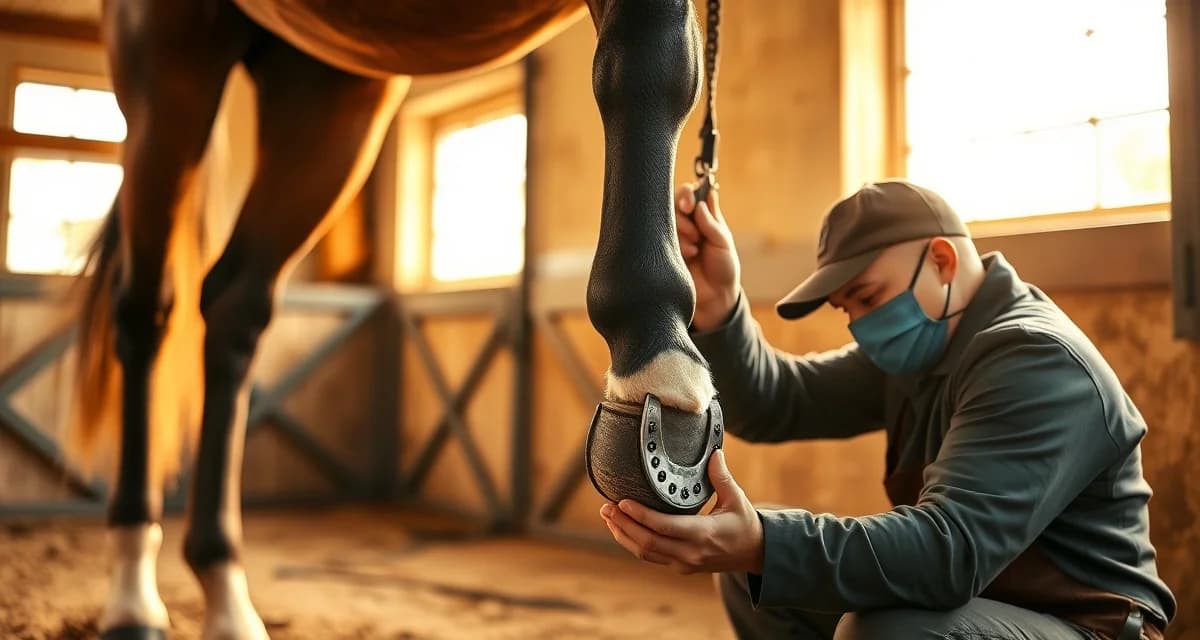
Farrier App for Hunter/Jumper Horses: Track Shoeing for Show Ring Performance
Hunter and jumper horses compete in some of the most demanding athletic environments in equestrian sport -- tight courses, hard ground, footing that changes between warm-up ring and show ring, and high owner expectations for consistent soundness.
TL;DR
- Incorrect or inconsistent shoeing shows up in hunter/jumper horses quickly -- when a horse goes short or changes way of going, the first call often goes to the farrier, and the record of what was done needs to be immediately accessible.
- Show timing coordination is essential: hunter/jumper horses are often shod around competition schedules rather than calendar dates, requiring visit windows planned backward from show dates.
- Stud hole documentation (which horses, which shoes, what stud sizes the trainer prefers for different surfaces) saves a phone call before every event and demonstrates the kind of preparation premium clients expect.
- Aluminum shoes are often preferred for jumpers (lighter weight supports better foot lift over fences); documenting what material has been used and the trainer's performance observations builds a per-horse history.
- Show horses on active A-circuits are typically on 5-6 week cycles; horses showing frequently or with fast-growing hooves may need 4-5 weeks to maintain consistent shoe condition.
- Three-way conversations between farrier, trainer, and vet are common in this discipline -- having dated records to reference makes those conversations fact-based rather than based on recollection.
Incorrect or inconsistent shoeing shows up in hunter/jumper horses quickly. A horse that's over at the knee one day, going short the next -- often the first call goes to the farrier.
The Direct Answer
A farrier app for hunter/jumper horses needs to track show schedule timing, shoe type (steel vs. aluminum, plain vs. stud holes), hoof condition observations per visit, and make that history instantly accessible when the trainer or vet calls. FarrierIQ does this with voice-recorded notes at the barn, per-horse records, and a horse owner portal that clients can access directly.
Why Hunter/Jumper Horses Have Specific Record Needs
Show Timing Coordination
Hunter/jumper horses are often shod around show schedules, not just calendar dates. A horse showing at the A-circuit needs to hit shows with shoes that aren't worn or loosening. Your shoeing cycle needs to align with the competition calendar, not conflict with it.
Tracking show schedules per horse in FarrierIQ's notes lets you plan ahead -- you know the horse is showing in three weeks and time the appointment to hit the sweet spot.
Stud Hole Management
Most hunter/jumper trainers want stud holes in some horses, particularly those competing on grass or in wet outdoor rings. Stud hole documentation -- which horses, which shoes, what stud sizes the trainer prefers -- is information that saves a call every time.
Aluminum vs. Steel Decisions
Jumpers often do better in aluminum shoes -- lighter weight supports better foot lift over fences. Hunters may go either way depending on trainer preference and the horse's way of going. Documenting what's on and what the result has been gives you and the trainer a data-based history to work from.
The Trainer Relationship
Hunter/jumper trainers are closely involved in their horses' shoeing decisions. More than almost any other discipline, you'll have regular three-way conversations with the trainer, owner, and sometimes the vet. Good records support these conversations with facts rather than recollections.
3 Key Points for Hunter/Jumper Records
1. Note Show Schedule in Horse Records
When an owner tells you a horse has a show coming up, put it in the notes. It's a reminder to yourself and a scheduling trigger for the next appointment.
2. Document Shoe Type Every Visit
Steel vs. aluminum, regular keg vs. wide web, stud holes yes/no, shoe size. This information is the baseline the trainer and vet need when they're trying to understand a performance change.
3. Flag Any Changes in Hoof Quality or Condition
Jumper landing impact loads are significant. Sole bruising, developing wall cracks, changes in heel condition -- all of these affect performance and need to be in the record.
Related Articles
- Farrier App for Polo Horses: Fast Turnaround Shoeing and Match Day Records
- Farrier App for Show Jumping Horses: Traction and Safety for Course Riders
- Farrier App for Team Roping Horses: Header and Heeler Shoeing Records
- Farrier App for Western Pleasure Horses: Records and Scheduling for Show Horses
FAQ
What records should farriers keep for hunter/jumper horses?
Shoe type, size, and material (steel/aluminum), stud hole configuration, nail pattern, hoof angle at the toe, any condition observations (bruising, white line, crack activity), and any show schedule notes the trainer has provided. For horses with ongoing lameness issues, notes on vet recommendations and any shoe modifications made at vet direction.
How often do hunter/jumper horses need shoeing?
Show horses on active circuits are typically on 5-6 week cycles. Horses showing frequently or with fast-growing hooves may be on 4-5 weeks. Horses in the off-season or in light work can usually go 6-7 weeks.
Does shoe type affect hunter/jumper performance?
Yes, measurably. Aluminum shoes reduce limb weight, which many trainers believe improves a horse's scope over fences and reduces fatigue over a long day of showing. Some horses in aluminum shoes move more freely; others don't respond significantly to the change. Documenting what a horse has been in and how it performed provides useful information for these decisions.
How do you manage a hunter barn where the barn manager, multiple trainers, and individual horse owners all have input into shoeing decisions?
Establish a clear communication protocol at the outset: who has final authority on which shoeing decisions, and how does information flow between the parties? In most professional hunter barns, the horse's trainer has the most direct day-to-day input, the owner has ultimate authority, and the barn manager coordinates logistics. When you receive conflicting instructions, document both requests in FarrierIQ and ask for clarification from the decision authority rather than choosing between them. A brief email or text confirming the decision -- "Confirming with all parties that we're going with aluminum on Prince going into the Harrisburg circuit" -- protects you and keeps everyone aligned.
What's the right protocol when a hunter/jumper horse loses soundness between shoeing visits?
Contact the trainer or owner proactively when you hear about it, rather than waiting for them to call you. Ask specifically what they're observing: which foot, at what gait, whether it's consistent or intermittent. Pull up your last visit record in FarrierIQ and review what you noted. If your last visit records show anything that now looks relevant (a minor white line area, a slight sensitivity you noted but didn't flag as significant, any angle change), that context matters. Offer to come out for an assessment visit, which may or may not require shoe changes. The farrier who responds to a soundness concern proactively and with documented context earns more trust than one who waits to be called.
Sources
- United States Hunter Jumper Association (USHJA), competition guidelines and horse care resources
- American Farrier's Association (AFA), performance horse shoeing techniques and hunter/jumper-specific resources
- American Association of Equine Practitioners (AAEP), equine lameness and sport horse soundness guidelines
- The Horse: Your Guide to Equine Health Care, hunter/jumper horse hoof care and competition shoeing coverage
- US Equestrian Federation (USEF), hunter/jumper competition regulations and equipment standards
Get Started with FarrierIQ
Hunter/jumper clients need show schedules built into appointment planning, shoe type and stud configuration documented per horse, and a complete record history that you can pull up in 30 seconds when the trainer calls. FarrierIQ's scheduling tools and per-horse records handle all of that from the warm-up ring or the barn aisle. Try FarrierIQ free and manage your hunter/jumper accounts with the documentation that A-circuit clients expect.