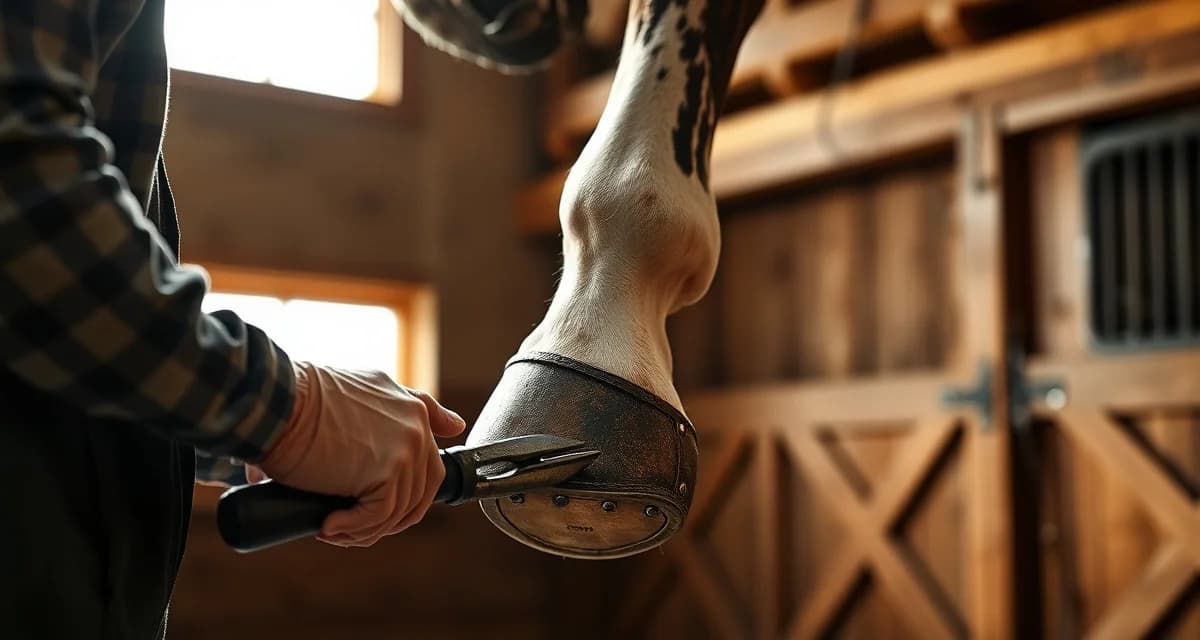
Paint Horse Hunter/Jumper Shoeing Guide: APHA Show Jumping Performance Shoeing
Paints now compete at 14 APHA-recognized hunter/jumper shows annually across the US - and the competition they face in open hunter/jumper classes includes Warmbloods and Thoroughbreds whose shoeing is specifically optimized for the discipline. A Paint competing at this level needs shoeing that matches the standards of any other performance horse in the ring, not a breed-specific approach that treats them as second-tier athletes.
TL;DR
- Paints competing in APHA hunter/jumper classes should be shod with the same flat steel or aluminum shoes used on Warmbloods and Thoroughbreds - breed-specific shortcuts put them at a competitive disadvantage
- Paint hooves are typically broader than Thoroughbred hooves, so shoe width must match the foot generously; fitting a narrow shoe to a wide Paint hoof creates real problems
- Break-over management is critical for the long, flowing stride judges evaluate - rolling or rounding the shoe toe is a common approach for hunter/jumper Paints
- Stud holes should be pre-drilled for horses competing on outdoor grass surfaces, where wet conditions make jumping traction a safety issue
- Fresh shoes applied 7-10 days before a show provide the best combination of security and comfort for APHA competition
- Shoeing intervals run every 5-7 weeks during the active show season; plan dates backward from major APHA events to avoid arriving at a show with a worn or loose shoe
Paints as Hunter/Jumper Athletes
The modern APHA hunter/jumper Paint is often a half-Quarter-Horse, half-Thoroughbred or half-Warmblood cross - athletically built, honest in the ring, and increasingly competitive at upper levels. The breed's Quarter Horse influence often gives these horses a broad, deep hoof with solid wall quality. The Thoroughbred or Warmblood cross influence adds scope and stride.
This hoof type - typically wider and with more concavity than a pure Thoroughbred - responds well to standard hunter/jumper shoeing with some breed-specific consideration for the broader foot.
Standard Hunter/Jumper Shoe Setup for Paints
Shoe selection: Most APHA hunter/jumper horses wear flat steel shoes - standard keg shoes in appropriate sizes for the horse's foot. Aluminum front shoes are appropriate for horses with active show schedules where weight savings matter. The shoe width should match the hoof's width generously; fitting a wide Paint hoof with a narrow shoe creates problems.
Break-over: Hunter/jumper horses need a smooth, forward break-over that allows the long, flowing stride that judges evaluate. The shoe toe is fitted close at the break-over point, and many farriers ease the break-over by rolling or rounding the toe of the shoe.
Heel fit: The shoe extends slightly past the horse's heels to provide support through the jumping effort. A too-short shoe that pinches the heels restricts the hoof expansion needed during landing.
Stud holes: Paints competing in outdoor shows on grass surfaces benefit from pre-drilled stud holes. The broader, flatter Paint hoof provides more surface area for grip, but outdoor grass - particularly wet grass - requires studs for safety during jumping.
Comparing Paint vs. Warmblood Shoeing
FarrierIQ breed-specific notes capture Paint hunter shoeing compared to Warmblood competitors. The practical differences are relatively minor:
- Paint hooves are often broader and may require wider shoes
- Paint wall quality is typically good to excellent, supporting standard nailing
- The stride length of a Paint hunter is often slightly shorter than a large Warmblood - break-over management may be slightly different to optimize each horse's stride
- Overall weight of shoe is similar - Paints in the hunter ring should not carry heavier shoes than necessary
See the Paint horse shoeing guide for full breed management and the hunter/jumper farrier app for discipline-specific documentation templates.
APHA Show Schedule Timing
APHA shows spread through the spring-fall season, with some year-round activity in southern states. For horses competing on the APHA circuit, timing shoeing to the competition calendar is practical - fresh shoes (7-10 days before the show) provide optimal security and comfort during competition. Tracking each horse's show season shoeing schedule alongside their hoof records helps avoid last-minute timing problems before major events.
Frequently Asked Questions
How are Paint horses shod for hunter/jumper competition?
APHA hunter/jumper Paints are shod with standard flat steel or aluminum shoes using the same approach as Warmbloods and Thoroughbreds in the discipline. Shoe selection matches the hoof size - Paint feet are often broader than Thoroughbred feet, requiring correspondingly wider shoes. Break-over is managed to support a smooth, forward stride. Heel fit extends slightly past the horse's heels for landing support. Stud holes are pre-drilled for horses competing on outdoor grass surfaces. The goal is competitive performance equipment equivalent to anything worn by the other horses in the class.
Do Paint horses need different shoes than Warmbloods for jumping?
The underlying shoeing principles are the same for Paints and Warmbloods in the hunter/jumper ring. The practical differences are mostly in sizing - a Paint may need a wider shoe to match a broader foot, while a large Warmblood needs a proportionally larger overall shoe. Some Paints with stronger Quarter Horse influence have thicker, harder hoof walls that accept nailing very well; some horses with more Thoroughbred influence have thinner walls. Evaluate each horse individually rather than applying a breed formula. The competitive goal - a shoe that supports optimal stride and safe jumping traction - is identical regardless of breed.
How often do APHA hunter Paints need shoeing?
APHA hunter Paints are typically shod every 5 to 7 weeks during the competition season. Active show horses need consistent hoof care documentation to maintain the configuration that supports their best performance and to keep shoes tight throughout competition. Horses between shows or in off-season training may go 6 to 8 weeks. The show schedule should drive timing - plan shoeing dates backward from major APHA events to ensure the horse is always shod at an optimal point in the cycle for competition. A shoe that's worn, loose, or misaligned the week before a show is a preventable problem.
Can aluminum shoes hold up through a full APHA show season?
Aluminum shoes are a practical choice for Paints on an active show schedule because the weight reduction supports a lighter, more fluid stride in the hunter ring. They do wear faster than steel, particularly on hard or abrasive footing, so horses competing frequently on packed arenas or gravel paths between rings may need more frequent replacement. Many farriers use aluminum on the fronts and steel on the hinds as a middle-ground approach. Evaluate shoe wear at each appointment and adjust material choice based on the horse's footing conditions throughout the season.
What stud configuration works best for Paint hunter/jumper horses on wet grass?
For hunter/jumper classes on wet grass, most farriers and riders use small to medium road studs or bullet studs - large studs create too much grip for the flowing, forward movement judges reward in the hunter ring and can torque the hoof on landing. The broader Paint hoof distributes landing force across more surface area than a narrow Thoroughbred foot, which slightly reduces the traction deficit on wet ground, but studs are still advisable when footing is slick. Use matching studs front and rear to keep the horse balanced through the jumping effort.
How does hoof angle affect a Paint hunter's performance in the ring?
Hoof angle directly influences how a horse breaks over and carries its stride - both factors judges assess in hunter classes. A Paint with a low, underrun heel may break over late and drag its toe, shortening the stride and reducing the flowing quality that scores well. Correcting heel height and maintaining a proper hoof-pastern alignment helps the horse move with the cadence and reach that the hunter ring rewards. Because Paint hooves are often broader and may grow differently than Thoroughbred feet, tracking angle changes across multiple shoeing cycles using digital hoof angle records helps identify drift before it affects performance.
Sources
- American Paint Horse Association (APHA), Official Show Rules and Hunter/Jumper Division Guidelines
- American Farriers Journal, Farrier Business and Equine Hoof Care Industry Publication
- United States Hunter Jumper Association (USHJA), Farrier and Hoof Care Recommendations for Competition Horses
- University of Minnesota Extension, Equine Hoof Care and Horseshoeing for Performance Horses
- American Association of Professional Farriers (AAPF), Continuing Education and Breed-Specific Shoeing Resources
Get Started with FarrierIQ
FarrierIQ lets you track breed-specific hoof notes, stud configurations, and show-timed shoeing schedules for every horse on your APHA client roster - so nothing falls through the cracks before a competition weekend. You can document Paint hoof dimensions, wall quality assessments, and break-over adjustments in one place and pull them up at the next appointment without relying on memory. Try FarrierIQ free and see how discipline-specific record keeping fits into your existing workflow.