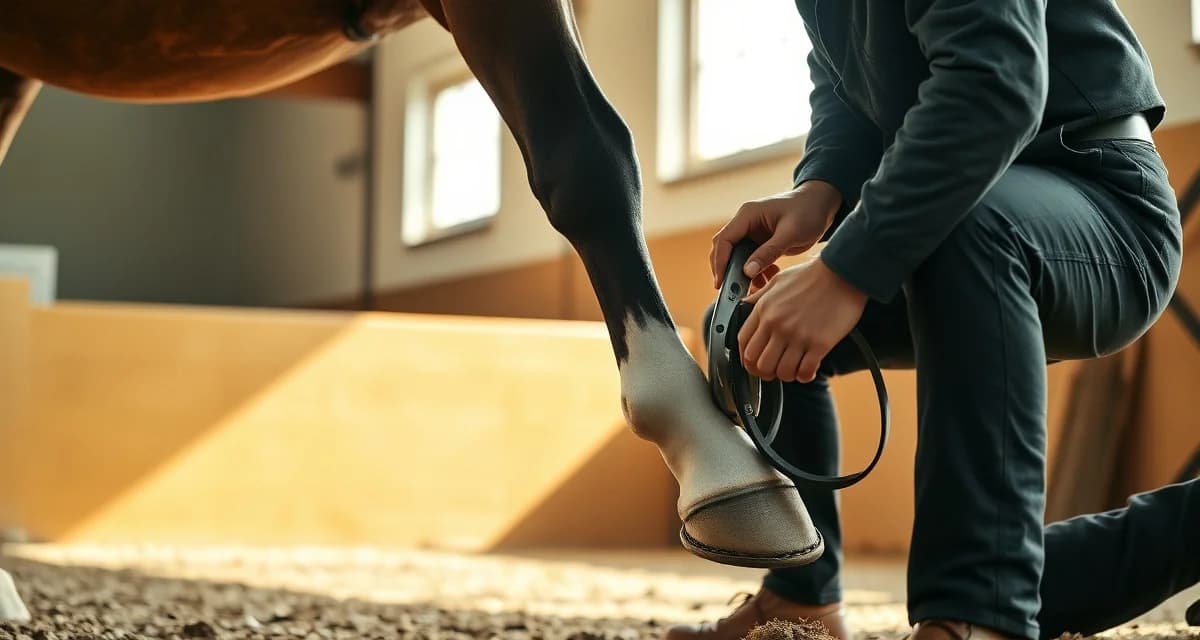
Farrier App for Dressage Horses: Tracking Shoeing for High-Performance Sport Horses
Incorrect shoeing is cited in 34% of dressage lameness diagnoses according to USDF data. That number isn't a knock on farriers -- it reflects how precisely shoeing affects a dressage horse's way of going, and how closely everyone in that horse's team is watching.
TL;DR
- Incorrect shoeing is cited in 34% of dressage lameness diagnoses -- the precision this discipline requires makes detailed, accessible records essential, not optional.
- A shoe 2mm too long on the toe changes the horse's timing in collected trot; an unsupported heel affects loading in piaffe. The trainer notices, and when they call, you need an answer backed by actual records.
- Most dressage horses are on 5-6 week cycles; competition horses often move to 4-5 weeks during show season to maintain consistent shoe condition and hoof appearance.
- Aluminum shoes reduce limb weight, which many trainers believe improves elevation and expression in collected gaits; the difference matters most for higher-level horses doing extended and collected work.
- The vet working up a dressage lameness wants to know the current shoe, the shoe from six weeks ago, any hoof angle changes, and any concerning observations from recent visits. If you can pull that up in 30 seconds from your phone, you look professional and help the vet do their job.
- Trainer feedback about movement before and after shoeing -- captured as a dated note in FarrierIQ at each visit -- builds the longitudinal record that validates (or challenges) shoeing decisions over time.
If you're shoeing dressage horses, you're working with a client base that talks to their trainer and vet constantly. The margin for a "I think I used the same shoe as last time" conversation is basically zero.
The Direct Answer
A farrier app for dressage horses needs to track shoe type, hoof angle, nail pattern, and any condition notes per visit -- and make that history instantly accessible when the trainer or vet calls. FarrierIQ does this with voice-to-notes recording at the barn, so you capture the detail while you're still looking at the foot.
Why Dressage Horses Demand Better Records
Performance Is Directly Tied to Shoeing
In dressage, the horse's ability to collect, elevate, and move with expression is inseparable from hoof balance and breakover. A shoe that's 2mm too long on the toe changes the horse's timing in collected trot. An unsupported heel affects loading in piaffe.
The trainer notices. The rider notices. And when they call asking what you did differently at the last appointment, you need an answer backed by actual records -- not a best guess.
The Vet Conversation
Dressage horses get regular vet checks -- often pre- and post-competition, and certainly when lameness appears. Vets working up a lameness diagnosis want to know:
- What shoe is on the foot right now
- What was on six weeks ago
- Whether there have been any hoof angle changes
- Any concerning observations at recent visits
If you can pull that up in 30 seconds from your phone, you look professional and you help the vet do their job. If you can't, everyone's flying blind.
3 Key Points for Dressage Horse Records
1. Record Shoe Type and Size Every Visit
Don't assume you'll remember. Dressage horses often go through changes -- aluminum for shows, steel for schooling, pads in winter. A year from now, the vet asks about shoe history and you need the specifics.
2. Note Hoof Angle and Balance Observations
Dressage trainers and owners pay close attention to hoof-pastern axis. If you're making gradual corrections, document where you started and what you're working toward. This protects you and shows the client you have a plan.
3. Flag Any Gait or Behavior Changes at the Visit
Sometimes you notice a horse is more reactive on one foot than it was six weeks ago. Note it. That observation, dated and documented, is valuable clinical information.
Related Articles
- Farrier Scheduling Software for New Mexico: High Desert Ranches and Performance Horses
- Farrier App for Polo Horses: Fast Turnaround Shoeing and Match Day Records
- Farrier Scheduling for Sport Horses: Precision Timing for Performance
- Laminitis Management for Farriers: Tracking High-Risk Horses
FAQ
What records should farriers keep for dressage horses?
At minimum: shoe type, shoe size, hoof angle at the toe, any pads or inserts used, nail pattern, and any observations about sole sensitivity, frog health, or white line. For higher-level horses, noting any trainer feedback about movement before and after shoeing is useful context.
How often do dressage horses need shoeing?
Most dressage horses are on a 5-6 week cycle. Competition horses may be on 4-5 weeks during the show season to maintain consistent shoe condition and hoof appearance. Horses in heavy collected work may wear through fronts faster and need earlier attention.
Does shoe type affect dressage horse movement?
Yes, measurably. Aluminum shoes reduce limb weight, which many trainers believe improves elevation and expression in collected gaits. Plain steel shoes are heavier but more durable. The difference matters most in higher-level horses doing extended and collected work. Some trainers have strong opinions -- it's worth knowing what the horse has gone well in historically.
How do you handle a dressage trainer who disagrees with your hoof angle recommendation?
Come to the conversation with the measured angle and the clinical rationale. Show them the hoof-pastern axis alignment you're seeing and what alignment you're working toward. Most experienced dressage trainers can be brought around with specific clinical reasoning rather than a position statement. Ask what their observation is about the horse's movement -- "what are you seeing?" -- because their performance observation and your clinical assessment together give you more to work with than either alone. Document the conversation and your recommendation in FarrierIQ regardless of the outcome, so you have a dated record of what was discussed and what was decided.
What's the difference between shoeing a dressage horse for schooling versus for a major competition?
Competition shoeing for a major dressage show typically means aluminum shoes for the performance benefit, freshly fitted within 10-14 days of the competition for optimal shoe-hoof fit, and hoof appearance (rasping, finishing) at the level that judges and ground observers will see up close. Schooling shoeing can use the same aluminum setup with slightly less emphasis on cosmetics, or steel when the horse is in heavy training rotation that would wear aluminum faster. Some trainers prefer to keep the horse in competition shoes continuously during the show season rather than switching back and forth. Document which setup is in use at each visit so you're not guessing when the owner asks which shoes they're in for the upcoming show.
Sources
- United States Dressage Federation (USDF), dressage horse welfare and shoeing guidelines
- American Farrier's Association (AFA), performance horse shoeing techniques and dressage-specific resources
- American Association of Equine Practitioners (AAEP), dressage horse lameness and soundness guidelines
- The Horse: Your Guide to Equine Health Care, sport horse hoof care and dressage performance coverage
- FEI (Federation Equestre Internationale), dressage regulations and horse welfare standards
Get Started with FarrierIQ
Dressage clients expect the same level of precision from their farrier that they apply to their sport -- detailed records, prompt communication, and the ability to answer a vet's question about six months of shoeing history in 30 seconds. FarrierIQ's per-horse records, voice-to-notes capture at the barn, and instant history access build that professional standard into every visit. Try FarrierIQ free and manage your dressage accounts with the documentation this discipline demands.