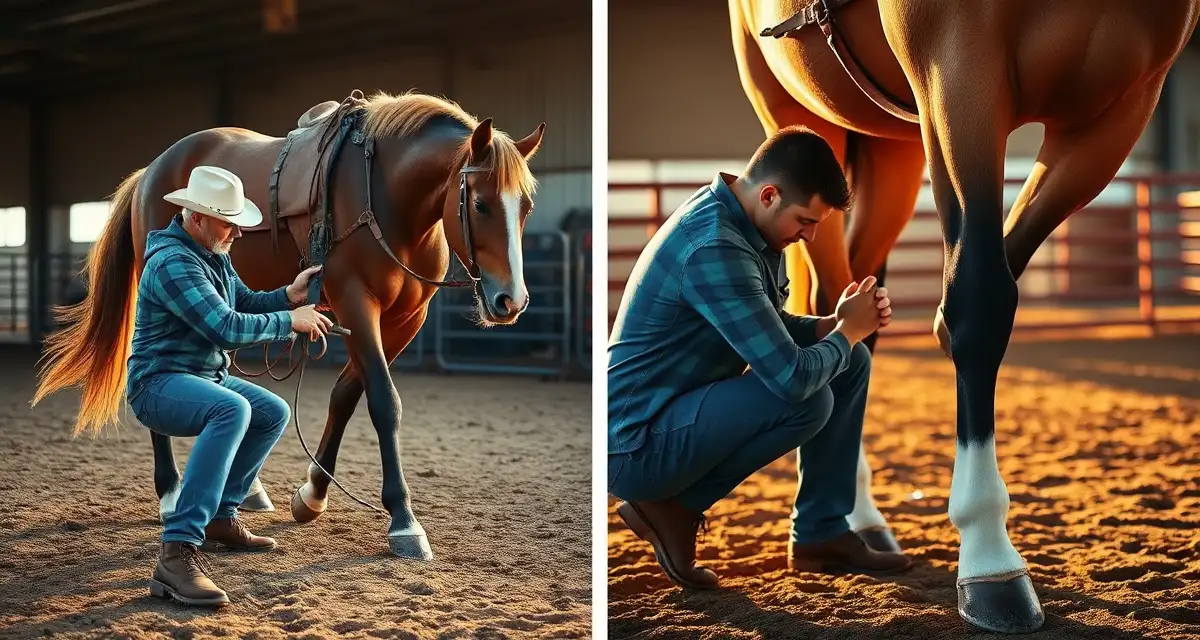
Farrier App for Team Roping Horses: Header and Heeler Shoeing Records
Team roping puts two very different horses in the same arena doing two very different jobs. Headers go after the head, driving hard out of the box and pulling the steer around. Heelers come in at an angle, gather, and hold. The biomechanical demands on each position are genuinely different, and good team roping farriers know it.
Team roping horses have asymmetric hoof wear patterns based on their position preference. That's not a coincidence. It reflects the directional forces each horse creates repeatedly, every run, every practice, every rodeo weekend. Tracking those patterns per horse tells you something useful about how to set them up.
TL;DR
- Headers and heelers have different biomechanical demands -- headers need support for forward burst and sustained tension pull, while heelers take lateral stress through the hind end during the scoring run -- and tracking position alongside shoeing notes reveals useful patterns over time.
- Team roping horses develop asymmetric hoof wear patterns that reflect their position's directional forces; per-horse records that note these patterns are what let you make informed adjustments rather than starting fresh each visit.
- Most active team roping horses are on a 5-7 week cycle; horses that rope multiple times per week or work on harder arena footing may need attention at the closer end of that range.
- USTRC and PRCA rodeo schedules are not neatly predictable -- scheduling ahead of the busy season is easier when each horse's interval is tracked and visible before the calendar fills.
- Aggressive caulks are generally avoided in roping because of torque risk on the stop; the goal is enough traction to work confidently without creating joint stress from too much grip, and that balance needs to be documented per horse.
- Team roping clients often live spread across ranch barns, arena facilities, and hobby farms -- route optimization across geographically spread clients is where the time and fuel savings add up fastest.
Headers vs. Heelers: What Changes
The header drives straight out and then turns with the steer. They need forward push and the ability to hold under tension while the heeler makes their catch. Hoof balance on a header is often weighted toward supporting that burst of speed and the sustained pull.
The heeler approaches laterally, drops back, and drives into the rope with a more sideways and forward motion. Their hind end takes notable stress during the scoring run. Some experienced team roping farriers set heeler hind feet slightly differently than they'd set a header's, accounting for the directional forces each position creates.
Whether you make those adjustments is your call based on the horse in front of you. But you need to track what you're doing to build a picture of what's working.
Capturing Position-Specific Notes in FarrierIQ
FarrierIQ's horse records let you flag whether a horse is a header or a heeler, note any asymmetric wear patterns you're seeing, and log the specific setup you used. When you're back six weeks later, you're working from actual data, not reconstructing what you did from memory while a trainer watches.
If a heeler has been pulling short and the trainer thinks it might be hind-end related, you can pull up the record and talk through what you've been doing. That's a much better position than having to say you're not sure what angles you've been running.
Scheduling for Rodeo Season
Team ropers often follow a rodeo schedule that's not neatly predictable. Weekend jackpots, USTRC and PRCA events, end-of-season pushes. The scheduling app in FarrierIQ helps you stay ahead of the calendar so horses are shod before the busy stretch, not during it.
Setting up recurring appointments that account for the 5-7 week cycles typical in active roping horses means you're not scrambling to fit someone in the week before a major event because their appointment got pushed.
Route Planning for Ranch and Arena Clients
Team roping clients often live spread out. Ranch barns, arena facilities, hobby farms. Building an efficient route through those stops is where FarrierIQ's route optimization helps. You're not adding 45 minutes of driving because your stops are out of sequence. You're building a route that makes sense for the geography and getting more done per day.
Frequently Asked Questions
How are header horses shod differently than heeler horses?
This depends on the individual horse and the farrier's assessment. Headers often need support for sustained forward drive and tension work, so front foot balance and shoe weight may be weighted toward those demands. Heelers may benefit from a slightly different hind foot setup given the lateral forces of the heeling position. Not every farrier makes these distinctions, but tracking position alongside shoeing notes over time can reveal useful patterns.
How often do team roping horses need shoeing?
Most active team roping horses are on a 5-7 week cycle. Horses that rope multiple times per week may wear shoes faster and need to be seen at the closer end of that range. The arena surface matters too. Harder footing accelerates wear.
What traction do team roping horses need for arena ground?
Most indoor and outdoor arena surfaces work well with a standard keg shoe. Some farriers add a rim shoe for horses that slip at the start or during the scoring position. Aggressive caulks are generally avoided in roping because of the risk of torquing on the stop. The goal is enough traction to work confidently without creating joint stress from too much grip.
How do you handle a team roping client who wants to add a second horse to their program that's new to the position?
Start the new horse's record in FarrierIQ and note its intended position from the first visit. Horses transitioning into a specific roping position often show different wear patterns in the first several visits than they will once they're established -- tracking from the beginning gives you a baseline to reference when the wear pattern normalizes. If the horse was previously used in a different discipline or a different position, note that in the record too. The history of what it was doing before is useful context when you're seeing something unexpected in the hoof.
What should a farrier document after a horse comes up lame following a roping event?
Note the date of the event, the footing conditions if the owner knows them, which foot or feet are involved, and the owner's description of when and how the lameness presented. Pull the last visit record and review the shoe type, any wear observations, and the interval since the last shoeing. If the lameness is hoof-related, your records establish the starting point for the vet's assessment. If the shoe is intact and the angles haven't changed, that information is just as relevant -- it helps rule out a shoeing variable and focuses the investigation on soft tissue or other causes. Document everything in FarrierIQ regardless of the outcome so the record is complete.
Related Articles
Sources
- United States Team Roping Championships (USTRC), competition guidelines and performance horse resources
- Professional Rodeo Cowboys Association (PRCA), rodeo horse care standards and farrier requirements
- American Farrier's Association (AFA), western discipline shoeing techniques and performance horse resources
- American Association of Equine Practitioners (AAEP), performance horse lameness and soundness guidelines
Get Started with FarrierIQ
Team roping clients have header and heeler horses with position-specific wear patterns, rodeo schedules that don't follow a calendar, and barns spread across rural counties that need an efficient route to serve profitably. FarrierIQ's per-horse records, scheduling tools, and route optimization give you the structure to manage a roping client base without losing track of what's working for each horse. Try FarrierIQ free and build the documented record that makes you the farrier every serious roper trusts.