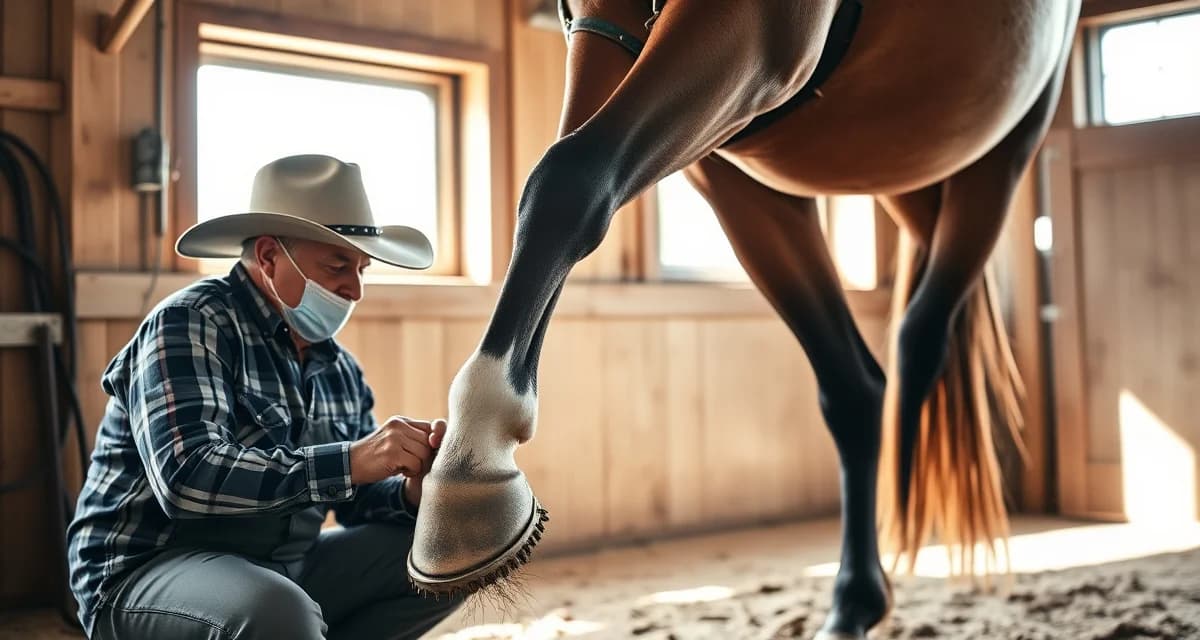
Farrier App for Western Pleasure Horses: Records and Scheduling for Show Horses
Western pleasure is a discipline built on consistency. The slow, rhythmic, cadenced gaits that judges reward require a horse that's comfortable in its shoes, moving correctly through its joints, and maintained on a schedule that doesn't let shoes get long and loose between shows.
The farriers who work AQHA and APHA Western pleasure circuits know that the owners are watching. They see every step.
TL;DR
- Western pleasure horses are typically on 5-6 week cycles during active competition season, with some trainers preferring 4-5 weeks for horses with fast growth or during peak AQHA/APHA show schedules.
- Toe length, breakover position, and hoof angle have direct visible effects on gait quality in western pleasure -- a 2mm adjustment to the breakover is the kind of specific answer trainers expect when they call asking what changed.
- Show calendar planning is essential: a horse that is 7 weeks out from its last shoeing and showing tomorrow has shoes working against it, not for it, in a discipline where judges watch every stride.
- AQHA, APHA, and NSBA shows cluster around specific dates -- having show schedule notes per horse in FarrierIQ creates a planning trigger before calendar pressure builds.
- Asymmetric wear patterns, heel condition changes, and developing white line all affect movement quality in a discipline this sensitive to gait -- early detection through per-horse records is part of the service.
- Off-season western pleasure horses can typically extend to 6-7 weeks, making interval management across an active show book more complex than a flat calendar-based approach.
The Direct Answer
A farrier app for Western pleasure horses needs to track shoe type and size, cycle timing relative to show schedules, and any hoof condition changes that affect movement quality. FarrierIQ records this per horse with voice notes at the barn and surfaces the history when you need it.
Why Western Pleasure Shoeing Demands Good Records
The Shoe Affects the Way of Going
Western pleasure horses are typically shod to produce a specific stride length and breakover timing that matches the required slow lope. Farrier adjustments -- toe length, breakover position, shoe weight -- have direct, visible effects on gait quality. When a trainer notices a change in a horse's movement, they call the farrier. Being able to say "I made a 2mm adjustment to the breakover at the last appointment" is the kind of answer that builds professional relationships.
Show Calendar Planning
AQHA, APHA, and NSBA shows cluster around specific dates. A Western pleasure horse that's 7 weeks out from its last shoeing and showing tomorrow has shoes that are working against it. Your scheduling system should know the show calendar for your show clients and flag appointments that need to hit specific windows.
Toe Length and Angle Documentation
Western pleasure farriers make precise adjustments to toe length and hoof angle that other disciplines don't require to the same degree. Documenting these measurements at each appointment gives you a reference for future adjustments and a history to show the trainer when they ask what's changed.
3 Key Points for Western Pleasure Records
1. Record Toe Length and Angle Every Visit
These are the numbers trainers and judges care about. A record showing that you've maintained consistent measurements across the last six visits -- or that you've made a deliberate adjustment -- is professional documentation that separates you from farriers who work from feel alone.
2. Note Show Schedule in Horse Files
When a client mentions an upcoming show, put it in the notes. It's your planning trigger and your protection if the client later asks why the horse wasn't shod a week before the big show.
3. Flag Any Changes in Hoof Balance or Condition
Asymmetric wear patterns, changes in heel condition, developing white line -- in a discipline this sensitive to movement quality, early detection of anything that could affect gait is valuable. Document it in FarrierIQ's hoof health records at the visit where you first notice it.
Related Articles
- Farrier App for Reining Horses: Sliding Plate Management and Hoof Records
- Farrier App for Show Jumping Horses: Traction and Safety for Course Riders
FAQ
What records should farriers keep for Western pleasure show horses?
Toe length measurements, hoof angle at the toe, shoe type and size, nail pattern, any inserts or pads, and show schedule notes. For horses with specific gait modification programs, detailed notes on adjustments made and trainer feedback on movement are useful clinical documentation.
How often do Western pleasure horses need shoeing?
Show horses in active competition are typically on 5-6 week cycles. Some trainers prefer 4-5 weeks for horses with fast growth or during peak show season. Off-season horses can usually extend to 6-7 weeks.
How does shoeing affect Western pleasure horse movement?
Significantly. Toe length affects stride length and cadence. Breakover position affects the horse's ability to fold its legs cleanly at the walk and lope. Heel angle affects joint loading and comfort. Small adjustments in any of these parameters can produce visible changes in how the horse moves, which is why documentation of measurements matters.
What should a farrier do when a Western pleasure trainer says the horse looked "off" at the lope after the last visit?
Ask specifically: off on which lead, at which point in the pattern, and whether it was consistent or only on one side. Then pull the record from the last visit and review what was done: toe length, breakover, shoe weight, any angle changes. Compare it to the previous visit to see if anything changed. If you made an adjustment, note whether the trainer's observation is consistent with the effect that adjustment would typically produce. Offer to come out and watch the horse go before making any changes -- a visual assessment gives you more to work from than a phone description. Document the conversation and any decision made in FarrierIQ regardless of the outcome.
How do you manage a Western pleasure show horse whose owner and trainer have different opinions about shoeing specifications?
Establish upfront whose preferences take priority for which decisions. In most Western pleasure programs, the trainer makes day-to-day shoeing decisions for horses in their care; the owner has ultimate authority but is often deferred to the trainer on technical questions. When preferences conflict, document both in FarrierIQ and ask for a joint decision before proceeding. A brief message -- "Confirming with both [owner] and [trainer] before the next set on [horse name]: sticking with current toe length or going back to the setup from six months ago?" -- gets the answer in writing and keeps you out of the middle. Document the final decision in the horse's record so future visits have a clear reference.
Sources
- American Quarter Horse Association (AQHA), western pleasure competition guidelines and horse care standards
- American Paint Horse Association (APHA), show horse care and farrier requirements
- National Snaffle Bit Association (NSBA), western pleasure competition standards
- American Farrier's Association (AFA), show horse shoeing techniques and performance horse documentation resources
- American Association of Equine Practitioners (AAEP), sport horse soundness and hoof care guidelines
Get Started with FarrierIQ
Western pleasure clients need show schedules built into appointment planning, precise measurements documented per visit, and a record history that lets you answer a trainer's call about what changed with a specific, documented answer. FarrierIQ's per-horse records, scheduling tools, and voice-to-notes capture build that documentation into every visit without adding desk time at the end of your day. Try FarrierIQ free and manage your western pleasure accounts with the records this discipline expects.