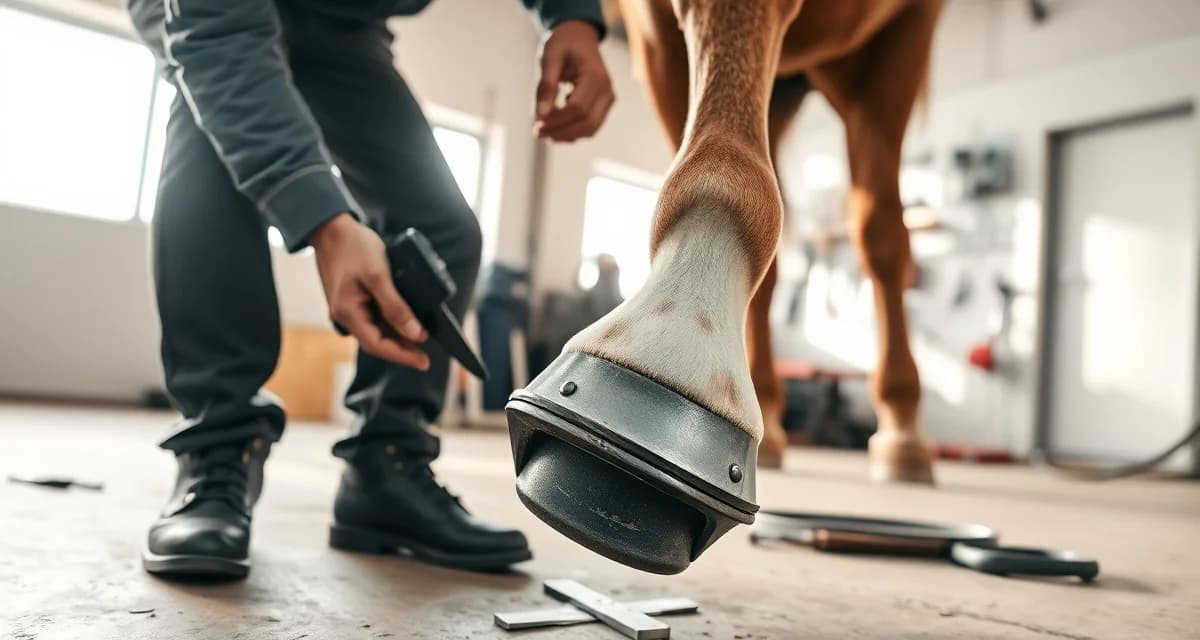
Farrier App for Reining Horses: Sliding Plate Management and Hoof Records
Reining is a precision sport, and the sliding plate is at the center of it. The difference between a 70 and an 80-point stop can come down to plate length, shoe weight, and ground preparation. When you're the farrier for a serious reining program, every detail of the sliding setup matters. And remembering those details across 30 or 40 horses is where most farriers start to lose ground.
Sliding plates on competition reining horses need replacement every 4-6 weeks during heavy training season. That's a tight cycle, and it means your reining clients need you to be organized and reliable.
TL;DR
- Sliding plates on competition reining horses need replacement every 4-6 weeks during heavy training season -- tighter than most other disciplines and demanding reliable scheduling across a full reining program.
- The difference between a 70 and an 80-point stop can come down to plate length, polish, and set position relative to the hoof -- plate specs must be documented per horse because what works in one stall does not transfer automatically to the next.
- Reining trainers are closely involved in plate decisions and will tell you exactly what they're observing from the horse's stop -- your records need to capture that trainer feedback alongside your own clinical notes.
- Off-season intervals for reining horses can stretch to 6-8 weeks, but horses in heavy competition prep doing 30-40 slides per session may need attention earlier than the 4-week mark.
- NRHA Futurity and Derby prep compresses the schedule significantly -- having each horse's record and interval visible before the competition season begins prevents the gap where a horse ships to a major show on plates that went on seven weeks ago.
- Some trainers have strong brand preferences for sliding plates -- documenting the brand, length, and any modifications is record-keeping that saves a conversation every time the horse is reshod.
What Makes Reining Shoeing Different
The hind end is everything in reining. Sliding plates let the horse's hind feet glide through the stop rather than digging in. The plate specifications, including length, fullness, polish, and how it's set relative to the hoof, all affect how the horse stops. Some horses need plates set a bit further back. Some trainers want a specific brand. Some horses stop better with a slightly different length than the last horse in the barn.
These details are not interchangeable. What works for one horse in a program is not necessarily right for the one in the next stall. Keeping that information organized per horse is one of the most important things a reining farrier can do.
Tracking Plate Specs in FarrierIQ
FarrierIQ's hoof health records let you log sliding plate specifications for each individual horse. Plate length, width, brand, any modifications, how the horse performed at the last show. When you're reshoeing that horse six weeks later, you pull up the record and work from what you know.
That historical data also helps when a trainer calls saying a horse isn't stopping well. You can look back at the record and see whether anything changed in the last set, or whether the plate specs are consistent with what's been working. That's a much more professional conversation than guessing.
Scheduling for Peak Training Cycles
Reining horses train year-round but peak for major events. NRHA Futurity prep, Derby season, regional shows. The schedule around competition season often compresses. Horses may need new plates more frequently when they're dragging 30-40 slides per practice session.
FarrierIQ's scheduling app helps you stay ahead of that compression. You can see which horses are getting close to their next visit, flag horses that might need attention before a specific show, and build your route around the barns with the most urgent needs.
Communicating With Trainers
Reining trainers are hands-on and opinionated about their horses' shoeing. That's a feature, not a problem. The best trainer-farrier relationships are built on clear communication. When you finish a visit and log your notes in FarrierIQ, you can share a summary with the trainer so they know exactly what was done, what plates were applied, and when you're planning to come back.
That communication loop keeps everyone aligned and prevents the situation where a horse ships to a major show and nobody's quite sure when the last set of plates went on.
Frequently Asked Questions
What shoes do reining horses wear?
Reining horses wear sliding plates on their hind feet. These are longer, wider, and smoother than standard horseshoes, allowing the horse to glide through stops. Most sliding plates are made from steel and are considerably flatter than a standard shoe. On their fronts, reining horses typically wear a standard keg shoe or a lighter performance shoe.
How often do reining horse sliding plates need replacement?
During heavy training season, most competition reining horses need plates replaced every 4-6 weeks. A horse doing frequent slide work and competing regularly will wear through plates faster than one in lighter maintenance work. Off-season, the interval may stretch to 6-8 weeks.
How do farriers document reining horse shoeing for performance tracking?
The most useful records include plate specifications, including length and brand, any hoof angle changes, and notes from the trainer about how the horse stopped after the last set. Tracking this over time lets you see patterns and make more informed decisions about adjustments.
What should a farrier do when a trainer says a horse's stops got worse after the last set of plates?
Pull the record and review what changed. If plate length, brand, or angle was different from the previous visit, that's the starting point for the conversation. If nothing changed technically but the horse is stopping shorter, the problem may be hoof condition, fatigue, or training-related rather than the shoe. Having the record documented means you can walk through the history with the trainer factually instead of both of you guessing. In most cases the trainer will appreciate that you have the specific information from the last three visits to reference -- it shifts the conversation from blame to diagnosis.
How do you handle a reining program where the head trainer and the assistant trainer give you conflicting plate preferences for the same horse?
Establish who has final authority and document that conversation in the horse's record. In most professional reining programs the head trainer makes final equipment decisions. When you receive conflicting instructions, note both requests in FarrierIQ and confirm the decision with the senior trainer before applying. A brief message -- "Confirming with [head trainer] before the next set on [horse name]: going with [plate spec]" -- protects you from being the farrier caught between two opinions. Once the decision is made, enter it in the record so every future visit starts from the confirmed preference.
Related Articles
- Farrier App for Cross-Country Horses: Traction and Hoof Integrity for Eventing's Toughest Phase
- Farrier App for Endurance Horses: Managing Hoof Health Over Long Distances
Sources
- National Reining Horse Association (NRHA), competition regulations and sliding plate standards
- American Farrier's Association (AFA), performance horse shoeing techniques and reining-specific resources
- American Association of Equine Practitioners (AAEP), performance horse hoof and lameness guidelines
- Professional Farrier Magazine, reining horse farrier relationships and sliding plate documentation
Get Started with FarrierIQ
Reining clients need per-horse plate specs documented, trainer feedback captured at each visit, and a scheduling system that keeps up with a 4-6 week rotation during peak season. FarrierIQ's hoof health records and scheduling tools give you the structure to manage a serious reining program without losing track of what's on which horse. Try FarrierIQ free and manage your reining accounts with the documentation that precision performance demands.