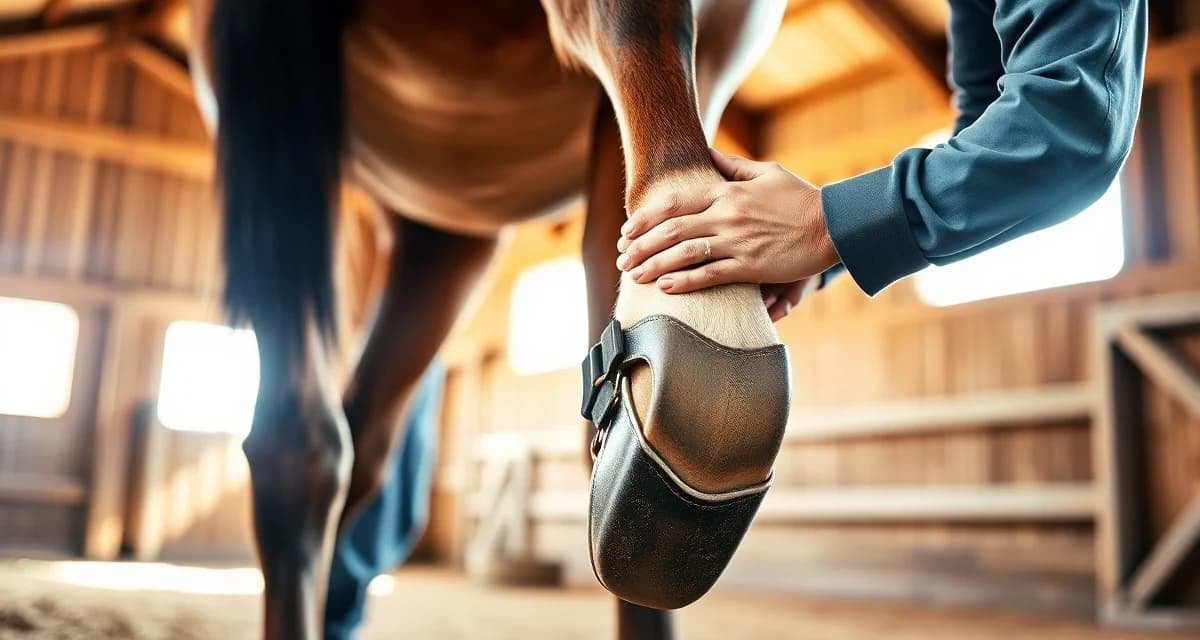
Farrier App for Cutting Horses: Hoof Management for the Most Athletic Cow Horses
If you've watched a cutting horse work a cow, you know that what they do with their body is something else. Explosive lateral movement, instant direction changes, hind-end engagement at maximum output. The hooves are taking serious force. Improper shoeing is cited in 28% of cutting horse hind end soundness issues, which tells you something about how much this sport asks of the farrier.
TL;DR
- Improper shoeing is cited in 28% of cutting horse hind end soundness issues -- the lateral demands of this discipline make hoof angle, breakover point, and traction configuration directly performance-critical.
- Cutting horses work in explosive lateral movements -- the hind feet especially need shoe angle and breakover positioned to support direction changes without creating joint torque that accumulates over time.
- Most cutting horses use a standard steel keg shoe on fronts and a rolled or beveled toe on hinds; aggressive traction on hind feet can create shear forces during lateral movement and should be calibrated carefully.
- Working cutting horses in active training go 5-7 weeks between visits; horses in peak NCHA Futurity prep may need attention at the closer end of that range.
- Performance notes alongside hoof condition data -- "trainer said horse felt better in the hind end," "horse was slipping in dry conditions" -- build per-horse knowledge across multiple visits rather than starting fresh each time.
- Scheduling around the cutting calendar (NCHA Futurity prep, major shows) prevents the timing misses that put a horse under the stress of a new set at the wrong point before competition.
Cutting horse clients tend to be serious. They're invested in their horses, they pay attention to performance, and they have opinions. Being the farrier who knows their horses' shoeing history and can have an informed conversation about traction and angles builds real loyalty in a competitive barn environment.
The Lateral Demand on Cutting Horse Hooves
The movement pattern in cutting is unlike almost any other discipline. The horse drops a shoulder, shifts weight laterally, and drives off a hind leg, all in a fraction of a second. The hoof needs to grip, absorb force, and release without slipping or torquing the limb.
Traction considerations matter on both ends of the horse. On the hind feet especially, the wrong shoe or the wrong traction device can create shear forces on joints that add up over time. Getting the shoe angle right, the breakover point right, and the traction appropriate for the arena surface is the work of a farrier who pays attention.
Performance Notes in FarrierIQ's Records
The best cutting horse farriers develop a sense of what each horse needs based on how they move and how they perform after each set. FarrierIQ lets you log performance notes alongside your standard hoof condition data. When a trainer says the horse felt better in the hind end after the last visit, that's worth recording. When they say the horse was slipping in the back during dry conditions, that's worth recording too.
Over time, those notes build into a picture of what works for each horse. You're not starting fresh at every appointment. You're building on what you know.
Scheduling Around Cutting Events and Futurity Prep
The cutting calendar has peaks. NCHA Futurity prep is intense. Major shows require horses to be at their physical best. A shoeing visit at the wrong time, too close to a major event or missed entirely in a busy stretch, affects performance and puts you in a difficult spot with your client.
FarrierIQ's scheduling app keeps your cutting horse clients on track. You can see which horses are approaching their next visit, set up recurring appointments around the competition calendar, and flag horses that need priority attention before a specific event.
Keeping the Barn Manager and Trainer Informed
Cutting operations often have multiple horses and multiple people involved in their care. The trainer, the barn manager, and the owner may all have different views on what a horse needs. Sending a brief, professional visit summary through FarrierIQ keeps everyone on the same page after each appointment. No confusion about what was done, when the next visit is scheduled, or what to watch for in between.
Frequently Asked Questions
How are cutting horses shod for lateral movement?
Most cutting horses wear a standard steel keg shoe on the fronts, sometimes with a rim or crease for added traction. On the hinds, the shoe angle and breakover point are critical for supporting explosive lateral movement. Some farriers use a slightly beveled or rolled toe on cutting horses to help the foot break over cleanly during direction changes.
How often do cutting horses need shoeing?
Working cutting horses in active training typically go 5-7 weeks between visits. Horses competing at a high level during peak season may need attention at the closer end of that range. The arena surface also matters. Hard, dry ground is tougher on shoes than soft, maintained dirt.
What traction considerations apply to cutting horse shoeing?
It depends on the arena. Indoor arenas with maintained dirt usually don't require aggressive traction. Some farriers use a creased shoe for mild traction on cutting horses. Outdoor arenas, especially in wet conditions, may need a rim shoe or mild caulks. The goal is enough grip to work without creating torque on the hind limb during lateral movement.
How do you approach a cutting trainer who has strong opinions about shoe angle that differ from your clinical assessment?
Start with the clinical data rather than a position. Show them the hoof angle measurement, what you're seeing in how the horse lands and breaks over, and what the change you're recommending is intended to do. Ask what specific performance observation drives their preference -- "I want more angle" often translates to something specific about how the horse feels, and understanding that gives you more to work with than a disagreement about a number. Document the current approach and your recommendation in FarrierIQ regardless of the outcome, so you have a clear record of what was discussed. In performance horse settings, being the farrier who explains reasoning rather than just changing things unilaterally builds the trust that earns you latitude on future decisions.
What are the early signs in cutting horses that hind foot shoeing needs adjustment?
Watch for performance notes from the trainer about the horse being less athletic behind, slipping during direction changes, or seeming reluctant to plant a hind foot. On the hoof itself, asymmetric wear patterns between medial and lateral walls, any hind limb lameness that shows up specifically after hard lateral work, and heel bruising on the hind feet can all indicate that the current setup is creating loading stress. Document what you find at each visit and compare it to the performance notes from the trainer -- the combination of clinical findings and performance feedback gives you the clearest picture of what needs adjustment.
Related Articles
- Farrier App for Barrel Racing Horses: Fast Turnaround and Precise Hoof Records
- Farrier App for Trail Horses: Managing Hoof Health for the Weekend Warriors
Sources
- National Cutting Horse Association (NCHA), cutting horse performance and soundness resources
- American Farrier's Association (AFA), western performance horse shoeing techniques
- American Association of Equine Practitioners (AAEP), equine lameness and hind limb soundness guidelines
- The Horse: Your Guide to Equine Health Care, cutting and western performance horse hoof care coverage
- American Quarter Horse Association (AQHA), breed and performance horse management resources
Get Started with FarrierIQ
Cutting horse clients expect their farrier to know their horses' history and have data-backed answers when performance issues come up. FarrierIQ's per-horse records capture hoof angle, shoe configuration, and trainer performance notes at every visit -- so when a client asks why you're adjusting the hind shoe angle, you can show them what you've been observing across the last four visits. Try FarrierIQ free and manage your cutting horse accounts with the record-keeping that competitive clients expect.