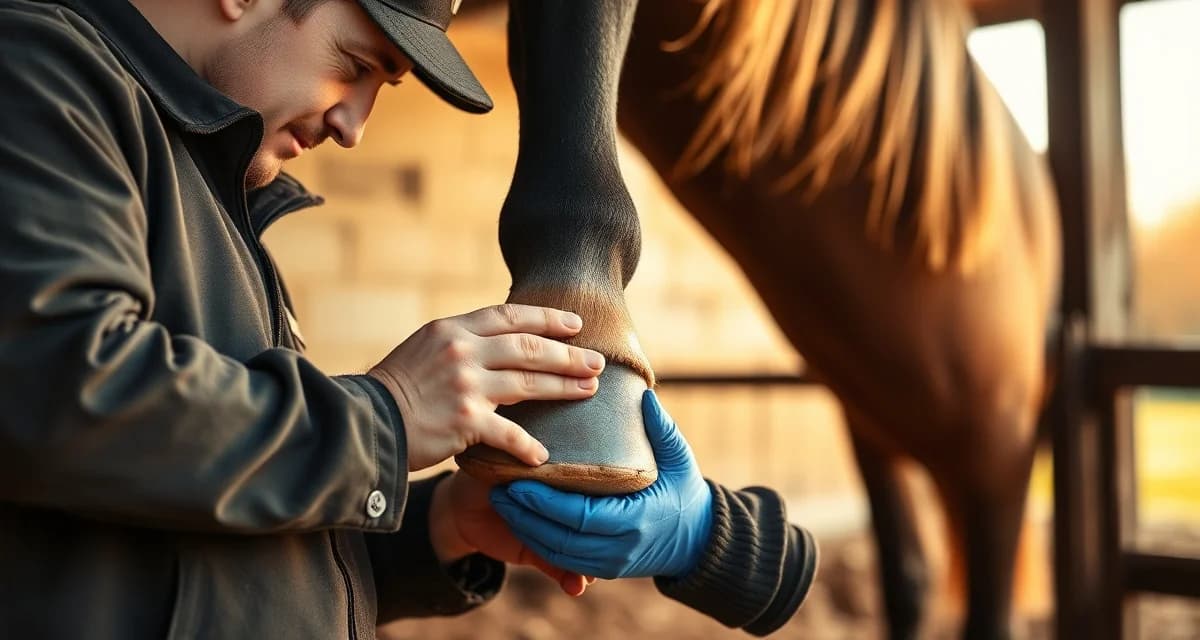
Fall Horse Hoof Care: Preparing Hooves for Winter
Fall tends to get overlooked in hoof care conversations. Spring gets attention for mud and cracking; winter gets attention for ice and snow. But fall is actually the most important preparation window of the year -- the decisions made about hoof care in October and November directly affect how well horses come through the cold months.
TL;DR
- Horses that receive a fall hoof evaluation are 28% less likely to develop winter hoof problems -- fall is the most important preparation window of the year, not a quiet season for hoof care.
- Hoof growth slows significantly in fall as temperatures drop, making fall the last window to make meaningful corrective progress (on contracted heels, thin quarters, heel imbalances) before winter limits what can be achieved.
- The fall evaluation should cover hoof wall integrity, sole depth, white line condition, frog health, and overall balance -- all assessed while active growth can still support any repair work.
- Traction decisions (borium, screw-in studs, snow pads) must be made at the fall reset, not after ice conditions arrive. Stud holes must be tapped when the shoes are set, not added later.
- Farrier schedules fill faster in October than most horse owners expect -- book the fall appointment before you need it urgently.
- The complete fall-to-winter scheduling approach is covered in the complete farrier seasonal guide for fall, including schedule management from the farrier's side.
What Changes in Fall for Horse Hooves
Ground conditions: As temperatures drop and rain increases, ground conditions shift from the hard, dry footing of late summer to a mix of firm and wet that mirrors spring. This wet-dry cycling creates some of the same cracking risks as early spring, though usually less severe because fall temperatures are more moderate.
Hoof growth rate: Growth begins slowing in fall as temperatures drop. Horses typically grow hoof at their fastest rate in summer and slowest in deep winter. The fall slowdown means a horse that needed 6-week intervals in summer may genuinely be fine on 8 weeks through winter -- or the opposite, where issues that accumulated in summer need more attention before growth slows completely.
Turnout patterns: Reduced daylight and wetter conditions often mean less turnout time in fall, particularly for horses at managed boarding facilities. Less movement means less natural hoof wear and potentially slower circulation to the feet, both of which affect hoof condition.
Pre-winter shoeing decisions: Fall is when the decisions about winter shoeing happen. Does this horse need studs? Should they switch to borium-tipped shoes for icy conditions? Should a horse on a heavy summer showing schedule go barefoot or be reset before winter? These choices have real consequences for how the horse comes through the colder months.
The Fall Hoof Evaluation
A thorough fall evaluation before winter arrives covers:
Hoof wall integrity: Address any cracks, chips, or structural weaknesses now, while there's still active hoof growth to help the repair. Cracks that go into winter unaddressed often worsen as frozen ground creates impact stress on compromised structures.
Sole depth: Thin soles are more susceptible to bruising on frozen, hard ground. If the sole is thin, this is the time to discuss pads or other protective options with your farrier before the hardest ground of the year arrives.
White line condition: Fall is a good time for a thorough white line check. The wet conditions of early fall -- and the return to stall time -- create white line disease risk. Catching it before winter means treatment happens while conditions are better for recovery.
Balance and angles: Horses that got less frequent farrier attention in summer may enter fall slightly out of balance. Correcting angles before heavy winter use is much better than discovering a problem in January when the horse is sore and the ground is frozen.
Frog health: The frog should be well-developed and healthy going into winter, since it plays an important role in circulation and shock absorption. Contracted or diseased frogs going into cold, less-active months can cause problems that are harder to manage when the horse is confined.
Decisions About Winter Shoeing
Stay shod or go barefoot?
Horses in regular winter work typically benefit from staying shod through the colder months. Horses that will be on reduced work over winter can sometimes transition to barefoot for the winter, saving on shoeing costs and allowing the hoof to spread and flex without shoe constraints. This decision depends on the horse's hoof quality, work level, and footing conditions.
Ice traction options:
For horses in regions with snow and ice, fall is the time to discuss traction options with your farrier:
- Borium welded to the shoe: Hard tungsten carbide applied to the shoe's ground surface provides excellent ice grip and lasts through multiple shoeing cycles.
- Screw-in studs: Removable studs in tapped holes allow the horse owner to add traction for icy conditions and remove them when not needed. More flexible than borium but requires more management.
- Pads with studs: Full or rim pads with integrated studs provide both cushioning and traction.
- Snow pads / snow rim pads: These have a convex sole or rim that helps prevent ice balls from packing into the foot. More on this in the winter hoof care guide, but the decision about whether to use them should happen in fall, not after the first snow.
Nail hole planning:
If you're planning to add screw-in studs for winter, the shoes need to be set with tapped stud holes. This is a conversation to have at the fall reset, not after the winter shoes are already on without them.
Preparing the Hoof for Slower Winter Growth
As growth slows through fall, there's less margin for correction once the hoof enters the slowest winter growth phase. Address problems while growth is still happening:
Contracted heels: Corrective trimming for contracted heels works by encouraging the hoof to expand as new hoof grows. With growth slowing in winter, making progress on this condition is harder through the cold months than in fall.
Weak quarter walls: Horses prone to quarter cracks often develop them when weak or thin quarter walls get mechanically stressed. Addressing thin quarters in fall with the right shoe and sometimes an acrylic patch before winter stress arrives is the right timing.
Long toe / low heel: This common conformation issue benefits from fall correction before the frozen ground of winter adds mechanical stress to an already compromised structure.
The Fall Scheduling Window
Farrier schedules are often busier in fall than many horse owners expect, particularly in October as people try to get fall resets done before the show season ends and winter arrives. Book your fall appointment before you need it urgently.
FarrierIQ's scheduling tools let farriers and clients lock in fall appointments efficiently. If you're a horse owner, let your farrier know in September that you want a fall evaluation before winter -- most farriers appreciate the advance notice and will work to accommodate clients who communicate proactively.
For clients who use a farrier managing multiple properties, fall is the season where scheduling fills quickly. Proper hoof records in FarrierIQ mean the farrier arrives prepared for each horse's specific situation rather than re-evaluating from scratch at a busy fall appointment.
Frequently Asked Questions
What hoof care do horses need in fall?
A thorough fall visit should include a complete hoof evaluation covering hoof wall integrity, sole depth, white line condition, frog health, and overall balance. Address any existing issues -- cracks, thin walls, white line disease -- before winter slows hoof growth and makes correction harder. Discuss winter shoeing options including ice traction (borium, studs, or snow pads) and whether the horse should stay shod or transition to barefoot for reduced winter work. The fall visit is also the time to correct balance issues that accumulated over the summer before frozen ground adds mechanical stress.
How do I prepare my horse's hooves for winter?
Start with a fall farrier evaluation to assess the current condition of all four hooves. Address any structural issues (cracks, thin soles, white line disease) while there's still active growth to support repair. Discuss ice traction options -- borium, studs, or snow pads -- appropriate for your climate and the horse's workload. If your horse tends to ice ball in winter, set up with anti-snowball pads before the first freeze. Maintain regular farrier appointments through winter even if the intervals are slightly longer due to slower growth, and don't let a horse go significantly overdue in winter when the hoof is under the most mechanical stress.
Should I shoe my horse differently in fall?
Possibly, depending on where you live and what the horse does. In regions with significant snow and ice, fall is the time to add ice traction -- either borium welded to the shoes or stud holes tapped for removable studs. Horses transitioning to lighter winter work can sometimes go barefoot for the season, which saves on shoeing costs and allows natural hoof expansion. Horses staying in regular work through winter typically benefit from staying shod with whatever traction option suits their footing. The key is making these decisions at the fall reset, not reactively when ice conditions are already present.
How early in fall should a horse owner schedule their farrier visit?
September is the ideal time to schedule for an October visit in most temperate climates. October is when farrier schedules start filling for fall resets, and horse owners who call in mid-October looking for an immediate appointment often find longer waits than they expected. If your horse's normal interval would put the next visit in late October or November, flag it with your farrier in September and ask to lock in a date. For horses with conditions that need fall correction before winter -- contracted heels, thin soles, white line -- earlier in October is better than waiting until the issue has less growing season to work with.
What signs in a fall hoof evaluation indicate a horse needs corrective intervention before winter?
Key flags at a fall evaluation: cracks that have grown or propagated since the last visit (particularly quarter cracks, which worsen on frozen ground), white line separation with any soft or discolored area indicating early disease, heel contraction that's progressed since spring, sole that's thin or has any sensitivity on hoof knife pressure, and balance that's visibly out of alignment in the medial-lateral or front-to-back plane. Any of these warrant addressing in fall rather than monitoring into winter. Growth slows significantly from November through February, which means structural corrections initiated in October have active growth to work with -- the same corrections started in January are working against reduced growth rate through the hardest season for the hoof.
Related Articles
Sources
- American Association of Equine Practitioners (AAEP), seasonal equine hoof care guidelines
- American Farrier's Association (AFA), fall and winter hoof preparation resources
- The Horse: Your Guide to Equine Health Care, seasonal hoof care and winter preparation coverage
- Kentucky Equine Research, seasonal hoof growth rate and cold weather hoof management research
- University of Minnesota Extension, equine fall care and winter preparation resources
Get Started with FarrierIQ
Fall is the season where scheduling discipline pays off most directly -- horses that are seen proactively in October enter winter in better shape than those who get squeezed in at the last minute or go into January with issues that didn't get addressed. FarrierIQ's interval tracking flags each horse when it's approaching its due date, so nothing slips through during the busy fall season. Try FarrierIQ free and manage your fall transition with the scheduling tools that make proactive care the default.