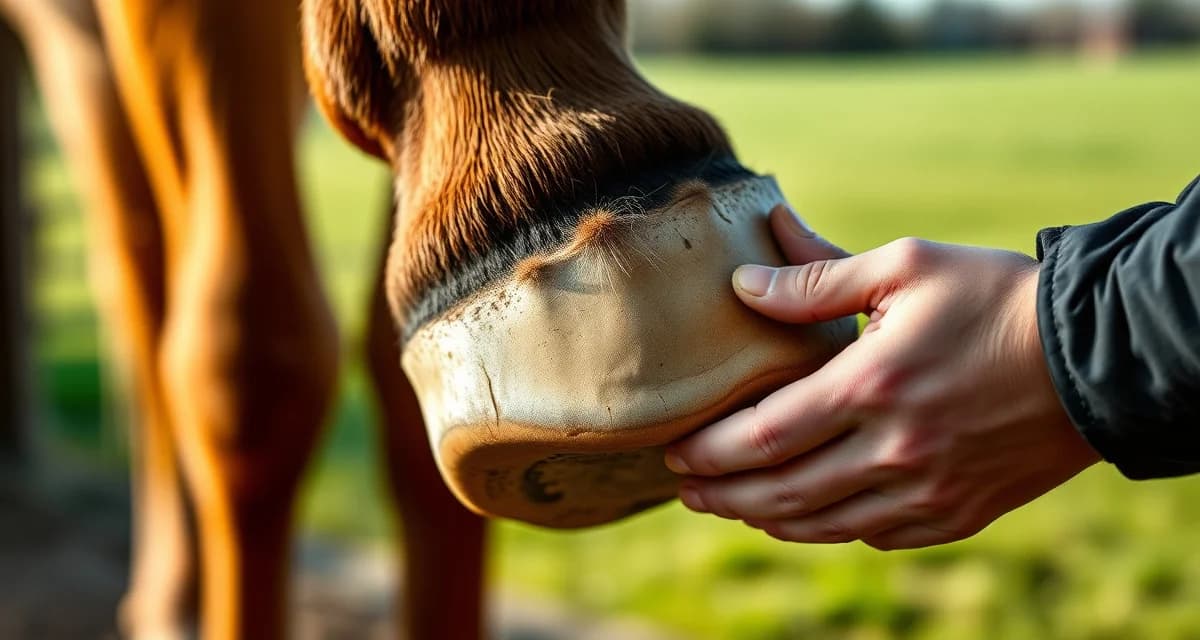
Spring Horse Hoof Care: What Farriers Recommend After Winter
Spring is one of the most demanding seasons for horse hooves, despite being the season most people associate with horses returning to health after winter. The combination of wet ground, rapid soil moisture changes, new grass, and the return of regular riding creates a set of conditions that the hoof has to adapt to quickly.
TL;DR
- Hoof wall cracking increases 35% in the first four weeks of spring due to wet-dry soil cycling, particularly at the quarter walls where the hoof is thinnest.
- Spring hoof growth accelerates 20 to 30 percent compared to the coldest winter months, meaning horses need more frequent farrier attention than they did over winter.
- Tightening farrier intervals from 8 weeks to 5 to 6 weeks for the first two months of spring is the standard recommendation for horses returning to active work.
- Horses with metabolic conditions like equine metabolic syndrome or Cushing's disease face elevated laminitis risk in spring when pasture sugar levels are highest.
- White line disease, thrush, and quarter cracks are the three most common spring hoof conditions, and all three are easier to treat when caught early at a scheduled spring evaluation.
- Hoof conditioners should be avoided on already-wet hooves; they are most useful when hooves are dry and hard, not waterlogged.
- Booking spring farrier appointments in February prevents schedule conflicts as farrier demand spikes at the start of riding season.
Hoof wall cracking increases 35% in the first four weeks of spring due to wet-dry soil transitions. That's not a coincidence -- it's the direct result of hooves cycling rapidly between saturated and dry conditions as spring weather swings back and forth. Understanding what's happening and why helps you respond correctly rather than guessing.
What Happens to Hooves in Early Spring
Winter hooves are typically harder and drier than hooves at other times of year, especially in cold climates where horses have been spending more time in stalls on dry bedding. The hoof wall contracts in cold and doesn't have the moisture fluctuations of the warmer months.
When spring arrives, everything changes rapidly. Turnout increases. Ground becomes muddy, then dries, then rains again. The hoof absorbs moisture from wet footing and then releases it as the ground dries. This expansion-contraction cycle stresses the hoof wall, particularly at the quarters where the wall is thinnest and most prone to cracking.
At the same time, most horses start getting more exercise. Increased blood flow to the feet accelerates hoof growth -- which is generally positive but means horses may need more frequent attention than they did over winter. Growth rates can increase by 20 to 30 percent in spring compared to the coldest winter months.
The arrival of spring grass also matters. Rich pasture increases caloric and sugar intake, which affects horses with metabolic conditions like equine metabolic syndrome or Cushing's disease. These horses are at higher laminitis risk in spring when grass sugars are highest.
The Spring Farrier Checklist
A thorough spring evaluation looks at several things the winter months may have affected:
Hoof wall condition: Look for horizontal stress cracks (rings or grooves), quarter cracks, and areas of flaking or separation at the white line. Winter can cause subtle structural changes that become visible and problematic once the hoof softens with spring moisture.
Sole and frog: Winter conditions sometimes cause retained sole material and dried, contracted frogs. Spring is a good time to assess whether the sole and frog are ready for increased work or need attention before full riding season starts.
Shoe condition and fit: If the horse was shod over winter, check whether the shoes are still seated properly. Some horses lose shoes in spring mud. Others retain shoes that have shifted over winter stall time.
Hoof moisture balance: Hooves that went from dry and hard all winter to suddenly very wet in spring mud may need time to adjust. In some cases, a hoof conditioner or sealant can help moderate the moisture absorption during the wettest spring weeks.
Overall balance and angle: Horses that were trimmed less frequently over winter may have developed some forward-pointing, longer-toed conformations. A spring reset that restores correct angles before riding intensity increases is good practice.
Spring Hoof Conditions to Watch For
Quarter cracks: The wet-dry cycling of spring is a primary driver of quarter crack formation. The crack usually starts small at the coronary band or at the ground surface and can worsen quickly if the horse goes into work on hard ground. Quarter cracks need prompt attention from a farrier -- they don't fix themselves.
White line disease: Spring mud and wet footing create ideal conditions for the organisms that cause white line disease. The first muddy weeks of spring are a good time to pull shoes and examine the white line carefully. Early white line is much easier to treat than advanced cases.
Thrush: Consistent wet footing creates thrush conditions. The frog becomes soft, black, and foul-smelling. Treatment involves cleaning and drying the affected area and applying a topical antimicrobial. Management changes -- cleaner footing, more time on dry ground -- are as important as topical treatment.
Soft hoof walls: After prolonged wet conditions, hoof walls absorb moisture and become softer and more prone to nail loss and cracking under work stress. This can be partly managed with topical hoof sealants applied to the outer hoof wall to moderate absorption.
Scheduling the Spring Farrier Visit
Don't wait until there's a visible problem to call your farrier at the start of spring. The best timing for a spring evaluation is before you increase riding intensity significantly. For horses that were on a winter interval of 8 to 10 weeks, bringing that down to 6 weeks for the first few spring visits is sensible as work level increases.
Farriers get busy in spring. Using FarrierIQ's scheduling tools to confirm spring appointment slots in February means you have a spot locked in before the schedule fills. Show horse owners in particular should be coordinating with their farrier on spring dates before competition season starts.
Should You Increase Farrier Visits in Spring?
For most horses returning to active work after a lighter winter, yes. The combination of faster hoof growth, increased work, and the stress of wet-dry cycling justifies tightening the interval from 8 weeks to 5 or 6 weeks for at least the first couple months of spring. Once the ground stabilizes and the horse's hoof has adapted to the change in conditions, you can reassess whether the tighter interval is still necessary.
Horses with existing hoof conditions -- previous laminitis, white line disease history, contracted heels -- should be evaluated carefully at their first spring visit and may need an even tighter interval during the high-risk period.
Tracking hoof condition changes through spring visits in FarrierIQ lets you see patterns over time. If a horse has quarter cracks every spring, that's a pattern worth noting and planning around proactively rather than reacting to each year.
What Horse Owners Can Do
Farriers handle the trimming, shoeing, and condition management, but horse owners play a role too:
Manage the mud: You can't stop spring, but you can reduce how much time your horse stands in deep, wet footing. Sacrificial paddocks, gravel pads around gates and feeders, and rubber mats in high-traffic areas reduce the wet-dry hoof cycling that drives cracking.
Watch for sudden lameness: Laminitis risk spikes with spring grass access. If a horse on new pasture shows any reluctance to move forward or appears "footsore," restrict grass access and call the vet and farrier promptly.
Keep thrush under control: Daily hoof picking during the mud season isn't optional -- it's preventive care. Clean feet dry out faster and are less hospitable to the bacteria that cause thrush.
Don't use too much hoof conditioner: This one surprises people. Applying conditioning oil or dressing to hooves that are already soft from constant wet footing can make the problem worse. Hoof conditioners are most useful when hooves are dry and hard, not when they're already waterlogged. Understanding when and how to apply hoof conditioners correctly can prevent making soft hooves worse during the wettest spring weeks.
Frequently Asked Questions
How do I care for my horse's hooves in spring?
Start with a thorough spring evaluation from your farrier before you increase riding intensity. Have the farrier check hoof wall condition, white line integrity, frog and sole health, and shoe fit if the horse is shod. Plan on tighter appointment intervals (5 to 6 weeks instead of 8) for the first couple months as hoof growth accelerates and ground conditions are most variable. As an owner, reduce time spent in deep mud, maintain daily hoof picking, and watch for signs of thrush or laminitis that often appear in early spring.
Why do horse hooves crack in spring?
Hoof cracks in spring are primarily caused by the rapid cycling between wet and dry conditions as spring weather varies. When a hoof absorbs moisture from muddy footing and then dries out as the ground firms up, the hoof wall expands and contracts repeatedly. This mechanical stress, particularly at the quarter walls where the hoof is thinnest, leads to cracking. Hoof wall cracking increases 35% in the first four weeks of spring for this reason. Quarter cracks and horizontal stress cracks are the most common presentations. They don't resolve on their own -- prompt farrier attention prevents them from worsening under increased work.
Should I increase farrier visits in spring?
For most horses returning to active work, yes. The first few months of spring involve faster hoof growth, increased work demands, and the mechanical stress of wet-dry soil cycling -- all of which justify tightening the interval temporarily. Moving from an 8-week winter interval to a 5 to 6-week spring interval for at least the first two months is a reasonable approach. If a horse has a history of spring hoof problems like white line disease or quarter cracks, an even tighter interval (4 to 5 weeks) during peak spring conditions gives you more opportunities to catch problems early.
Is spring grass really a significant laminitis trigger, or is that overstated?
Spring grass is a well-documented laminitis trigger, particularly for horses with underlying metabolic conditions. Cool-season grasses accumulate non-structural carbohydrates (sugars and fructans) rapidly during spring growth flushes, especially during cold nights followed by sunny days. For horses with equine metabolic syndrome, insulin dysregulation, or a history of laminitis, even a few days of unrestricted spring pasture access can be enough to trigger an episode. Restricting pasture time, using a grazing muzzle, or turning out during lower-risk hours (early morning before sugars peak) are practical management steps during the highest-risk spring weeks.
What's the difference between a quarter crack and a horizontal stress crack, and does it change what I should do?
Quarter cracks run vertically along the quarter of the hoof wall and are typically caused by mechanical stress, imbalance, or the wet-dry cycling common in spring. Horizontal stress cracks (sometimes called "event lines" or "grass rings") run across the hoof wall and reflect a period of disrupted growth, often tied to a nutritional change, illness, or environmental shift. Quarter cracks are generally the more urgent concern because they can deepen, become infected, and cause lameness under work. Horizontal cracks usually grow out on their own but can become entry points for moisture and bacteria if they're deep. Either way, your farrier should assess both types at the spring visit to determine whether intervention is needed.
How do I know if my horse has thrush versus a normal-smelling frog?
A healthy frog has a mild, earthy smell and firm texture. Thrush produces a distinctly foul, sulfur-like odor that's hard to mistake once you've encountered it. The affected frog tissue will appear black, soft, and may have a paste-like discharge in the central sulcus or lateral grooves. In mild cases, the horse may show no lameness at all, which is why daily hoof picking is important -- it lets you catch thrush by smell and appearance before it progresses to the point of causing pain. If the central sulcus is deeply infected, the horse may flinch when you press into that groove, which is a sign the condition has advanced and needs prompt farrier and possibly veterinary attention.
Sources
- American Farriers Journal, Lessiter Media -- industry publication covering farrier techniques, hoof pathology, and seasonal hoof care research
- University of Kentucky Equine Initiative, College of Agriculture, Food and Environment -- research on equine nutrition, pasture management, and laminitis risk factors
- American Association of Equine Practitioners (AAEP) -- veterinary guidelines on hoof care, laminitis prevention, and seasonal horse health management
- Cornell University College of Veterinary Medicine, Equine and Farm Animal Hospital -- clinical resources on hoof conditions including white line disease, thrush, and quarter cracks
- The Horse: Your Guide to Equine Health Care, Blood-Horse Publications -- peer-reviewed equine health reporting on hoof care and seasonal management
Get Started with FarrierIQ
If spring scheduling pressure, tracking recurring hoof conditions across a client roster, or staying ahead of horses prone to seasonal problems like quarter cracks and white line disease is part of your workload, FarrierIQ is built for exactly that. The platform keeps hoof records, appointment history, and client notes in one place so patterns across spring visits are easy to spot and act on. Try FarrierIQ free and see how much easier it is to manage a full spring schedule without anything falling through the cracks.