Appaloosa Endurance Shoeing Guide: Managing Striped Hooves for Long Distances
Appaloosas finish 15% of all endurance rides in the United States despite a higher hoof cracking risk than many other breeds - a testament to their toughness and their owners' careful management. The Appaloosa's distinctive striped hooves (vertical striping of white and dark pigment) are not purely cosmetic: the alternating pigmentation patterns correlate with variable density across the hoof wall that creates specific cracking vulnerabilities in the demanding conditions of endurance riding.
TL;DR
- Appaloosas finish 15% of all US endurance rides despite a higher hoof cracking risk than most breeds, making proactive hoof management critical.
- Lighter-pigmented hoof wall zones are less dense and more prone to cracking, especially under endurance mileage and rocky terrain conditions.
- Glue-on or glue-assisted shoes are often the right choice for Appaloosas where white-striped wall is too brittle to accept standard nailing reliably.
- Aluminum shoes reduce meaningful weight over 50- to 100-mile distances compared to steel, reducing fatigue from repeated hoof lifting.
- Endurance Appaloosas should be documented with hoof photos at every visit to track crack development before it becomes career-threatening.
- Shoeing intervals of 6 to 8 weeks are standard, but horses with active crack management often benefit from 5- to 6-week cycles.
Appaloosa Hoof Characteristics
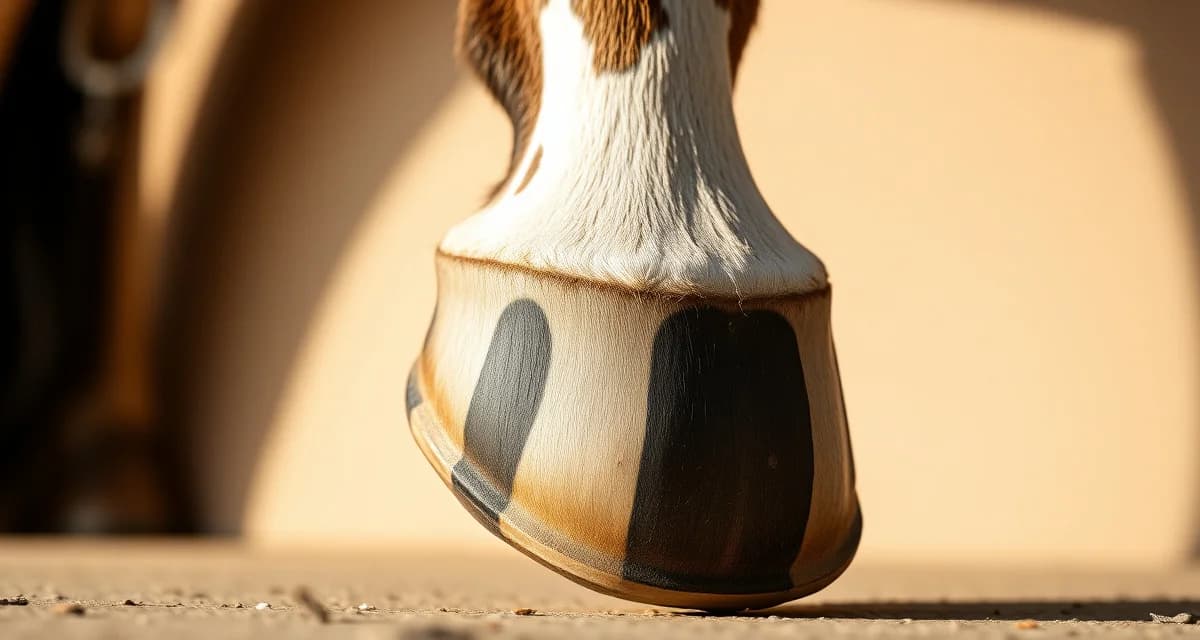
The Appaloosa's striped hoof pattern reflects alternating bands of differently pigmented wall tissue. Research and farrier experience consistently show that:
- Lighter-pigmented areas of the hoof wall tend to be less dense and more prone to cracking than darker areas
- Appaloosas with predominantly white hooves or heavily striped hooves may have more variable wall quality than those with predominantly dark hooves
- The brittleness risk is real but manageable with appropriate care
This doesn't mean Appaloosas can't do endurance - clearly they can and do, finishing at competitive rates. It means that hoof quality management is a higher priority for Appaloosa endurance horses than for Arabians, whose hoof quality is typically very consistent.
Barefoot vs. Shod for Endurance
FarrierIQ hoof integrity tracking monitors Appaloosa hoof crack development during endurance training - capturing the progressive condition that, if caught early, is manageable, and if missed, can become career-threatening.
Many endurance horses compete barefoot or in hoof boots for at least part of their career. For Appaloosas specifically:
Barefoot advantages: Natural hoof wear, reduced risk of shoe loss on technical terrain, hoof boot adaptability for varied surfaces.
Barefoot limitations: Variable hoof quality in Appaloosas can make some individuals unsuitable for barefoot endurance, particularly on rocky or hard-packed trails. White-striped hoof areas may chip and crack under endurance conditions without shoe protection.
Shod advantages: Protection for horses with compromised wall areas, consistent performance across varied footing, no boot management mid-ride.
The right choice depends on the individual horse's hoof quality, the ride terrain, and the owner's management approach. Farriers who work with endurance horses should be comfortable evaluating both barefoot conditioning and shoe-selection decisions.
Endurance Shoe Selection
For Appaloosas that compete shod:
Glue-on shoes: Some Appaloosa endurance horses benefit from glue-on shoes or glue-assisted nailing in areas where white-pigmented wall is too thin or brittle for standard nailing. Glue-on shoes eliminate nail holes through vulnerable wall areas.
Lightweight aluminum: Aluminum shoes reduce weight - important for endurance horses that carry their feet 25 to 100 miles per competition. The weight savings over a 50-mile ride in aluminum versus steel is meaningful for fatigue.
Fit: Endurance shoe fit must accommodate natural hoof expansion under the load and repetition of long-distance work. Fitting too tight restricts the vascular function that cools the hoof during sustained exertion.
Stud holes: Removable studs allow terrain-specific traction management. For multi-day rides across varied terrain, having stud flexibility is practical.
Documenting Hoof Condition
The Appaloosa shoeing guide covers full breed hoof management. For endurance horses specifically, condition documentation before and after rides matters enormously. Ride stress can accelerate crack development - catching a small crack at week two of training beats discovering a significant quarter crack at the vet check.
FarrierIQ's hoof photo documentation creates a visual timeline of crack development, hoof quality changes, and response to management changes. The endurance horses farrier app provides discipline-specific templates for tracking endurance conditioning alongside hoof condition notes.
Frequently Asked Questions
Do Appaloosas need shoes for endurance?
Whether an Appaloosa endurance horse needs shoes depends on the individual horse's hoof quality and the terrain of the rides they compete in. Appaloosas with good hoof density and minimal cracking history may do well barefoot or in hoof boots, particularly on softer or less rocky trails. Appaloosas with the variable hoof density that heavily striped or predominantly white-hoofed horses sometimes exhibit may benefit from shoes - particularly glue-on or glue-assisted shoes in areas where nail holes through brittle white wall would compromise wall integrity. The farrier's assessment of each horse's specific hoof quality is the foundation for this decision.
How do you manage Appaloosa hoof brittleness in endurance?
Appaloosa hoof brittleness is managed through a combination of moisture maintenance, nutrition support, and careful shoeing decisions. Consistent hoof conditioning - penetrating conditioners applied regularly - helps maintain wall moisture and flexibility, reducing brittleness. Biotin supplementation is sometimes recommended to support hoof quality, though effects take months to appear as the supplemented hoof grows out. Shoeing decisions should protect brittle wall areas - nail placement in the strongest, densest sections of the wall; glue-on techniques where wall quality doesn't support reliable nailing. Documenting hoof condition at every visit captures the progression so you can identify what's working.
How often do endurance Appaloosas need shoeing?
Endurance Appaloosas are typically shod every 6 to 8 weeks, similar to other endurance horses. The training and competition schedule drives timing - ride season horses may need slightly shorter intervals during heavy training blocks when hoof wear is higher. Post-season horses in rest and recovery may go the full 8 weeks. For Appaloosas with active crack management underway, shorter intervals (5-6 weeks) allow more frequent assessment and management of crack progression. FarrierIQ's condition tracking captures crack status at each visit, making it easy to assess whether the management approach is working and whether interval adjustment is needed.
Can an Appaloosa compete in 100-mile endurance rides with wall cracking issues?
It depends on the severity and location of the cracking. Superficial wall cracks that don't involve the sensitive laminae and are stable between cycles don't necessarily prevent competition, but they require close monitoring. Cracks that are progressing toward the coronary band or that compromise the nail-holding ability of the wall are a more serious concern for horses doing 50- and 100-mile rides, where shoe retention is critical. A conversation between the farrier, vet, and owner before the ride season is the right approach when active cracking is present.
How does endurance conditioning affect Appaloosa hoof quality over a season?
Consistent endurance conditioning generally improves hoof quality over time through increased blood circulation to the hoof, which supports coronary band production of new wall. However, the cumulative mileage and terrain exposure of a full endurance season can stress already-brittle Appaloosa walls. Farriers who photograph and note wall condition at the start, midpoint, and end of the season can identify whether the horse is improving or degrading, and adjust management accordingly.
Related Articles
- Quarter Horse Shoeing Guide: Managing High-Performance Western Horse Hooves
- Managing Long Heel Syndrome: Trimming and Shoeing for Broken Hoof Angle
Sources
- American Endurance Ride Conference (AERC), ride completion and breed statistics
- Appaloosa Horse Club (ApHC), breed registry and hoof health resources
- American Farrier's Association (AFA), farrier education and corrective shoeing standards
- Kentucky Equine Research, nutrition and hoof quality studies including biotin supplementation
- University of California Davis School of Veterinary Medicine, equine podiatry and hoof wall research
Get Started with FarrierIQ
Managing Appaloosa endurance horses means tracking wall condition across training cycles, documenting crack progression visit to visit, and keeping shoeing intervals tight during peak season. FarrierIQ's hoof photo documentation and per-horse condition notes give you that longitudinal record without adding paperwork to your day. Try FarrierIQ free and see how having every horse's history at your fingertips changes how you manage your endurance clients.