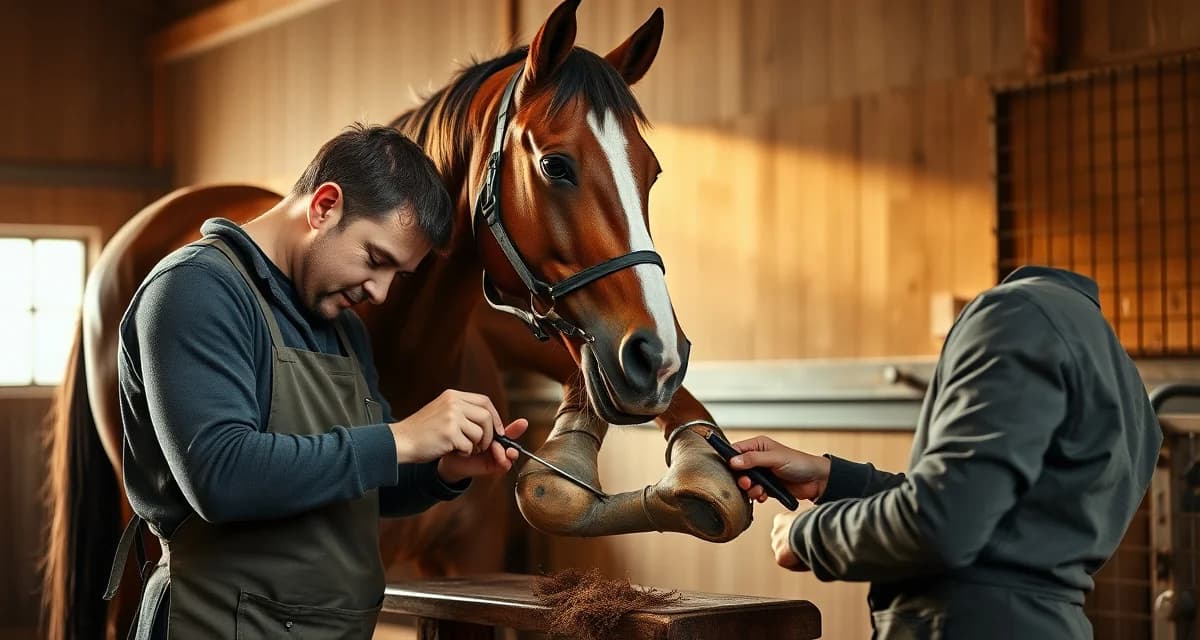
Farrier App for Endurance Horses: Managing Hoof Health Over Long Distances
Fifty miles. A hundred miles. Endurance riding puts demands on a horse's hooves that most disciplines never approach. When a hoof-related issue pulls a horse from competition, months of conditioning go out the window. For farriers who work with endurance horses, getting the details right isn't just good practice. It's what keeps your clients in the sport.
TL;DR
- Hoof-related issues cause 40% of endurance ride pull-outs according to American Endurance Ride Foundation competition data -- making this one of the highest-stakes disciplines for farrier decisions.
- Endurance horses log 50-150 miles per month in training over variable terrain; the hoof condition at a 6-week visit reflects a much heavier workload than a typical pleasure horse at the same interval.
- Aluminum shoes are popular for endurance horses because they're lighter than steel, reducing fatigue over long distances; glue-on shoes eliminate nail holes and reduce lost-shoe risk mid-ride.
- Shod endurance horses typically need 5-7 week cycles; heavy training mileage can compress that to 4-5 weeks. Barefoot horses need trims every 4-6 weeks to maintain balance and wall health.
- Between-visit owner observations (sole bruising, wall chipping, gait changes after rocky sections) are particularly valuable for endurance horses -- the owner portal in FarrierIQ lets riders log these notes without a phone call.
- Scheduling visits backward from ride dates prevents the mistake of a full reset two days before a hundred-miler when the horse needs to be comfortable and settled in their current setup.
The Unique Demands of Endurance Hoof Management
Endurance horses don't compete weekly on a manicured arena surface. They're logging 50, 100, even 150 miles per month in training, over variable terrain. Rock, sand, soft trail, hard pack. The hoof condition changes across a training block in ways you won't catch on a standard 6-8 week schedule unless you're tracking it.
The mileage matters. A horse coming off a heavy training month looks different at the hoof than one who got two weeks of rest. Knowing where the horse is in their conditioning cycle helps you make better decisions about shoe type, timing, and materials.
Hoof Condition Tracking Between Rides
FarrierIQ's hoof health records let you log condition notes per visit and between visits if needed. Your endurance clients can add notes through the owner portal, flagging things like sole bruising after a rocky trail, wall chipping after a long ride, or any gait changes they noticed.
That between-visit visibility is genuinely useful for endurance horses. You might find out a horse has been hitting rocky terrain heavily and decide to move their next appointment up two weeks, before a problem develops rather than after.
Shoe vs. Barefoot Tracking
The endurance community is genuinely divided on barefoot vs. shod, and the right answer varies by horse, terrain, and rider. Some endurance horses do their best work barefoot with regular trims. Others need aluminum shoes for rocky trail systems. Some use hoof boots as a hybrid option.
FarrierIQ captures notes on what each horse is wearing, what's working, and what the plan is for different terrain types. When an endurance rider asks you whether their horse should go barefoot for a specific ride, you can look at the record and have a real conversation grounded in that horse's actual history. The detailed approach to endurance-specific shoeing is also covered in the arabian endurance shoeing guide, which applies broadly beyond Arabians to any endurance horse.
Scheduling App Around the Ride Calendar
Endurance riders plan their seasons well in advance. A qualified ride in April means the horse needs to be in peak condition, including hoof condition, by a specific date. Backing out from that point tells you when the last shoeing needs to happen, and what the trim schedule should look like during conditioning.
FarrierIQ's scheduling tools let you build that forward visibility. You can set up appointments around ride dates and make sure you're not accidentally scheduling a full reset two days before a hundred-miler when the horse needs to be comfortable and settled.
Frequently Asked Questions
How often do endurance horses need shoeing?
This varies considerably by horse and management approach. Shod endurance horses typically follow a 5-7 week cycle, though heavy training mileage can compress that to 4-5 weeks. Barefoot horses still need regular trims, usually every 4-6 weeks, to maintain hoof balance and wall health across the demands of mileage work.
Do endurance horses need special shoes for long-distance rides?
Many do. Aluminum shoes are popular because they're lighter than steel, reducing fatigue over long distances. Some farriers use glue-on shoes to eliminate nail holes and reduce the risk of a lost shoe mid-ride. The specific choice depends on the horse's hoof quality, terrain, and the rider's management philosophy.
How do farriers track hoof health between 50-mile rides?
The most effective approach combines regular visits with owner-reported observations between appointments. Farriers working with serious endurance clients often establish a check-in system where the rider notes anything unusual, particularly sole sensitivity, wall changes, or unusual wear patterns. FarrierIQ's owner portal supports exactly this kind of ongoing communication without requiring a phone call every time.
How does terrain variation across an endurance season affect shoe selection decisions?
An endurance horse competing in the desert Southwest needs different shoe considerations than one doing Pacific Crest rides through rocky forest terrain. Desert footing is typically harder and more abrasive -- aluminum wears faster here, and some riders use steel for desert-heavy seasons. Rocky trail systems put a premium on sole protection and shoe fit integrity. If a horse's season includes rides with dramatically different terrain profiles, documenting what shoe type was used at which ride and how the horse's hooves looked at the post-ride assessment builds per-horse data on what works for each footing type. That history is what makes season-to-season shoe decisions better-informed rather than started fresh each spring.
What should a farrier check at a vet gate call during a multi-day endurance competition?
A vet gate check (when available for multi-day events) should cover: shoe integrity on all four feet, any looseness or shifted shoes, stud hole condition if the horse uses them, sole sensitivity check, any wall damage from footing impacts, and hoof heat or digital pulse changes that might indicate early bruising. The vet at the gate is managing the horse systemically; your contribution is the specific hoof and shoe assessment. Document any findings in FarrierIQ immediately after, noting what was found, what you did (tightened clinches, reset a loose shoe), and what you're monitoring at the finish.
Related Articles
Sources
- American Endurance Ride Conference (AERC), endurance ride pull-out data and hoof care guidelines
- American Farrier's Association (AFA), endurance and long-distance horse shoeing techniques
- The Horse: Your Guide to Equine Health Care, endurance horse hoof management coverage
- American Association of Equine Practitioners (AAEP), competition horse hoof care and lameness resources
- Endurance rider community publications and forum resources, barefoot vs. shod endurance management discussions
Get Started with FarrierIQ
Endurance horse clients need their visit schedule built around ride dates, between-visit owner observations captured systematically, and shoe type documented alongside terrain and ride conditions so you're building per-horse data over seasons rather than starting fresh each year. FarrierIQ's per-horse records, owner portal, and scheduling tools handle all of that. Try FarrierIQ free and manage your endurance clients with the long-view documentation their sport requires.