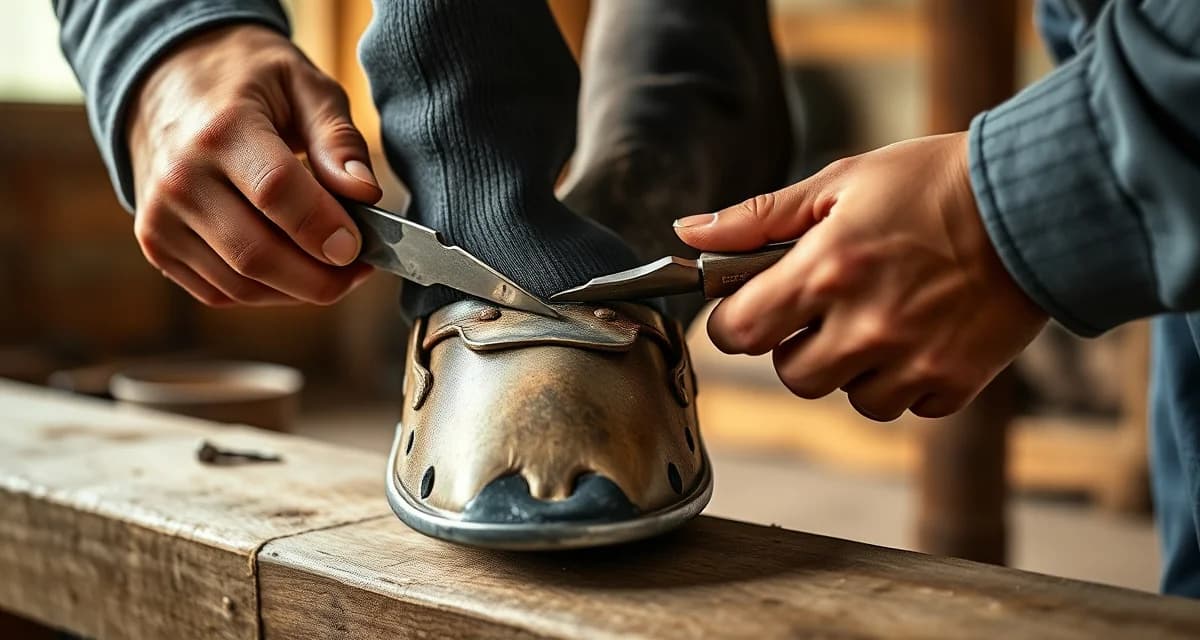
What Is Therapeutic Shoeing? When Horses Need Specialty Hoof Care
Therapeutic shoeing -- also called corrective shoeing -- is a specialized area of farrier work that uses modified shoes, pads, angles, and trimming techniques to address specific hoof or limb conditions. Instead of the goal simply being to protect the hoof and maintain soundness for normal work, therapeutic shoeing aims to actively support healing, reduce pain, or correct abnormal structure.
TL;DR
- Approximately 12% of all farrier visits in the US involve some form of therapeutic or corrective work, making it a significant part of farrier practice.
- The most common conditions requiring therapeutic shoeing are laminitis, navicular syndrome, white line disease, club foot, long toe/low heel syndrome, and contracted heels.
- Therapeutic shoeing typically costs 50 to 150 percent more than standard shoeing due to specialized materials, longer appointment times, and higher skill requirements.
- Horses in active recovery from conditions like laminitis may need farrier visits every 3 to 4 weeks rather than the standard 6 to 8 weeks.
- The best outcomes for serious hoof pathologies come when the vet and farrier communicate directly, share radiographs, and coordinate on treatment intervals.
- Detailed documentation of hoof wall angles, sole depth, and pain response is essential for tracking progress and catching regression early.
- If your regular farrier isn't experienced with a specific therapeutic condition, asking for a referral to a specialty farrier is completely appropriate.
Approximately 12% of all farrier visits in the US involve some form of therapeutic or corrective work. It's not rare, but it does require different knowledge, different materials, and often closer coordination with a veterinarian than routine shoeing.
What Conditions Require Therapeutic Shoeing
Laminitis and founder: This is probably the most common reason a horse needs therapeutic shoeing. In laminitis, the sensitive laminae connecting the hoof wall to the coffin bone become inflamed. In severe cases, the coffin bone rotates or sinks within the hoof capsule. Therapeutic shoeing for laminitis typically involves heart bar shoes or deep-bedded supportive packing that redistributes weight off the toe and onto the frog and heel. The exact approach depends on the degree of rotation and what the treating vet recommends.
Navicular syndrome: Horses with navicular disease (pain associated with the navicular bone and surrounding structures) often benefit from egg bar shoes that extend behind the heel and provide better support for the back of the foot. Breakover modifications -- rounding the toe or adding a rolled toe -- reduce the leverage on the navicular apparatus during movement.
White line disease: Severe white line disease that has compromised significant hoof wall may require a specialized shoe that protects the exposed inner structures while the hoof wall regrows. The approach depends on how much wall has been removed and where.
Club foot (flexural deformity): Horses with mild to moderate flexural deformities can sometimes benefit from corrective trimming and shoeing that encourages the heels to come down over successive shoeing cycles. The approach differs significantly between foals (where the deformity is still developing) and mature horses (where the goal is management rather than correction).
Long toe/low heel syndrome: This extremely common problem benefits from therapeutic trimming and sometimes specialized shoes that adjust the breakover point and support the back of the foot more effectively.
Contracted heels: Heels that have narrowed due to improper shoeing or excessive stall time can gradually be encouraged to expand through specific trimming techniques and sometimes open-heeled shoes.
Who Provides Therapeutic Shoeing
All licensed farriers learn the basics of corrective shoeing, but therapeutic work for serious conditions like laminitis typically requires a farrier with specific experience in that area. If you own a horse dealing with a diagnosed hoof pathology, you want to ask your farrier directly about their experience with that condition.
Veterinarians frequently refer horses to farriers for therapeutic work and sometimes provide specific instructions for the approach. The best outcomes for conditions like laminitis and navicular typically come when the vet and farrier communicate directly about what the horse needs, share radiographs, and coordinate on treatment intervals.
If your regular farrier isn't comfortable with a specific therapeutic case, asking for a referral to a farrier who specializes in that area is completely appropriate. Specialty farriery is a recognized area, and some farriers focus almost entirely on therapeutic cases for veterinary referrals.
How Therapeutic Shoeing Differs From Regular Shoeing
The materials are often different. Therapeutic work frequently involves aluminum or plastic shoes (lighter, easier to modify), pads of various materials (leather, rubber, silicone, polyurethane), impression materials packed between the pad and the sole for support, and custom-modified shoes made for that specific horse.
The frequency is often different too. A horse recovering from acute laminitis may need the farrier every 3 to 4 weeks during the active phase of recovery rather than the standard 6 to 8 weeks. The farrier is monitoring the coffin bone angle on each visit, adjusting the support as the horse's condition changes, and coordinating with the vet on any X-ray updates.
The documentation is more detailed. Notes about hoof wall angle changes, sole depth measurements, and pain response observations need to be recorded precisely so the treatment team can track progress or catch regression early. Farriers who track therapeutic shoeing notes systematically are better able to demonstrate progress over time and communicate with the vet clearly.
What It Costs
Therapeutic shoeing costs more than standard shoeing -- often substantially more. The materials are more expensive, the work takes longer, and the skill level required is higher. Expect to pay 50 to 150 percent more than your standard shoeing cost for therapeutic work, depending on the complexity of the case and what materials are used.
For horses in serious therapeutic cases, the cost comparison that matters isn't therapeutic shoeing versus standard shoeing -- it's therapeutic shoeing versus what happens without it. A well-shod horse with laminitis has a much better chance of returning to soundness than one whose hooves aren't properly supported during recovery. Horse owners managing ongoing therapeutic care costs benefit from clear, itemized records of materials and visit frequency over time.
Frequently Asked Questions
What conditions require therapeutic shoeing?
The most common conditions that require therapeutic shoeing include laminitis and founder, navicular syndrome, white line disease, flexural deformities (club foot), long toe/low heel syndrome, and contracted heels. Less common conditions that may benefit include ring bone, side bones, and hoof wall cracks severe enough to need structural support during regrowth. Your vet is the best first resource for determining whether your horse's condition warrants therapeutic shoeing, and they'll often provide specific instructions to your farrier.
How much does therapeutic shoeing cost?
Therapeutic shoeing typically costs 50 to 150 percent more than standard shoeing for that horse. The exact cost depends on the materials used, the complexity of the case, and how long each appointment takes. Custom aluminum or plastic shoes, pads, and impression materials all add to the cost. Therapeutic cases that require more frequent visits (every 3 to 4 weeks instead of 6 to 8) also increase the annual cost even if each individual visit were the same price. Many horse owners find the cost worthwhile when the alternative is a horse that remains lame or deteriorates without proper hoof support.
How often do horses with therapeutic shoes need to see a farrier?
It depends on the condition and where the horse is in its treatment. During the acute phase of conditions like laminitis, a horse may need attention every 3 to 4 weeks. Once the condition stabilizes and the horse is in a maintenance phase, the interval may extend to 5 to 6 weeks -- still shorter than a healthy horse's standard interval. Your vet and farrier will determine the appropriate schedule based on the horse's response to treatment. Tracking these visits and notes in FarrierIQ helps both professionals stay aligned on the treatment timeline.
Can a horse with therapeutic shoes ever return to standard shoeing?
In many cases, yes. Horses recovering from conditions like white line disease or mild laminitis may eventually transition back to standard shoeing once the hoof has healed and the coffin bone angle has stabilized. The decision is typically made jointly by the vet and farrier based on radiographs and the horse's soundness over several shoeing cycles. Some horses with chronic conditions like navicular syndrome may require modified shoeing indefinitely as a management strategy rather than a temporary treatment.
How do I know if my farrier has enough experience for a therapeutic case?
Ask directly about their experience with the specific condition your horse has been diagnosed with. A qualified farrier should be able to describe the approach they would take, the materials they typically use, and how they coordinate with the treating vet. Membership in organizations like the American Farrier's Association (AFA) or a Certified Journeyman Farrier (CJF) credential indicates a baseline of professional training, though specialty therapeutic experience goes beyond standard certification. If your vet has already diagnosed the condition, they are often the best source for a referral to a farrier experienced with that pathology.
What should I bring to the first therapeutic shoeing appointment?
Bring any radiographs or imaging your vet has already taken, written notes or instructions from your vet if they provided them, and a record of your horse's shoeing history if available. If your vet and farrier haven't already spoken directly, facilitating that conversation before the appointment can significantly improve the outcome. The farrier may also want to observe the horse moving before making any decisions about the approach.
Does therapeutic shoeing require a veterinary prescription or referral?
In most US states, therapeutic shoeing does not legally require a veterinary prescription, but working without veterinary input on serious conditions like laminitis is generally not recommended. For conditions involving diagnosed pathology, the vet's radiographs and clinical assessment directly inform the farrier's approach. Some farriers who specialize in therapeutic work require a veterinary referral before taking on complex cases, both to ensure they have the clinical information they need and to maintain appropriate professional boundaries.
Sources
- American Farrier's Association (AFA) -- industry standards and farrier certification guidelines
- American Association of Equine Practitioners (AAEP) -- clinical guidelines for laminitis, navicular syndrome, and hoof care
- University of California Davis School of Veterinary Medicine, Center for Equine Health -- research on laminitis treatment and hoof pathology
- The Horse: Your Guide to Equine Health Care (publication) -- farrier and veterinary collaboration in therapeutic cases
- Equine Lameness for the Layman, published resources from the Rood & Riddle Equine Hospital -- therapeutic shoeing protocols and case documentation
Get Started with FarrierIQ
If you handle therapeutic cases in your farrier practice, FarrierIQ gives you a dedicated place to record hoof wall angles, sole depth measurements, material choices, and visit notes for every horse -- so you and the treating vet are always working from the same information. Try FarrierIQ free and see how much easier it is to manage complex cases, coordinate with veterinary teams, and demonstrate measurable progress to horse owners over time.