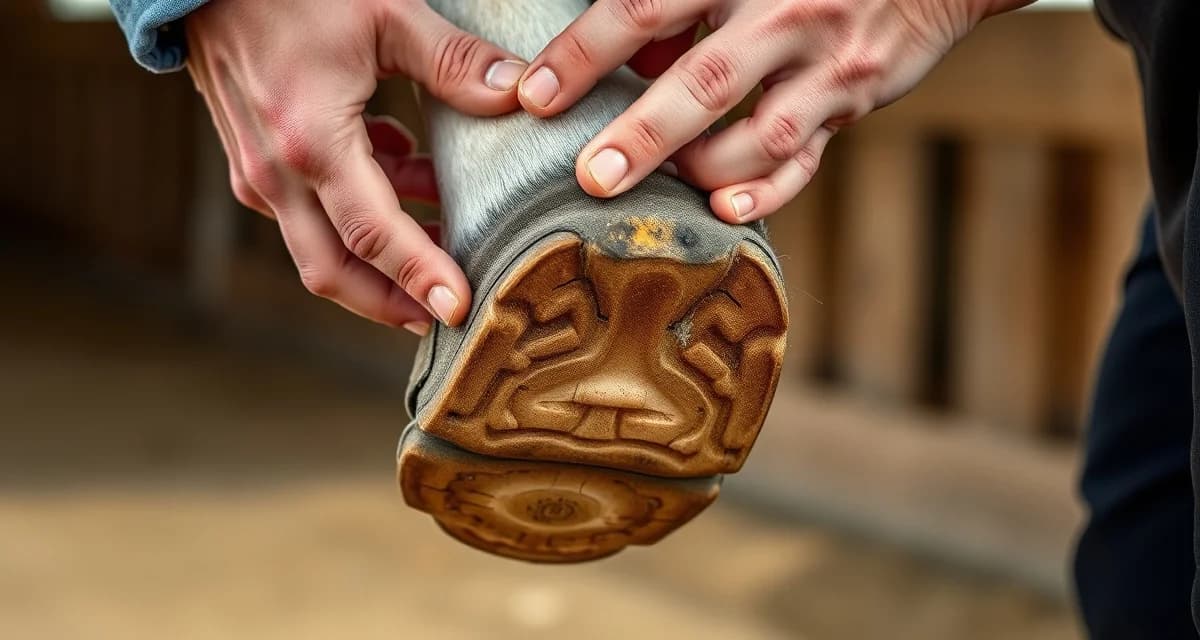
Thoroughbred Shoeing Guide: Hoof Care for Racing and Sport Horses
Thoroughbreds have the thinnest hoof walls of any breed - with 60% higher breakage risk compared to most light breeds. The breed was developed for speed, not for foot quality. Centuries of selection for cardiovascular efficiency and long stride left the Thoroughbred with a hoof that demands more careful attention than the breed's talent level sometimes leads owners to expect.
TL;DR
- Thoroughbreds have 60% higher hoof wall breakage risk than most light breeds, making nail placement precision and cycle management more critical than with other horses.
- Active racehorses and sport horses need shoeing every 4-6 weeks; retired or lightly worked TBs can extend to 6-7 weeks, but going beyond 7 weeks in work risks lost shoes and balance problems.
- Aluminum racing plates reduce weight for performance, while rim shoes provide traction on grass and arena surfaces without studs - shoe choice depends on discipline and workload.
- The five most common Thoroughbred hoof problems are white line disease, quarter cracks, thin sole sensitivity, hoof wall delamination, and contracted heels, and they are often interconnected.
- Trainers, veterinarians, and owners in the Thoroughbred world expect professional documentation - recording shoe type, nail pattern, wall damage progression, and vet instructions at every visit protects both the horse and your professional reputation.
If you're adding Thoroughbreds to your book, or you're already shoeing them and want to tighten your approach, this guide covers the cycle, shoe choices, condition flags, and record-keeping that matters for these horses.
Thoroughbred Hoof Anatomy: What You're Working With
Thoroughbreds typically have:
Thin hoof walls: Less wall thickness means less structural material to nail into. Nail placement precision is critical - wrong angle or depth and you're in the white line, at risk of a close nail or prick.
Upright pasterns and relatively small feet for their body weight: Concentration of force per unit of hoof contact area is higher than in heavier-footed breeds. This increases concussion-related issues.
Sensitive soles: Thin soles are a common Thoroughbred complaint. Many off-the-track Thoroughbreds and sport horse TBs benefit from pads for sole sensitivity if they're showing signs of sole sensitivity.
Fast growth rate in active work: Racing and sport TBs in regular training can grow hoof quickly during the active season. Cycle intervals of 4-5 weeks are common for horses in heavy work.
Recommended Shoeing Cycle for Thoroughbreds
For racehorses and sport horses in active training: 4-6 weeks
For retired Thoroughbreds and those in light work: 6-7 weeks
Going beyond 7 weeks on a Thoroughbred in work puts you at elevated risk of lost shoes, chipped walls, and balance issues that affect gait. Track each horse's individual growth rate in FarrierIQ - some TBs grow fast enough to need 4-week resets during summer, while the same horse might comfortably extend to 6 weeks during a winter light-work period.
Shoe Selection for Thoroughbreds
Steel: Standard steel is appropriate for most TB sport horses in regular work. The weight and durability of steel suits horses doing significant mileage and impact work.
Aluminum: Racing plates are aluminum for weight reduction. TBs in eventing and show jumping often use aluminum to reduce fatigue on long jump courses. Aluminum wears faster than steel - appropriate cycle management matters more.
Rim shoes: Many TBs benefit from rim shoes (concave on the ground surface) for traction on grass and arena surfaces without studs.
Pads: If sole sensitivity is present, plain pads or silicone pour-in pads provide relief. Useful for OTTBs transitioning to a new workload and for horses with chronic thin-sole issues.
Glue-on shoes: For TBs with severe wall damage where nailing is compromised, glue-on shoe applications can maintain protection while the wall grows back.
Health Flags to Watch in Thoroughbreds
White line separation: Particularly common in TBs. Early white line disease can be invisible to the eye - watch for any gray or powdery areas when cleaning the foot. Document the extent at each visit. FarrierIQ's AI will flag if white line condition is worsening across visits.
Quarter cracks: Thin-walled TBs are prone to stress fractures in the quarter. Catch them early. Small cracks can often be managed with proper shoe fit and balance; larger cracks may need crack repair techniques.
Hoof wall delamination: Separation between layers of the hoof wall, often at the toe. Common after excessive wet-dry cycles or nutritional stress.
Heel contraction: TBs with upright conformation are at risk for contracted heels, particularly if shod with shoes that support the wall but restrict the frog. Keep frog contact in mind when fitting.
Thrush: TBs in barn environments (stalls, arena footing) are thrush-prone. Flag recurring thrush patterns in FarrierIQ, especially if the same barn produces multiple cases.
Documenting Thoroughbred Visits in FarrierIQ
For TBs - especially those in active competition or rehabilitation - documentation matters more than with most horses. Trainers, veterinarians, and owners in the Thoroughbred world expect professional records.
Use FarrierIQ to record:
- Shoe type and weight (matters in racing and event applications)
- Exact nail pattern (especially important for TB walls where every nail hole counts)
- Any wall damage observed and its progression
- Sole condition and thickness assessment
- Any special applications (pads, pour-in, crack repair materials)
- Vet instructions being followed
The horse owner portal in FarrierIQ lets trainers and owners check records directly - particularly valuable at racing and sport horse operations where multiple people are invested in the horse's hoof status.
Related Articles
FAQ
How often should a Thoroughbred be shod?
Thoroughbreds in active training - racing, eventing, show jumping - typically need shoeing every 4-6 weeks. The breed's thin hoof walls chip and break faster than heavier-walled breeds, and the shoe migrates out of ideal balance more quickly on a horse in regular work. Retired or lightly worked TBs can often extend to 6-7 weeks. Track each horse's individual growth rate in FarrierIQ - seasonal variation is common, with faster growth in summer often requiring tighter intervals.
What type of shoes do Thoroughbreds wear?
Racehorses wear aluminum racing plates for weight reduction. Thoroughbreds in sport horse disciplines (eventing, show jumping, dressage) typically wear steel or aluminum shoes depending on the demands of their work and the preference of the farrier and trainer. Rim shoes are common for traction. Pads - plain, wedge, or silicone fill - are frequently used for TBs with thin soles or sole sensitivity. Glue-on applications are available for horses whose wall quality won't support nailing.
What hoof problems are most common in Thoroughbreds?
The most common Thoroughbred hoof issues are white line disease (particularly in barn environments), quarter cracks from wall stress, thin sole sensitivity, hoof wall delamination, and contracted heels. These issues are often interconnected - a horse with thin walls is more prone to cracks, and contracted heels can result from shoe choices that don't support frog contact. Regular 4-6 week cycles, careful condition documentation, and FarrierIQ's AI health flagging help catch these issues before they become significant lameness events.
Can off-the-track Thoroughbreds (OTTBs) be shod the same way as sport horses?
OTTBs often need a transition period before their feet respond the same way as a horse that has been in consistent sport horse work. Many OTTBs arrive with thin, worn soles from racing plates and may need pads, pour-in silicone, or a period of reduced work while the hoof wall and sole rebuild. Their cycle frequency may need to stay at 4-5 weeks during the first year of transition. Documenting baseline hoof condition at the first visit and tracking changes across visits is especially useful for these horses.
How does nutrition affect Thoroughbred hoof quality?
Hoof wall quality in Thoroughbreds is closely tied to biotin, methionine, and zinc levels in the diet. Horses with chronic delamination or slow wall growth may benefit from a farrier-veterinarian conversation about supplementation. Nutritional stress - including rapid weight loss or dietary changes - can produce visible growth rings in the hoof wall and temporarily weaken wall integrity. Noting these rings and their timing in your visit records can help connect hoof changes to management events.
How do you manage quarter cracks in a Thoroughbred that needs to stay in work?
Small quarter cracks in a horse that must remain in training are typically managed with a combination of proper balance correction, shoe fit that reduces stress at the crack site, and sometimes a crack repair patch using acrylic or fiberglass materials. The crack should be monitored at every visit for any upward migration or widening. Horses with active, migrating cracks generally need veterinary evaluation before continuing in competition. Documenting crack length and position with photos at each visit gives you and the vet a clear record of progression or stability.
Sources
- American Farriers Journal, Lessiter Media
- American Association of Equine Practitioners (AAEP), Hoof Care and Lameness Resources
- University of California Davis School of Veterinary Medicine, Equine Health and Lameness Program
- The Jockey Club, Thoroughbred Breed Registry and Racing Research Publications
- Kentucky Equine Research, Nutrition and Hoof Health Publications
Get Started with FarrierIQ
Thoroughbreds demand tighter cycles, more precise documentation, and faster communication with trainers and vets than most horses in your book. FarrierIQ gives you the tools to track individual growth rates, flag worsening hoof conditions across visits, and share records directly with the owners and trainers who need them. Try FarrierIQ free and see how it fits into your Thoroughbred work.