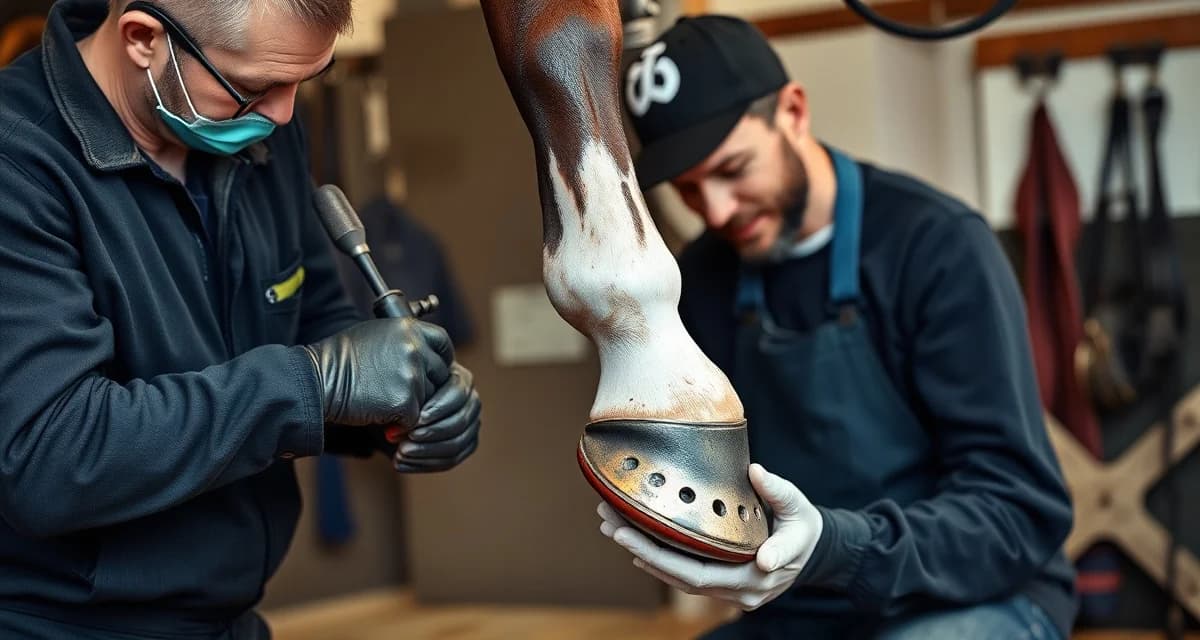
Thoroughbred Farrier Care: Precision Scheduling for Racing and Training
Thoroughbreds in active training require farrier visits every 4-6 weeks, about 25% more frequently than pleasure horses. That compressed schedule is a product of what these horses do and what the racing environment asks of their feet. Track surfaces, training intensity, and the physical demands of racing combine to make Thoroughbred hoof care one of the most precision-dependent aspects of a racing operation.
TL;DR
- Active racing Thoroughbreds need farrier visits every 4-6 weeks, roughly 25% more often than pleasure horses, with timing calibrated around training works and race dates rather than fixed calendar intervals.
- Thoroughbreds have thinner hoof walls than most breeds, making precise nail placement critical and low heels a persistent management challenge tied to navicular and deep digital flexor tendon stress.
- Racing plates are aluminum and weigh just 4-6 ounces, compared to 12-16 ounces for standard steel shoes, with traction configurations varying by track surface (dirt, synthetic, or turf).
- Therapeutic shoeing, including egg bar shoes, pads, and raised-heel applications, is common in racing populations and requires close coordination with track and private practice veterinarians.
- More than 10,000 OTTBs are rehomed annually, and the transition from racing plates to discipline-appropriate steel shoes typically unfolds over several visits as hoof angles and heel height are gradually corrected.
- The ideal farrier visit window before a major work or race is 7-10 days out, giving the hoof time to settle while keeping the shoe fresh for peak performance.
Whether you're working at a training center in Kentucky, a regional track in the Mid-Atlantic, or a private farm with a few horses in training, understanding the specific demands of Thoroughbred farrier care makes you more effective and positions you as an essential part of the operation.
The Thoroughbred Hoof: Built for Speed, Not Longevity
Thoroughbreds were bred for one thing over centuries: speed. That optimization produced a horse with a lean, light build and relatively thin hoof walls compared to heavier breeds. The hoof wall that needs to hold nails and support a 1,100-pound horse is narrower and less forgiving than what you'd find on a Quarter Horse or a Warmblood.
This thin-wall characteristic is one of the primary challenges in Thoroughbred farrier work. Nail placement has to be precise. Going too far into the white line risks quicking the horse. Going too far out toward the wall edge leaves nails in weaker material that may not hold well through the stresses of track work.
Low heels are another common characteristic of Thoroughbreds, particularly those who have been racing or training for extended periods on track surfaces. Heels can run down and forward under the load of training, creating a broken-back hoof-pastern alignment that stresses the navicular area and the deep digital flexor tendon. Addressing heel height and alignment is often the most important corrective work in Thoroughbred care.
Racing Shoes: Aluminum Plates and Specialized Equipment
Racing plates are nothing like the steel keg shoes used on pleasure horses. They're aluminum, light, and designed to add minimal weight to the end of the limb. A typical racing plate weighs 4-6 ounces, compared to 12-16 ounces for a standard steel shoe.
The light weight matters for two reasons. First, every ounce at the end of the limb requires more muscular effort to swing through the stride. A heavier shoe genuinely slows a horse at speed. Second, the energy impact of a steel shoe hitting a track surface repeatedly is more jarring than the softer landing of aluminum. Over the course of a race or a training work, that difference accumulates.
Different racing surfaces call for different plate configurations. Dirt tracks, synthetic tracks like Polytrack or Tapeta, and turf courses all have different footing characteristics that affect traction needs. Most dirt track racing uses a standard aluminum plate with calks or stickers for grip. Turf racing uses a different traction configuration, often with small stickers at different positions.
The transition from training to competition shoe changes within a training cycle is something FarrierIQ's hoof health records capture per horse. Knowing exactly what each horse ran in for their last work, what they're wearing going into the race, and what the track surface will be that day is the kind of detail that premium racing operations expect from their farriers.
Scheduling Around the Training Calendar
The racing and training calendar is not a fixed, regular schedule. It's dynamic and often unpredictable. A horse might be pointed at a race 30 days out and then get scratched due to a minor issue. A horse recovering from a setback might have a compressed timeline to get back to peak fitness. The farrier has to fit into this calendar flexibly while still maintaining the horse's hoof health.
Most racing Thoroughbreds in active training are seen every 4-6 weeks, but the specific timing of each visit is calibrated around the training schedule. A horse doing a major work can't be shod two days before the breeze. The typical window is a visit 7-10 days before a major work or race, giving the hoof time to settle but keeping the shoe fresh.
FarrierIQ's scheduling app handles the dynamic nature of racing schedules. You can flag specific horses with upcoming race dates, build visit windows around those dates, and adjust when the training schedule changes without losing track of the horse's interval. The scheduling software keeps the full picture organized.
Therapeutic Work in Thoroughbred Programs
Racing puts enormous stress on horses' legs and feet. Shin bucks, sore heels, navicular-related issues, and various soft tissue problems are all common in training populations. The farrier's role in managing these conditions is notable.
Remedial and therapeutic shoeing in a racing context might include:
- Egg bar shoes or wide-web shoes for heel support in horses with navicular concerns
- Pads for sole protection on horses with thin or sensitive soles
- Raised-heel shoes to reduce deep digital flexor tendon tension in horses with active tendon issues
- Bar shoes for horses with hoof cracks or compromised wall integrity
These therapeutic applications require veterinarian collaboration. The best racing farriers have established relationships with track vets and private practice veterinarians who work with them on complex cases. FarrierIQ's records can include vet notes and treatment protocols so the therapeutic shoeing history is organized and accessible.
The OTTB Transition: From Track to Second Career
A notable portion of Thoroughbred farrier work today involves horses transitioning out of racing. More than 10,000 OTTBs are retromed annually in Thoroughbred aftercare programs, and many more transition directly to new owners without going through an official program.
The OTTB arriving from the track is shod for racing, not for their new life. The transition to pleasure, trail, dressage, or any other second career involves reshoeing for different demands, often over several visits as the horse's hoof adapts.
Common changes in the OTTB transition:
- Switching from aluminum plates to steel shoes for durability in new work
- Adjusting heel angles from the often low-heeled racing setup toward what's appropriate for the new discipline
- Addressing any conditioning the hoof needs after years of track management
- Working with the new owner to establish appropriate intervals for the horse's new workload
OTTBs going into dressage, for example, need the breakover and angle considerations appropriate for collection, not for forward racing speed. The transition is gradual and documented in FarrierIQ's records, building a picture of the horse's progress from race horse to sport horse.
Track vs. Farm: Where You Work Matters
Thoroughbred farrier work happens in two distinct environments. Training centers and racetracks have their own culture and logistics. You may be doing multiple horses at a big barn in a condensed timeframe. Private farms are typically more relaxed, with individual attention to each horse.
At a busy training center, efficiency and organization matter enormously. You're not spending 20 minutes looking up a horse's record or figuring out what was on last time. You have the information at your fingertips and you work through the barn efficiently. FarrierIQ's mobile interface is designed for exactly this kind of rapid-access workflow.
Building a Thoroughbred Client Base
Thoroughbred operations are concentrated geographically. Kentucky, Florida, New York, Maryland, and California have the largest populations of racehorses and training operations. But regional tracks and training farms exist across the country.
Getting into a Thoroughbred operation often comes through the veterinarian network or through established connections at a track. Once you're in, your reliability and technical skill speak for themselves. The operations that matter are run by people who pay close attention to their horses and know the difference between a farrier who understands racing-specific farrier techniques and one who doesn't.
Frequently Asked Questions
How often should a Thoroughbred racehorse see a farrier?
Active racing Thoroughbreds typically need farrier visits every 4-6 weeks, though the specific timing is calibrated around training schedules and race dates rather than purely by calendar interval. A horse in a compressed training cycle may need attention closer to 4 weeks, while a horse on a slower preparation may stretch to 6 weeks.
What type of shoes do Thoroughbred racehorses use?
Most racing Thoroughbreds wear aluminum plates for their combination of lightness and appropriate traction on dirt, synthetic, or turf surfaces. Different traction configurations, including calks, stickers, and combinations thereof, are used based on surface type and individual horse needs. Training shoes between races may be slightly heavier steel for durability, with aluminum plates reserved for competition.
How do I schedule farrier visits around a Thoroughbred training program?
The most reliable approach is working backwards from the horse's target race or major work date. A visit 7-10 days before a notable event allows the hoof to settle while keeping the shoe fresh. Building this calendar awareness into your scheduling, with the ability to adjust when training plans change, is where FarrierIQ's sport horse scheduling tools add real value.
How does track surface type affect the farrier's decisions for a racing Thoroughbred?
Track surface directly influences traction hardware selection and sometimes shoe weight and width. Dirt tracks typically call for calks or stickers at the heel for grip, while turf courses require a different sticker configuration to handle the give of grass footing without tearing it up. Synthetic surfaces like Polytrack and Tapeta have their own traction characteristics, and some farriers use a lighter calk setup or none at all depending on the horse's way of going. Getting this wrong can affect both performance and soundness.
What are the biggest hoof health risks for a Thoroughbred in heavy training?
The most common issues are heel collapse from repeated concussion on hard track surfaces, thin sole bruising, and hoof wall integrity problems from frequent nailing cycles over a long racing career. Horses in heavy training also face elevated risk of quarter cracks, particularly if they have any asymmetry in their landing pattern. Consistent farrier intervals and good documentation of changes in hoof condition over time are the most practical tools for catching these problems early.
Can FarrierIQ track multiple horses across different barns at the same track?
Yes. FarrierIQ is built to handle multi-client, multi-location workflows, which is exactly the situation a farrier working across several barns at a training center faces. Each horse's record, shoe history, and upcoming schedule is accessible from the mobile app, so you can move from barn to barn without losing track of where each horse is in their cycle or what they were wearing last time.
How long does it typically take for an OTTB's hooves to fully adapt after leaving the track?
The timeline varies depending on how long the horse raced, the condition of the hooves at retirement, and what discipline they're moving into. Most farriers working with OTTBs expect a transition period of six months to a year before the hoof is fully adapted to new demands. Heel angles and wall thickness often improve noticeably within the first two or three shoeing cycles, but full adaptation, particularly in horses with significant low-heel or thin-wall issues, takes longer and benefits from consistent documentation across visits.
Sources
- American Association of Equine Practitioners (AAEP), Farriery and Hoof Care Guidelines
- Jockey Club, Thoroughbred Racing and Breeding Statistics
- University of Kentucky Gluck Equine Research Center, Equine Biomechanics and Hoof Research
- Thoroughbred Aftercare Alliance, OTTB Rehoming and Transition Program Data
- American Farrier's Association (AFA), Sport Horse and Racing Farriery Resources
Get Started with FarrierIQ
Managing Thoroughbred clients means juggling race calendars, training works, therapeutic protocols, and shoe changes that can shift week to week. FarrierIQ gives you a single place to track every horse's interval, record what they're wearing, and build your schedule around the dates that matter to your clients. Try FarrierIQ free and see how much easier it is to stay organized across a racing or OTTB-focused practice.