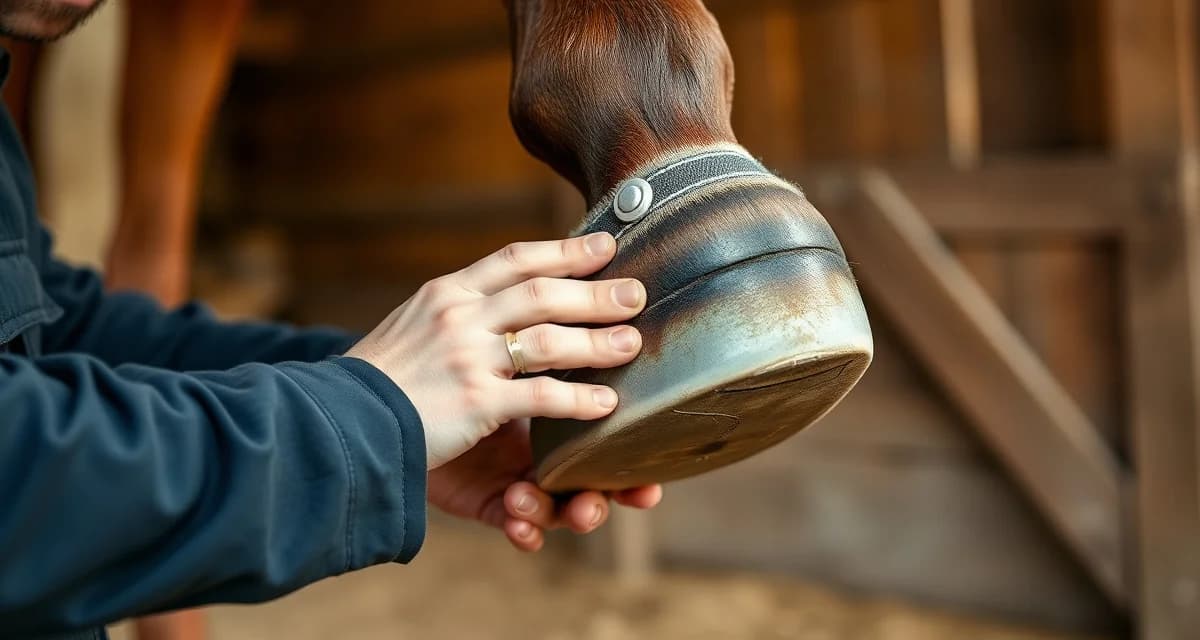
Thoroughbred Dressage Shoeing Guide: Protecting Fragile Feet in High-Collection Work
OTTBs represent 35% of adult amateur dressage horses in the United States according to USDF demographic data. That's a notable portion of the dressage market, and it means a lot of farriers are working with horses that came off the track with thin walls, low heels, and shoeing histories built around racing rather than collection.
TL;DR
- OTTBs make up 35% of adult amateur dressage horses in the U.S., making OTTB-specific shoeing knowledge essential for farriers serving the dressage market.
- Thin hoof walls from racing history make nail placement critical - every nail must be precisely positioned to avoid cascading wall damage.
- Slightly elevated heels and a moved-back breakover point are the two most common adjustments farriers make when transitioning OTTBs to collection work.
- Glue-on shoes are a practical option for OTTBs with particularly fragile walls, allowing the wall to recover over several growth cycles without nail stress.
- OTTBs in active dressage training typically need farrier visits every 5-6 weeks, with some horses requiring attention as early as 4-5 weeks during intensive collection training.
The OTTB in dressage is a different patient than a purpose-bred Warmblood. The approach to shoeing them needs to account for that.
Why Thoroughbreds Are Different in Dressage
Racing Thoroughbreds are shod for forward speed. The shoeing priorities are light, low-profile, and geared toward a horse that travels in a flat, extended frame. Dressage is the opposite. Collection demands engagement through the hind end, elevation through the shoulders, and a bodyframe that concentrates forces differently on the hoof.
Thin-walled Thoroughbreds transitioning to dressage often struggle with nail placement. There's less wall to work with, which means every nail needs to be precisely placed. Pulling a shoe too quickly or leaving nails in weak wall creates problems that cascade. The horse gets uncomfortable, the owner gets frustrated, and you're working on a hoof that keeps getting more difficult.
Heel Angles and Breakover for Collection
Dressage collection requires that the horse break over cleanly and engage the hind end. For a Thoroughbred with naturally low heels and a laid-back coffin bone angle, achieving the correct breakover for collection is a real challenge.
Many dressage farriers working with OTTBs use a slightly elevated heel, either through shoe selection or via a pad, to help the horse find a more upright angle suited to collection. The breakover point, where the toe of the shoe ends, is critical. Too far forward and the horse has to work harder to lift the hind legs. Properly placed, the breakover supports the elevated movement dressage demands.
FarrierIQ's hoof health records let you document the specific angle changes and shoe choices you make for each OTTB dressage horse. When the trainer notices the horse moving better after an adjustment, that goes into the record so you can replicate it next time.
Shoe Selection for OTTB Dressage
Dressage doesn't generally require aggressive traction, which works in your favor with a thin-walled TB. A lighter shoe is better for these horses. Many farriers use a lighter keg shoe or a handmade shoe sized carefully to the foot rather than forcing a standard size.
Glue-on shoes are worth considering for OTTBs with particularly fragile walls. Eliminating the nail stress entirely allows the wall to grow in healthier condition over several cycles, and the glue-on shoe application holds well enough for dressage work.
Scheduling for the Training Cycle
OTTBs in active dressage training typically need visits every 5-6 weeks. The work is demanding, especially during collection training, and the thin-walled Thoroughbred doesn't have much margin for letting a shoe go past due. Coordinating with the dressage trainer's competition schedule helps ensure the horse is always shod at the right point in the training cycle.
FarrierIQ's scheduling app keeps your OTTB dressage clients on that tighter interval with automated reminders. The trainer and owner get a notification before the appointment so there's no last-minute scramble to fit in a visit the week before a show.
Frequently Asked Questions
How are OTTBs shod differently for dressage than racehorses?
Racing shoes are minimal and geared toward forward speed. Dressage shoeing focuses on heel angle, breakover placement, and foot balance that supports collection. OTTBs transitioning to dressage often need the heel raised slightly and the breakover moved back to help them engage the hind end in collected work. Nail placement is also more deliberate given the thinner walls typical of Thoroughbreds.
What hoof challenges do Thoroughbreds face in dressage collection work?
Thin hoof walls make nail placement challenging and increase the risk of wall damage at each shoeing. Low heels and laid-back coffin bone angles can make the breakover point less suited to collection without adjustment. Some OTTBs also have contracted heels from years of racing shoeing, which needs to be addressed gradually through trimming strategy.
How often do OTTB dressage horses need shoeing?
Most OTTBs in active dressage work need visits every 5-6 weeks. During heavy training periods, particularly when collection work is intensive, some horses may need attention at the 4-5 week mark. The thin walls typical of Thoroughbreds mean less margin to let a cycle run long.
Can contracted heels from racing be corrected once a horse moves into dressage work?
Yes, but it takes time and a deliberate trimming strategy. Gradually widening the heels through careful trimming over multiple cycles, combined with allowing the horse to move on appropriate footing, can improve heel width. Rushing the correction risks soreness and setbacks, so most farriers working with OTTBs approach contracted heels incrementally across six months or more.
Should the veterinarian be involved in the shoeing plan for an OTTB transitioning to dressage?
In most cases, yes. A veterinarian familiar with the horse's racing history can provide radiographs that show the coffin bone angle and any existing changes to the hoof structure. That information helps the farrier make more precise decisions about heel elevation and breakover placement rather than working from external observation alone.
How do you communicate shoeing changes to a dressage trainer who may not have a farrier background?
Clear, consistent documentation is the most practical approach. Noting the specific angle adjustments, shoe type, and breakover position at each visit gives the trainer a reference point when evaluating the horse's movement. Keeping those farrier visit notes in a shared record means the trainer can connect what they see in the arena to what changed at the last appointment.
Sources
- United States Dressage Federation (USDF), demographic and membership research
- American Farriers Journal, farrier education and trade publication
- University of California Davis School of Veterinary Medicine, equine podiatry and hoof biomechanics research
- American Association of Equine Practitioners (AAEP), hoof care and lameness guidelines
- Thoroughbred Aftercare Alliance, OTTB transition and welfare resources
Get Started with FarrierIQ
Managing OTTB dressage clients means tracking angle adjustments, shoe changes, and tighter-than-average scheduling intervals across horses that each have their own hoof history. FarrierIQ keeps those records organized and your appointment reminders running automatically, so nothing falls through the cracks between a 5-week cycle and a show date. Try FarrierIQ free and see how it fits the way you already work.