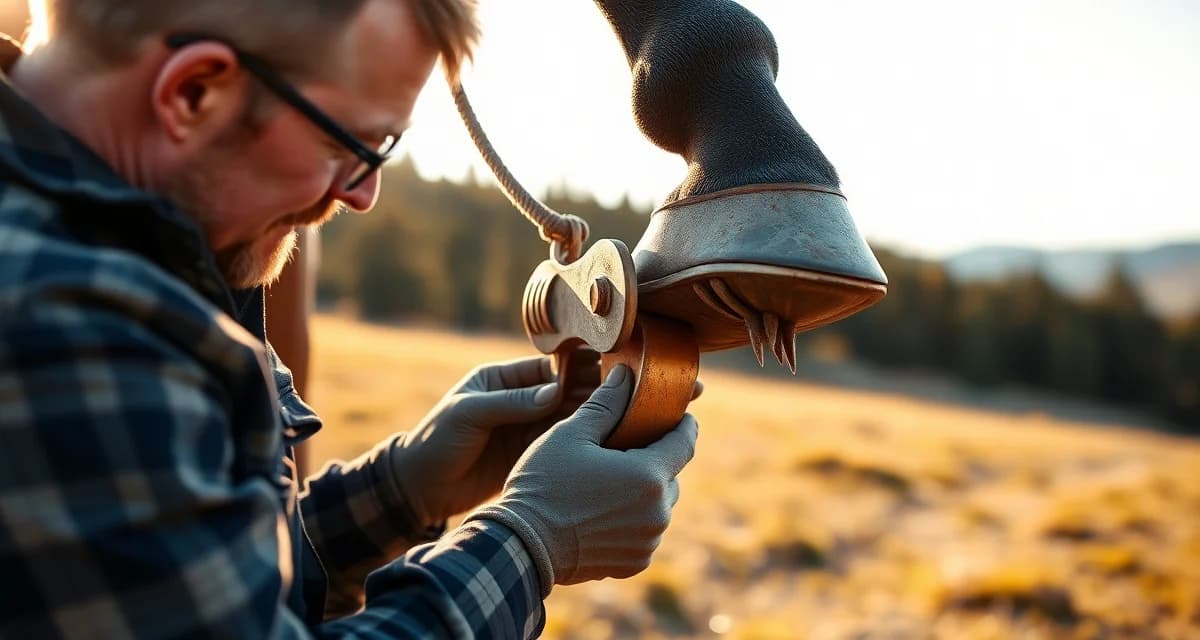
Tennessee Walker Trail Riding Shoeing Guide: Natural Gait on the Trail
Natural-shod Tennessee Walkers are the most comfortable trail horses on uneven terrain. The TWH's flat walk and running walk - the breed's defining gaits - create a smooth, four-beat rhythm that carries riders over miles of trail without the jarring trot that leaves passengers sore. For trail riders, this smooth gait is the point. Shoeing the trail TWH correctly means keeping that gait smooth, natural, and comfortable across varied terrain, without the heavy weighted shoes and pads of the show ring.
TL;DR
- Trail TWHs wear standard flat steel shoes or go barefoot - no pads, stacks, or action devices used in show ring setups
- Lightweight or aluminum shoes reduce fatigue on long trail days of 15-20 miles, where accumulated shoe weight matters
- Traction additions like small calks or borium at the heels are practical for horses regularly encountering wet rock or muddy trail sections
- Gait inconsistency (breaking into a trot) can be traced to hoof-pastern axis, break-over, or medial-lateral balance issues - all worth documenting in shoeing notes
- Show TWH shoeing uses 4-6 inches of stacked pads and weighted chains; trail TWH shoeing is a fundamentally different discipline requiring a separate knowledge set
- Barefoot trail TWHs with good natural hoof quality can perform well, with hoof boots as an option for rocky sections
Trail TWH vs. Show TWH: A Different Goal
If you're used to shoeing show TWHs - Big Lick horses with stacks, pads, and action devices - trail horse shoeing will feel like a completely different discipline. It is.
Trail TWHs are shod for:
- Natural gait expression without augmentation
- Terrain versatility (grass, gravel, rock, mud)
- Long-term soundness and comfort
- Barefoot consideration where appropriate
FarrierIQ trail notes capture TWH shoeing differences between show and trail configurations - a distinction that matters when you're serving both types of TWH clients.
The Natural Trail Shoe
Most trail-ridden Tennessee Walkers wear standard flat steel shoes or are kept barefoot. The principles:
Standard flat shoes: A flat keg shoe fitted to the hoof with appropriate break-over, correct angle, and appropriate heel support. No pads, no action devices, no toe extensions beyond what balance requires. The goal is the horse's most natural, comfortable expression of the flat walk and running walk on trail terrain.
Shoe weight: Lightweight shoes or aluminum are sometimes used for trail horses. Lighter shoes reduce fatigue on long trail days - if your TWH does 15-20 mile trail rides regularly, shoe weight matters over accumulated miles.
Traction: Trail terrain varies. Gravel, wet rock, and muddy trail sections all create different traction demands. Many trail TWH owners add small traction modifications - a slightly fuller groove, small calks, or borium at the heels - for horses that regularly encounter wet or rocky trail conditions. Understanding hoof traction options for varied terrain helps when advising clients on the right setup for their local trails.
Barefoot: Well-conditioned TWH feet on appropriate terrain often don't need shoes. The natural flat walk creates relatively even wear on the hoof, and TWHs with good natural hoof quality may do excellent trail work barefoot or in hoof boots for rocky sections.
Managing the Trail TWH's Gait
A trail TWH that breaks its running walk into a trot is failing at its primary job. The gait can be affected by shoeing - angle, break-over, and shoe weight all influence the horse's rhythm.
If a trail TWH is inconsistent in its gait, evaluate:
- Hoof-pastern axis: a broken-back axis can make the running walk harder to maintain
- Break-over: a square, flat break-over may be contributing to trot tendency
- Balance: medial-lateral imbalance affects gait rhythm
Document what you find and any changes you make in FarrierIQ's notes. Gait changes that correlate with shoeing changes are worth capturing - this information helps the owner and trainer identify what's working. Keeping detailed farrier hoof records for gaited horses over multiple shoeing cycles makes it easier to spot patterns and adjust accordingly.
The Tennessee Walker Shoeing Guide Connection
For horses that cross between trail and light show work, the difference in setup should be documented clearly. See the Tennessee Walker shoeing guide for full breed management. For trail-specific documentation, the trail horses farrier app provides templates for the natural gait work that trail TWH owners value.
Frequently Asked Questions
What shoes do trail riding Tennessee Walkers wear?
Trail riding Tennessee Walkers typically wear standard flat steel shoes - plain keg shoes without pads, extensions, or action devices. The shoe is fitted for natural hoof balance and comfortable gait expression. Some trail horses wear aluminum shoes for reduced weight, which is meaningful over long trail days. Traction additions (small calks, borium at heels) are used for horses regularly encountering wet rock or slippery trail conditions. Well-conditioned barefoot Tennessee Walkers on appropriate terrain often need no shoes at all. The contrast with show TWH shoeing - which uses heavy stacks and pads to create artificial action - is significant. Trail TWH shoeing keeps everything natural and functional.
Is there a difference between show and trail TWH shoeing?
Yes, fundamentally. Show TWH shoeing - particularly for the Big Lick performance classes - uses heavy stacked pads, sometimes 4-6 inches of pad combination, extremely long toe, weighted action chains, and often medicated areas between hoof and pad. The goal is to create exaggerated, dramatic gait action. Trail TWH shoeing uses standard flat shoes or barefoot trimming with no augmentation. The goal is the horse's natural, smooth running walk sustained comfortably over miles of trail. Most farriers who work with both show and trail TWHs maintain completely separate knowledge sets for the two approaches - they're different disciplines that happen to involve the same breed.
How often do trail riding Tennessee Walkers need shoeing?
Trail Tennessee Walkers are typically shod every 6 to 8 weeks, depending on how active their trail schedule is and their individual hoof growth rate. Horses doing consistent mileage - weekly trail rides of 10-15 miles or more - wear their shoes at a higher rate than occasionally-used trail horses and may need the shorter end of that interval. Barefoot trail horses need trimming at similar intervals to manage the wear pattern and maintain the shape that supports their gait. Very active trail horses competing in competitive trail rides or endurance may need 5 to 6 week intervals during their peak ride season.
Can a trail TWH transition from show shoeing to natural shoeing?
Yes, but the transition takes time and should be managed carefully. Horses coming out of heavy stacked show setups often have altered hoof angles, long toes, and contracted heels that need gradual correction over multiple shoeing cycles. Rushing the transition can cause soreness or temporary gait disruption. Most farriers approach this over 3 to 6 shoeings, making incremental adjustments to angle and break-over while monitoring how the horse moves and recovers between appointments.
Do trail TWH owners need to tell their farrier anything specific about their riding conditions?
Yes, and this information directly affects shoeing decisions. The type of terrain covered most often - rocky mountain trails, soft grass paths, wet creek crossings - influences whether traction modifications are worth adding. The typical ride length matters for shoe weight decisions. Whether the horse trailers to varied locations or stays on consistent home terrain also affects the setup. Farriers who track client notes and ride history can make better recommendations when this context is documented at each appointment.
What is the PAST Act and does it affect trail TWH owners?
The Prevent All Soring Tactics (PAST) Act and the existing Horse Protection Act target soring practices associated with Big Lick show TWH training. Trail TWH owners and their farriers are generally not affected by these regulations, since trail shoeing uses no action devices, pads with foreign substances, or practices associated with soring. However, farriers who work with both show and trail TWH clients should be familiar with the regulations to clearly distinguish compliant shoeing practices across their client base.
Sources
- American Farriers Journal, Lessiter Media
- Tennessee Walking Horse Breeders' and Exhibitors' Association (TWHBEA)
- United States Department of Agriculture Animal and Plant Health Inspection Service (USDA APHIS), Horse Protection Program
- American Association of Equine Practitioners (AAEP), Farriery and Lameness Resources
- University of Kentucky Equine Initiative, College of Agriculture, Food and Environment
Get Started with FarrierIQ
Trail TWH clients have specific needs - natural gait documentation, terrain-based traction notes, and shoeing interval tracking that reflects actual ride mileage. FarrierIQ gives you a straightforward way to capture all of it, from hoof angle changes that affect the running walk to client notes about upcoming competitive trail seasons. Try FarrierIQ free and see how purpose-built farrier records make a difference across your gaited horse clients.