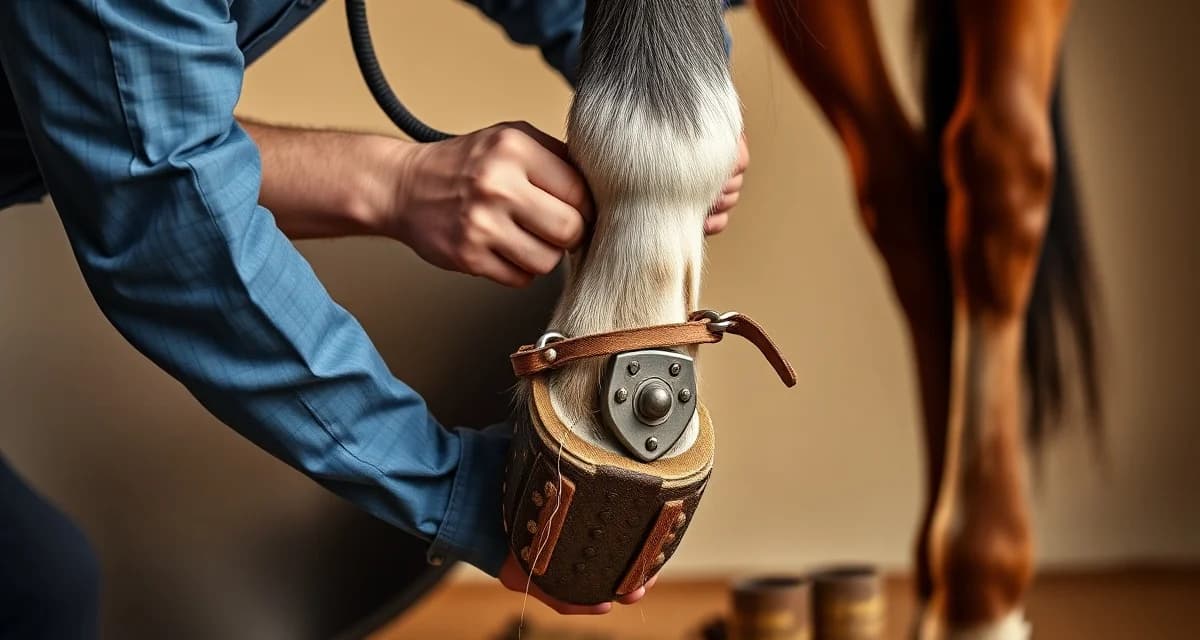
Quarter Horse Reining Shoeing Guide: Sliding Plates and Stop Performance
NRHA sliding plate specifications are tightly regulated, with precise length and weight limits that govern what's legal in competition. Inside those rules, there's still meaningful room for adjustment, and how you set up a reining Quarter Horse's hind feet directly affects stop distance, safety, and the horse's confidence in the stop.
TL;DR
- NRHA-legal sliding plates are wider and longer than standard keg shoes, with heel extensions of 1-3 inches beyond the natural heel of the hoof
- Longer heel extensions generally produce more glide and a longer stop, but going too long creates balance and proprioception problems
- Hind hoof trim work is critical before the plate goes on - heel angle must match pastern angle, and excess frog and bars can prevent the plate from lying flat
- Active competition reining horses need new plates every 4-6 weeks, with heavily trained horses going through plates faster than those in lighter work
- Plate polish directly affects slide performance - a scratched, worn plate slides less freely than a polished one
- Front feet matter too: most reining farriers use a carefully fitted steel keg shoe on the fronts, often fitted slightly full to protect the hoof wall
Quarter Horses dominate reining for a reason. Their hind-end power, quick-twitch muscle response, and physical build make them the ideal candidate for the discipline. Getting their sliding plate setup right is where the farrier earns their keep in a reining program.
What Sliding Plates Do
Standard horseshoes dig in. Sliding plates are designed to glide. They're wider, longer, and flatter than a standard shoe, allowing the horse's hind feet to skim along the ground through the stop rather than biting in and grinding to a halt. The result, done correctly, is a long, smooth stop that scores well and is safer for the horse's joints than a hard dig.
The plate's length beyond the heel is the most directly controllable factor in how far the horse slides. Longer plates mean more glide area. But there are NRHA limits, and going too long creates its own balance and proprioception issues.
Hoof Preparation for Sliding Plates
The trim work before the plate goes on matters enormously. You want the hind hoof balanced, with the heel angle matching the pastern angle, and the toe trimmed appropriately for the plate size. Excess frog and bars can interfere with the plate's ability to lie flat and slide cleanly.
Most experienced reining farriers keep the hind hoof relatively square-toed or very mildly rolled to help the foot break over correctly when the horse is moving forward before the stop. The plate itself carries very little traction, so the trim has to create the foot balance that supports the horse's movement everywhere except the stop.
FarrierIQ's hoof health records capture the specific plate length, the heel angle, and any performance notes from the trainer after each visit. Over time, that record shows you what's working for a particular horse and lets you make adjustments with a basis in actual data rather than guesswork.
Front Foot Shoeing for Reining Horses
The hind feet get all the attention in reining, but the front feet matter too. Reining horses need front feet that support athletic movement through spins and circles. Most reining farriers use a standard steel keg shoe on the fronts, sized and fitted carefully to the foot. The front shoe is often fitted slightly full to protect the hoof wall.
Some trainers have strong preferences about front foot angles for reining, particularly for horses that are doing a lot of spinning, where the pivot foot takes notable rotational stress. Tracking those trainer preferences and horse-specific notes across a full reining client roster is much easier when records are centralized and searchable.
The Competition Shoeing Cycle
Active competition reining horses during the season need plates every 4-6 weeks. A horse in heavy slide training, doing 30-40 slides per session, goes through plates faster than one doing lighter maintenance work. The plate polish matters too. A polished plate slides more freely than a scratched, worn one.
FarrierIQ's scheduling app keeps your reining clients on that tight cycle with automated reminders and overdue alerts. You're never caught off guard by a client whose horse has been running on worn plates for two weeks longer than intended. For farriers managing a large reining and performance horse clientele, staying ahead of those cycles is one of the most direct ways to protect both the horses and your professional reputation.
Frequently Asked Questions
What sliding plates do Quarter Horses wear for reining?
NRHA-legal sliding plates for competition are steel shoes wider and longer than a standard keg shoe, with a flat, smooth contact surface and extended heels. Most are 3/4 inch or 1 inch wide in the web, with heel extensions that protrude 1-3 inches beyond the natural heel of the hoof. The specific size depends on the horse's foot and the trainer's preferences within NRHA parameters.
How are Quarter Horse hooves prepared for sliding plates?
The hoof is trimmed to a balanced, correct angle with the heels left at a height that allows the pastern and coffin bone angles to be properly aligned. The frog is trimmed but not over-reduced. Some farriers rasp or shape the underside of the wall slightly to ensure the plate lies flat. The wall at the heel is kept clean so the plate can be properly seated and nailed or fitted with heel calks.
How do sliding plates affect a Quarter Horse's stop distance?
Longer plates with more heel extension generally produce more glide and a longer stop, given correct training. But the horse also has to be comfortable and confident in the stop for the plate length to translate into performance. A horse that's bracing or protecting itself from discomfort won't stop fully regardless of plate specification. The plate is one factor in a system that includes training, footing, and the horse's physical condition.
How often should sliding plates be polished or replaced during a competition season?
Plates should be evaluated at every shoeing cycle, which for active competition horses is every 4-6 weeks. A plate that has lost its polish from arena footing will produce noticeably less glide, and a worn or bent plate can create uneven contact that affects the horse's confidence in the stop. Many farriers polish plates at each reset, and some trainers polish them between farrier visits as part of routine horse care.
Does arena footing type change how sliding plates should be set up?
Yes, footing has a direct effect on how a given plate specification performs. Deeper, sandier footing creates more resistance, which can reduce slide distance even with longer plates. Harder, more packed footing allows more glide. Farriers working with reining clients should ask about the primary arenas the horse competes in, since a plate setup that works well in one footing type may underperform or feel unsafe in another.
Can sliding plates cause soundness problems if left on too long?
They can. Plates left on beyond the recommended 4-6 week cycle can grow out of balance as the hoof grows, shifting the horse's weight distribution and placing uneven stress on tendons and joints. The extended heel of a sliding plate also makes the horse more vulnerable to overreaching injuries if the shoe is not properly maintained. Consistent shoeing cycles are one of the most important factors in keeping a reining horse sound through a long competition season.
Sources
- National Reining Horse Association (NRHA), Official Rulebook and Equipment Regulations
- American Farriers Journal, performance horse shoeing coverage and farrier education resources
- Oklahoma State University Extension, equine science and hoof care publications
- University of California Davis School of Veterinary Medicine, equine lameness and biomechanics research
- Brotherhood of Working Farriers Association (BWFA), farrier certification and continuing education materials
Get Started with FarrierIQ
Reining clients run on tight schedules, precise plate specifications, and performance data that changes horse by horse. FarrierIQ gives you a single place to track plate length, heel angles, trainer notes, and shoeing cycles for every horse in your reining program, so you can make informed adjustments and keep horses competing at their best. Try FarrierIQ free and see how much easier it is to manage a performance horse clientele when every record is exactly where you need it.