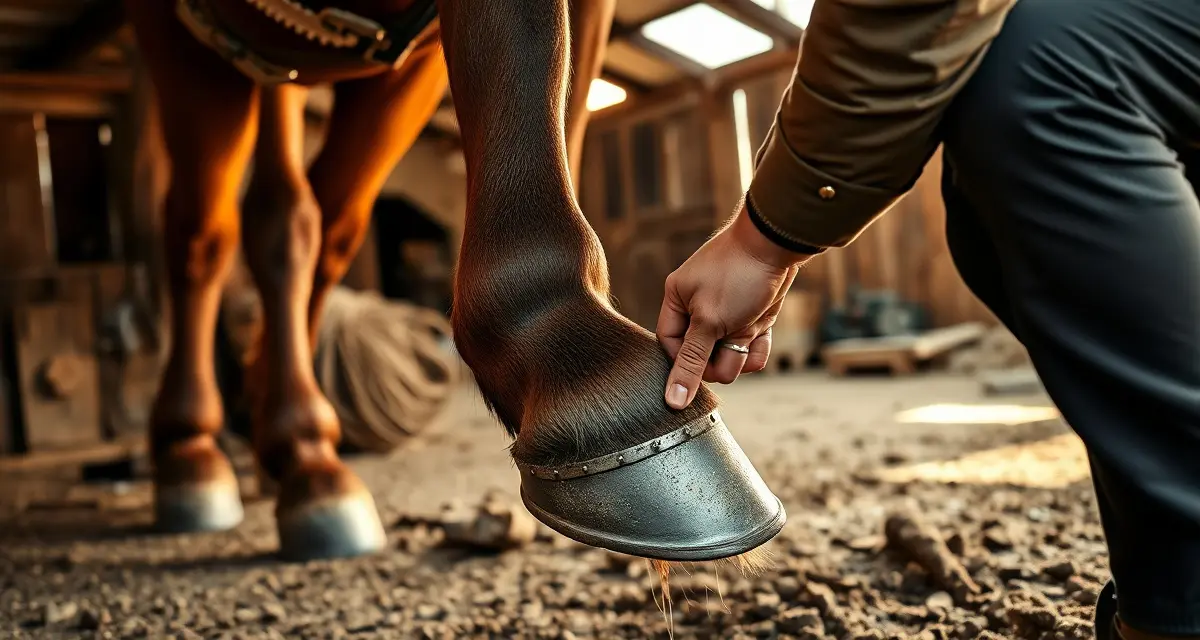
Draft Horse Farm Work Shoeing Guide: Managing Working Draft Horses Year-Round
Working draft horses wear through shoes 60% faster than pleasure-kept drafts of the same breed. A Belgian, Percheron, or Clydesdale pulling a forecart on gravel farm roads, logging in rocky woodlots, or pulling equipment through field work creates extraordinary shoe wear that requires a fundamentally different shoeing approach than a draft horse kept for shows or light recreational driving.
TL;DR
- Working draft horses wear through shoes 60% faster than pleasure-kept drafts -- the shoe weight, traction requirements, and material selection must all reflect the realities of continuous hard use.
- Steel shoes in heavier gauge than standard are required for working drafts; aluminum wears too quickly under the weight and abrasion of heavy farm work.
- Calks at the heels (and sometimes toes) are the most common traction addition for farm work; borium welded to key contact points is the most durable option for road or gravel work.
- Working drafts in heavy daily use typically need 5-6 week intervals; seasonal workers can extend to 7-8 weeks in the off-season but need tighter intervals during active work periods.
- Track wear rate per horse in FarrierIQ: when you know a specific horse wears through shoes in 7 weeks, you schedule at 6.5 weeks rather than reacting after a shoe is dangerously worn.
- Large draft accounts batched on the same visit day reduce travel cost per horse and make multiple-draft farm accounts more efficient to service.
- Borium at high-wear points extends shoe life significantly -- for horses doing road or gravel work, borium at the heels can reduce the total number of replacements per year.
The Working Draft Difference
Pleasure-kept and show drafts are shod similarly to other horses -- good quality shoes, standard fit, attention to balance and appearance. Working drafts are shod for durability, traction, and the practical realities of continuous hard use.
Shoe material: Working drafts almost universally require steel shoes rather than aluminum. Aluminum wears too quickly under the weight and abrasion of heavy farm work. Steel -- ideally a heavier gauge than used for light horses -- provides the durability that farm work demands.
Shoe weight and thickness: A Belgian pulling a manure spreader across gravel wears through a standard light shoe rapidly. Heavier gauge shoes last significantly longer. Many working draft farriers use custom-forged shoes or heavier commercial draft shoes for horses in active daily work.
Traction requirements: Farm work often occurs on footing that would be slippery without proper traction -- wet grass, muddy fields, loose gravel, uneven packed earth. Working drafts need traction additions that hold up through repeated use.
Traction for Working Conditions
Calks: Calks (small extensions welded or forged into the shoe at heels and sometimes toes) are the most common traction addition for working drafts. They provide consistent grip on variable footing. The height and configuration of calks varies by the primary work surface -- higher calks for soft ground work, shorter calks for hard road work.
Borium: Borium welded to key contact points -- typically heels and sometimes toes -- provides excellent traction and exceptional durability. For horses doing significant road or gravel work, borium at the heels can dramatically extend shoe life.
Removable studs: Some working draft setups include tapped stud holes for removable studs, allowing traction adjustment by season or task. Deeper studs for spring field work, smaller studs for summer road work.
Rubber pads: For horses working on extremely hard surfaces -- concrete barnyard floors, asphalt -- rubber pads between shoe and sole can reduce concussion and improve comfort significantly.
Managing the Shoeing Interval
Working draft horses wear shoes faster and accumulate more physical stress on their feet than light horses. FarrierIQ work-use notes track working draft horse shoe wear rates for cycle optimization -- when you have documented wear rates per horse, you can predict when they'll need attention rather than reacting after the shoe is dangerously worn.
For horses in very active daily work, 6-week intervals may be necessary. For seasonal workers (spring field work only, for example), the interval can be longer during off-season and shorter during active work periods.
Document what type of work each draft is doing in your draft horse shoeing guide notes. A horse logging in rocky terrain needs different management than one pulling a manure spreader on soft ground -- and having that context in your records helps you plan appropriately.
Shoe Replacement Costs
Large draft horse shoes cost significantly more than light horse shoes -- both in material and labor time. Shoeing a working Belgian takes longer than shoeing a Thoroughbred. Document this in your pricing for draft accounts, and make sure clients understand that the higher cost per visit for their working draft reflects the additional material and time required.
For clients who farm with multiple working drafts, establishing a clear pricing structure per horse with notes on shoe type and material is worth doing upfront. Regular large draft accounts where you know the horses well are efficient to service once the relationship and pricing are established.
Frequently Asked Questions
How often do working farm draft horses need shoeing?
Working farm draft horses typically need shoeing every 5 to 8 weeks depending on the intensity and surface of their work. Heavy daily farm work -- pulling equipment on hard or abrasive surfaces -- may require 5 to 6 week intervals because shoes wear faster than on a lightly worked horse. Seasonal farm workers (spring plowing, fall harvest only) may go 7 to 8 weeks between visits during their off-season but need more frequent attention during active work periods. The wear rate varies significantly by surface -- horses working on gravel, concrete, or hard packed earth wear through shoes much faster than those working on soft ground.
What shoes are most durable for draft farm work?
Heavy gauge steel shoes with calk traction additions are the most durable option for working draft horses. Borium welded to heels (and sometimes toes) extends shoe life significantly for horses doing road or gravel work -- borium is much harder than standard steel and resists wear at the contact points where most shoe material is lost. For horses working on soft ground primarily, standard heavy draft shoes with calks are typically adequate. Aluminum shoes are generally not appropriate for working drafts -- they don't provide adequate durability for continuous hard use under heavy horses and heavy loads.
How do you manage large draft horse shoe replacement costs?
The most effective way to manage draft shoe costs is through systematic tracking of each horse's wear rate and proactive scheduling. When you know a particular horse wears through their shoes in 7 weeks under typical workload, you schedule them at 6.5 weeks rather than waiting for them to pull or destroy a shoe. A destroyed shoe costs more to address than a proactively managed interval. Using borium on high-wear points extends shoe life, reducing the total number of replacements per year. For clients with multiple working drafts, batching all the horses on the same visit day reduces travel cost per horse and makes the overall farrier relationship more efficient.
How do you communicate the difference in pricing between a working draft and a light horse to a new client?
Be specific about the cost drivers: draft shoes in the appropriate size and gauge cost more in material, the time to trim and shoe a 2,000-pound horse with larger feet is longer than a 1,200-pound Quarter Horse, and the physical demands of the work are reflected in the rate. Most farm clients who work with draft horses understand that bigger equipment and harder work costs more -- they apply the same logic to their tractors and implement maintenance. Itemizing material and labor in FarrierIQ invoices gives clients a clear breakdown if they want to understand the cost structure rather than just seeing a total.
What hoof health issues are most common in working draft horses?
Sole bruising from hard or abrasive work surfaces is common, particularly when intervals stretch too long or shoe wear becomes significant. Thrush can develop in drafts doing wet-ground farm work, especially feathered breeds where the coronary band area stays moist. Calks that wear unevenly can contribute to imbalance if left too long -- one worn calk changes the landing geometry. Working drafts logging or doing rocky ground work are also at higher risk for quarter cracks from the high concussive stress of uneven terrain. Documenting condition findings at each visit in FarrierIQ creates the baseline that lets you identify patterns specific to each working horse's conditions.
Related Articles
- Appaloosa Endurance Shoeing Guide: Managing Striped Hooves for Long Distances
- Farrier Pricing for Trail Horses: Terrain-Ready Shoeing Rates
- Mustang Natural Horsemanship Shoeing Guide: Building Trust and Managing Hooves
Sources
- American Farrier's Association (AFA), draft horse shoeing techniques and working horse management resources
- Draft Horse Journal, working draft horse management and shoeing coverage
- American Association of Equine Practitioners (AAEP), equine hoof care guidelines for working horses
- North American Versatile Hunting Dog Association (draft horse working community resources)
- University of Minnesota Extension, draft horse management and hoof care resources
Get Started with FarrierIQ
Working draft accounts with multiple horses benefit most from systematic wear-rate tracking and batch scheduling -- when you know each horse's individual wear pattern and work schedule, you can plan proactive visits rather than reacting to lost shoes. FarrierIQ's per-horse notes capture work type, shoe specifications, and wear observations at every visit, building the data that makes working draft management predictable. Try FarrierIQ free and bring that planning discipline to your draft horse accounts.