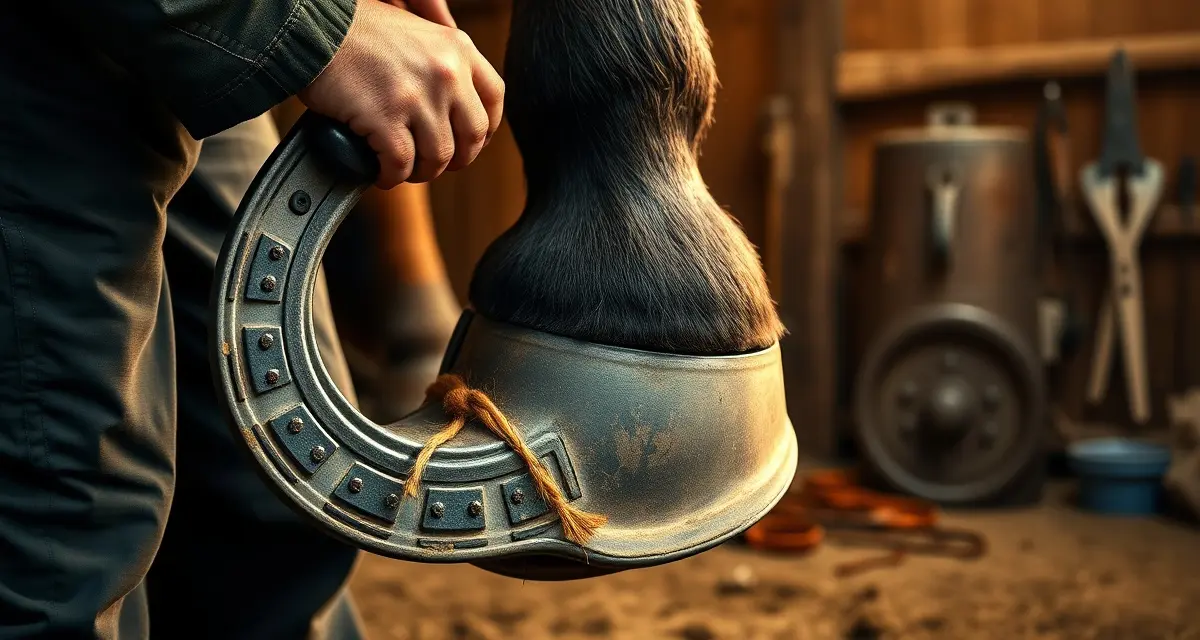
Draft Horse Pulling Competition Shoeing Guide: Maximum Grip for the Full Pull
Pulling competition shoes can weigh 6-8 pounds with specialized cleats for maximum traction. That's not a standard farrier job. It requires knowledge of pulling competition rules, the physics of maximum load traction, and the physical demands on massive hooves that are doing something no other horse discipline asks of them.
TL;DR
- Pulling competition shoes can weigh 6-8 pounds with specialized cleats -- significantly heavier than standard draft shoes, and often custom-made or heavily modified.
- The competition distance is typically 27.5 feet in sanctioned events; every bit of grip from the shoe translates directly to pull weight, making cleat sharpness and configuration the most performance-critical shoeing variable.
- Competition rules from the National Pulling Association and state affiliates govern shoe construction and modification -- confirm current specifications with the governing body before competition season.
- Most pulling horses need visits every 5-7 weeks during active season, with fresh cleats being the most important factor for performance; worn cleats lose bite and the horse underperforms.
- Hoof quality issues that would be minor on a pleasure horse -- cracks, white line, wall weakness -- become more significant when the horse is putting maximum load through that foot.
- FarrierIQ records can capture competition shoe specs (cleat placement, event-specific modifications) alongside routine shoeing, creating documentation that protects both farrier and competitor if compliance questions arise.
- Some competitors prefer to reshoe before each major pull rather than running on gradually worn cleats -- build this into the competition calendar from the start.
If you work with pulling competition draft horses, you're in a specialized corner of the farrier world that rewards expertise. These clients know their stuff. The best ones understand traction, footing, and what affects their horse's pull weight better than most horse owners understand anything about their animals.
The Physics of a Full Pull
Pulling competitions measure how far a horse or team can drag a weighted sled a specified distance, usually 27.5 feet in sanctioned events. Maximum traction is the goal. The horse drives forward against the load, and every bit of grip from the hoof translates directly to pull weight.
The shoe needs to dig in and hold on dirt, clay, or sand surfaces. Cleats, sometimes called calks or caulkins, project from the shoe's ground surface and bite into the footing. The size, placement, and sharpness of those cleats determines how aggressively the shoe grips.
At the same time, the shoe has to distribute the load across the hoof without damaging the foot. A horse putting everything it has into a pull is generating enormous force through the limbs. The shoe has to be strong enough to handle that without folding, and it has to be seated well enough that it doesn't shift under load.
Competition Rules and Shoe Specifications
Most sanctioned pulling events, through the National Pulling Association and state affiliates, have rules about shoe construction and modification. Understanding what's legal for the specific events your clients compete in is part of the job. Rules vary, so confirming current specifications with the governing body is always worth doing before the competition season starts.
FarrierIQ's hoof health records can capture the specific shoe specs used for each horse at each competition, including cleat placement and any event-specific modifications. That record protects you and the competitor if questions arise about compliance.
Draft Horse Hoof Preparation
Pulling competition horses have massive hooves that need to be in excellent condition to handle the stress of pulling. Any cracks, white line issues, or wall quality problems that would be a minor concern on a pleasure horse become more notable when the horse is asked to put maximum load through that foot.
Addressing hoof quality issues before competition season, and tracking hoof condition across the season, is basic maintenance for a pulling horse. Regular visits, timed around the competition calendar, keep the hooves in condition to perform when it matters.
Scheduling for Competition Season
Pulling season often concentrates into county fair circuits and sanctioned event series that run from summer into fall. FarrierIQ's scheduling app helps you build the competition season schedule into your planning so pulling horses are freshly shod at the right point before major events.
Most pulling horses need visits every 5-7 weeks during the active season, with fresh cleats being one of the most important factors for performance. Worn cleats lose their bite, and a horse pulling on worn cleats underperforms.
Frequently Asked Questions
What shoes do draft horses wear for pulling competitions?
Pulling competition shoes are heavy steel, often custom made or considerably modified from stock shoes. They carry cleats that project from the ground surface for maximum traction. The weight of the shoe varies by the horse's size and the rules of the specific competition sanctioning body. Some competition farriers weld cleats onto a base shoe; others use specialty pulling shoes designed specifically for the discipline.
How are pulling competition draft horse hooves prepared?
The hoof needs to be trimmed for balance and soundness before a pulling shoe goes on. Any existing hoof health issues should be addressed well before competition. The hoof wall needs to be in good condition to securely hold the heavier nails required for a pulling shoe. Some farriers use more nails than standard for added security under the extreme pulling loads.
How often do competitive pulling horses need shoeing?
Most pulling horses competing in a county fair circuit or sanctioned series are on a 5-7 week schedule during the season. The cleats are the most performance-critical element, and worn or chipped cleats considerably reduce grip. Some competitors prefer to reshoe before each major pull rather than running on gradually worn cleats.
What hoof conditions disqualify a pulling horse from competition, and how should a farrier communicate this?
No specific hoof condition automatically disqualifies a horse in most sanctioned events -- competition rules govern shoe construction, not hoof health. But a horse pulling in competition with compromised hoof wall, significant cracks, or inadequate heel support is at elevated risk for injury under the extreme loads of a full pull. If you identify a hoof health issue that creates a performance or safety risk before a major event, the conversation with the competitor needs to be clear and specific: describe what you found, why it matters under pull load, and what addressing it requires before they compete. Competitors who trust your judgment accept these conversations better than those who feel they're hearing about problems for the first time at the last minute.
How do cleat configuration and footing type interact, and how should this affect the shoeing approach?
Cleat height and aggressiveness should match the primary competition surface. Higher, sharper cleats dig into soft dirt or clay effectively but can cause slipping or instability on harder, drier surfaces where they don't penetrate as deeply. Shorter, wider cleats grip better on firm ground without the instability risk. If your client competes on a variety of surfaces across a county fair circuit, discussing whether a middle-ground cleat configuration or a surface-specific approach makes more sense for their schedule is worth the conversation. Documenting what cleat configuration was used at each event and how the horse performed in FarrierIQ creates the reference data that lets you refine the approach across a full competition season.
Related Articles
- Clydesdale Shoeing Guide: Managing the Gentle Giants of the Draft World
- Draft Horse Shoeing Guide: Shoeing Large Breeds Like Clydesdales and Belgians
Sources
- National Pulling Association, sanctioned event rules and shoe construction guidelines
- American Farrier's Association (AFA), draft horse shoeing techniques and competition shoeing education
- Draft Horse Journal, pulling competition management and specialized shoeing resources
- American Association of Equine Practitioners (AAEP), equine hoof care and competition preparation guidelines
- State draft horse pulling associations, regional event specifications and rule variations
Get Started with FarrierIQ
Pulling competition clients need their shoeing scheduled backward from competition dates, competition shoe specs documented separately from routine records, and cleat condition tracked closely enough that you're not putting a horse into a major pull on worn traction. FarrierIQ's scheduling and per-horse records handle all of that, letting you manage competition season as a planned system rather than a series of last-minute requests. Try FarrierIQ free and build the documentation structure that competition draft work requires.