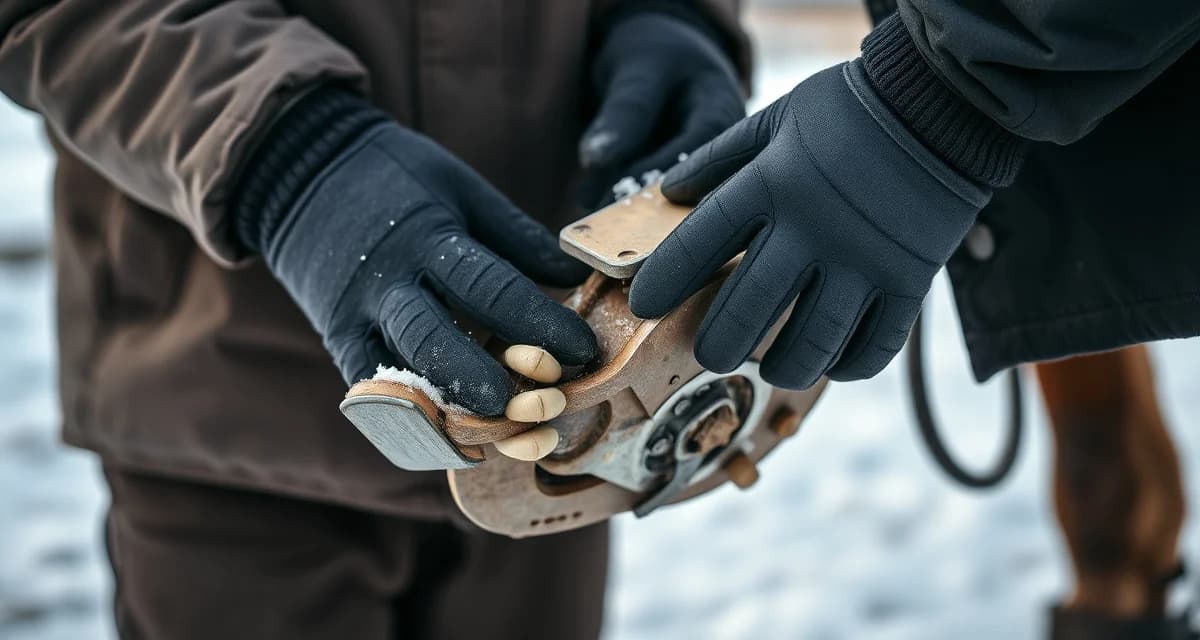
How to Manage a Winter Horseshoeing Schedule: Cold Weather Tips and Tools
Farriers lose an average of 18% of income in winter months without proactive schedule management. That's not all weather-related cancellations - some of it is missed opportunities to maintain revenue by adapting to what winter actually demands.
TL;DR
- Farriers lose an average of 18% of winter income without proactive schedule management, but much of that loss is preventable.
- Horse hoof growth slows 20-30% in winter, meaning some horses can shift from 6-week to 7-8 week cycles, but this varies by individual horse and workload.
- Snow pads, studs, and borium applications should be discussed with clients before the first freeze, not after.
- Front-loading your schedule in December and March, and building flexibility into January and February, reduces the revenue impact of weather cancellations.
- A waitlist in your scheduling software lets you fill cancelled slots on good-weather days rather than losing that income entirely.
- Offline-capable software matters in winter because rural cell coverage is less reliable in wet and cold conditions.
- Proactive client communication the day before a forecasted storm prevents last-minute chaos and builds trust.
Winter brings frozen ground, barn temperature challenges, horses in heavier blankets that take longer to prep, clients who are less reliable about showing up, and cold metal that doesn't respond the same way as it does in July. You can't control the weather. You can control your schedule, your communication, and your tools.
How Cold Weather Affects Horseshoeing
The Ground and Footing
Frozen ground changes the load on horse hooves. Hard-packed ground means less natural concussion absorption and more impact on the hoof, coffin bone, and joints. Horses with thin soles feel this more acutely - you may need to address sole depth in winter preparations more than during other seasons.
Mud season - often worse in late winter and early spring - creates different problems. Deep mud can pull shoes. Repeated suction on soft, wet hooves softens the hoof wall and increases the risk of white line separation.
Cold Tools and Metal
Steel shoes get cold. Forge-shaping cold steel isn't dramatically different, but cold weather affects how quickly work cools and how you handle fit adjustments. Your hands feel it. Your tools feel it. Work in unheated barns, and you're dealing with the physical challenge of cold fingers affecting fine motor control.
If you're working at a barn without heated facilities, take more warm-up time between horses.
Hoof Growth Rate
Horses' hoof growth slows in winter - typically 20-30% slower than peak summer growth. This affects shoeing cycles for individual horses. Some horses that need 6-week cycles in summer can comfortably stretch to 7-8 weeks in winter. Others, especially those in heavy work, maintain their cycle regardless of season.
Track each horse's actual growth rate in FarrierIQ. The data will show you which horses change with the season and which don't.
Step 1: Plan Your Winter Schedule Proactively
Adjust cycles before winter starts: In October/November, contact clients whose horses may shift to longer winter cycles. Set realistic expectations about timing and get appointments on the books while clients are still engaged.
Front-load your winter book: January and February are the months most likely to have weather cancellations. If you can, run heavier schedules in December and March when weather is more manageable, and build flexibility into the heart of winter.
Geographic clustering matters more in winter: Driving long distances in bad weather for a single horse appointment is high risk for low reward. Use FarrierIQ's route optimization to cluster stops tightly in winter - shorter routes mean less exposure to road conditions.
Step 2: Winter-Specific Shoeing Adjustments
Studs for traction: Many horses in winter work need studs or borium applications for traction on frozen ground or snow. Know which horses in your book need this and have the conversation with owners before the first freeze.
Snow pads: Horses in snowy conditions can pack snow in their hooves, creating uncomfortable balls of ice underfoot. Full pads, bubble pads, or rim pads prevent packing. Talk to clients about this option before the first snowfall.
Barefoot or lighter shoes for horses in less work: Horses with light winter workloads may benefit from going barefoot or switching to lighter shoes during the slow months. This is a discussion with the owner and, for horses with hoof history, their vet.
Thrush monitoring: Wet, muddy winter conditions create perfect thrush environments. Flag horses you're concerned about, add condition notes in FarrierIQ, and recommend appropriate bedding management and hoof care to owners.
Step 3: Handle Winter Cancellations
Winter cancellations happen for legitimate reasons - ice storms, flooded driveways, horse owner illness, true emergencies. Your cancellation policy still applies, but use judgment.
Build weather clauses into your policy: "I reschedule for weather that makes travel genuinely unsafe (ice, 6+ inch snow). Cancellations for other reasons follow my standard 24-hour policy."
Have a waitlist: FarrierIQ's scheduling lets you maintain a list of clients who want in sooner if a cancellation opens up. When a slot opens on a good weather day, you fill it from the waitlist rather than losing the slot entirely.
Communicate proactively about weather days: If you see a storm coming, reach out to clients with morning appointments the day before. "We have ice in the forecast for tomorrow morning. If conditions are bad, I'll be in touch by 7 AM. If you don't hear from me, we're on."
This proactive communication is better than both parties showing up uncertain, or the client calling at 6:30 AM when you're already on the road.
Step 4: Use Offline-First Software in Winter Conditions
Cell coverage in rural areas is generally worse in winter - foliage down means more signal, but wet weather, atmospheric conditions, and rural gaps create dead zones that your summer routing never hit.
FarrierIQ's offline-first design means your schedule, records, and invoicing work regardless of conditions. You don't need signal at the barn to invoice. You don't need it to check last visit notes. You're covered.
Managing Income in Low-Revenue Winter Months
Targeted outreach for horses on longer cycles: If a horse's owner is comfortable with an 8-week cycle but you know the horse is at 9 weeks because of a December reschedule, reach out and get them back on track.
Winter hoof care education: Offer clients a quick debrief on winter hoof care - thrush prevention, pad options, cycle adjustments. Clients who learn from you value the relationship more and are less likely to push back when you recommend additional services.
Pre-season show barn bookings: Spring show season starts with horses needing new shoes. Book those appointments in February rather than letting March become chaos.
Related Articles
FAQ
How does cold weather affect horseshoeing?
Cold weather slows hoof growth by 20-30%, affecting shoeing cycles for many horses. Frozen or hard ground increases hoof impact and may require sole-depth attention. Mud and wet winter conditions promote thrush and can pull shoes. Horses working in snow may need traction additions (studs, borium) or snow pads. Cold affects your tools and your physical comfort working in unheated barns. FarrierIQ tracks each horse's hoof growth rate, so you can see who genuinely stretches in winter and who doesn't.
Should horses be shod differently in winter?
Potentially yes. Horses in snowy or icy terrain may benefit from snow pads (full, bubble, or rim pads) to prevent ice packing. Those doing outdoor work in frozen conditions may need studs or borium for traction. Horses with reduced winter workloads sometimes benefit from a lighter shoe or barefoot period. Horses prone to thrush need extra attention to hoof hygiene given winter mud. These are individual decisions based on each horse's use, environment, and hoof history - document your recommendations in FarrierIQ so they carry forward to the next winter.
How do farriers manage cancellations in winter?
Build weather-related cancellation flexibility into your policy - most clients understand that you won't drive on ice. For non-weather cancellations, your standard 24-hour notice requirement still applies. Proactive communication about upcoming weather days helps both sides plan. Maintaining a waitlist in FarrierIQ ensures that cancellations can be filled quickly on good weather days rather than lost. Front-loading heavier schedules in December and March - when weather is more manageable - reduces the revenue impact of February cancellations.
How do you keep horses calm and cooperative during cold-weather shoeing sessions?
Cold horses are often less patient than they are in warmer months, especially if they've been standing in a cold barn or are pulled away from hay. Keeping sessions efficient, working in a sheltered area out of wind, and allowing horses a brief warm-up period before you start can help. If a horse is particularly reactive to cold, communicate with the owner about having the horse brought in and settled before you arrive.
Is it worth offering winter hoof care packages or discounted rates to retain clients?
Some farriers offer a flat winter rate that accounts for longer cycles, which simplifies billing and keeps clients from going overdue. Others maintain standard per-visit pricing and simply communicate clearly about adjusted cycle timing. Discounting is rarely necessary if you're proactive about explaining why cycles shift and what value you're providing each visit. The bigger retention factor is consistent communication and showing up reliably when conditions allow.
What should farriers do when a client's horse is overdue because of repeated winter cancellations?
Reach out directly rather than waiting for the client to reschedule. A short message noting that the horse is past its usual cycle and offering two or three specific available dates is more effective than a general reminder. In FarrierIQ, you can flag overdue horses and generate outreach lists so no horse slips through the gap after a string of weather cancellations.
Sources
- American Farriers Journal, Lessiter Media - industry publication covering farrier techniques, business practices, and seasonal hoof care
- American Association of Equine Practitioners (AAEP) - veterinary guidelines on hoof health, seasonal care, and farrier-vet collaboration
- University of Minnesota Extension, Horse Program - research and guidance on equine hoof growth rates, winter management, and footing conditions
- National Farriers Association (NFA) - professional standards, continuing education, and business resources for working farriers
- Rutgers Equine Science Center - university research on hoof physiology, growth cycles, and environmental impacts on hoof condition
Get Started with FarrierIQ
Winter is the season that separates farriers who manage their business proactively from those who absorb the losses and hope for spring. FarrierIQ gives you the scheduling flexibility, offline access, and hoof record tracking to stay on top of your book when conditions are working against you. Try FarrierIQ free and see how much easier winter scheduling gets when your tools are built for how farriers actually work.