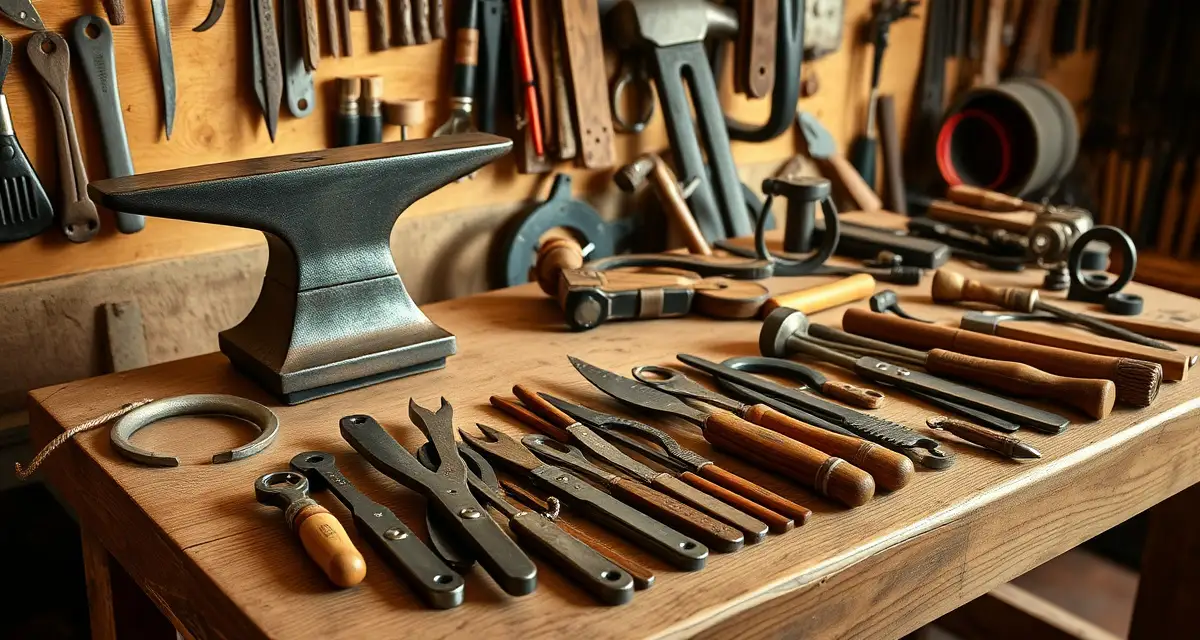
Farrier Equipment Guide: Essential Tools for Professional Horseshoeing
A complete professional farrier kit runs $3,000 to $8,000 to build from scratch, with ongoing annual replacement costs as tools wear and need upgrading. That's a real investment, and building a smart kit rather than just buying whatever's in a catalog can save you money while giving you better tools to work with.
This guide covers the essential tools every professional farrier needs, what to expect at different price points, how to prioritize when you're just starting out, and how to track equipment costs so you're capturing the tax deductions you're entitled to.
TL;DR
- A complete professional farrier kit costs $3,000-8,000 to build from scratch; annual replacement costs (primarily rasps, knife blades, and worn hand tools) run $500-1,500 per year for a full-time working farrier.
- Priority order for building the kit: (1) hand tools -- quality nippers, knives, and rasps affect every horse you shoe; (2) forge and anvil -- your core production infrastructure; (3) truck and storage -- your mobile shop; (4) specialty and upgrade tools.
- Cheap nippers and rasps are false economy: dull nippers make your work harder and the cut quality worse, and cheap pairs need replacement in months rather than years; quality tools from GE Forge, Bloom, Diamond, or Mustad pay back over a career.
- A propane gas forge (single-burner: $400-900) is the modern standard -- easier to transport than coal, faster setup, reliable heat; the Mankel, NC Whisper, and Diamondback brands are commonly used.
- All tool purchases are deductible business expenses; Section 179 allows immediate expensing of major equipment in the year of purchase -- keep receipts for every tool purchase, no matter how small.
- Specialty tools like an angle grinder, hoof stand, and shoe modifier reduce physical wear over a career; they're not luxury items for a full-time working farrier.
The Core Hand Tool Kit
Your hand tools are what you use on every horse, every day. These aren't optional.
Hoof Knives
You'll use hoof knives more than almost anything else. A good knife with a proper bevel and comfortable handle is worth spending money on. The cheap knives in starter kits dull fast, require more force, and tire your hands on a long day.
Straight knives are your primary tool for cleaning out the hoof, trimming frog, and exploring the white line. Most farriers carry two to four straight knives in rotation.
Loop knives (or hook knives) work for specific frog work and collateral groove exploration. Not every farrier uses them regularly, but most serious professionals have them.
Plan to spend $25-60 per quality knife. You'll go through handles and blades over a career, so buying well-made knives that can be resharpened is a better long-term investment than cheap ones you replace constantly.
Hoof Nippers
Nippers are the workhorses of your trimming kit. They take real wear and need to be kept sharp. A good pair of nippers should last years with proper sharpening. A cheap pair will need replacement in months.
Classic pattern nippers in the 14-16 inch range are standard for most horses. Some farriers prefer 12-inch nippers for fine work.
Draft nippers are heavier and wider for draft breed hoof walls that require more material removal.
Quality nippers from established makers (GE Forge, Diamond, Bloom, and others) run $80-200 per pair. This is not the place to save money, dull nippers make your work harder and the cut quality worse.
Hoof Rasps
You'll go through rasps regularly. A sharp rasp cuts efficiently; a dull rasp makes you work twice as hard for worse results. Many working farriers go through a new rasp every 10-30 horses depending on horse type, hoof condition, and personal preference.
Single-cut and double-cut rasps serve different purposes. Double-cut rasps remove material faster. Single-cut rasps leave a finer finish. Most farriers keep both in rotation.
Quality rasps: $15-40 each from manufacturers like GE, Heller, or Simmons. Budget accordingly, this is a real annual expense.
Pull-offs
Pull-offs (or shoe pullers) come in several patterns. They're what you use to remove old shoes. A quality pair with comfortable handles is worth having; cheap pull-offs with soft metal jaws fail at the wrong moment.
Standard farrier pull-offs run $30-60 for quality tools.
Clinch Cutter
The clinch cutter straightens and cuts nail clinches during shoe removal without damaging the hoof wall. It's a specialized tool but a necessary one.
$20-40 for quality.
Driving Hammer
Your driving hammer is personal. Weight, handle length, face shape, experienced farriers are particular about their hammers, and for good reason. The right hammer for your arm and style is more efficient and less fatiguing over a full day.
Common weights range from 12-16 oz. Start with something in the 14 oz range and adjust from there based on how it feels after a few weeks.
Quality driving hammers from GE Forge, Mustad, or Diamond: $40-80.
Clinching Hammer
Clinching hammers are lighter and are used for finishing, setting and filing clinches. Some farriers prefer a dedicated clinch block setup; others use a specialized clincher hammer.
$25-50 for a quality clinching hammer.
Anvil, Stand, and Forge Setup
This is the heart of your shoeing operation. Getting the forge and anvil setup right matters more than many farriers realize when they're starting out.
Anvil
Anvils come in a range of weights and styles. Farrier anvils are specialized compared to blacksmithing anvils and typically have a rounded horn for shoe shaping.
Common farrier anvil weights: 100-200 lbs for a working farrier. Heavier anvils absorb force better, but you're also lifting and positioning it every day.
New farrier anvils from quality makers (Peddinghaus, TFS, Cliff Carroll): $400-1,200 depending on size and maker.
Used anvils can be excellent value if they're in good condition. An old anvil with a good face and proper rebound (check rebound by bouncing a steel ball bearing on it) can serve a full career. Used farrier anvils run $200-600 in most markets.
Anvil Stand
Your stand needs to get the anvil to the right working height for your stature. Custom welded stands are common in the trade and can be made to exact height specifications.
Commercial stands or fabricated stands: $100-300. Some farriers build their own.
Gas Forge
A gas forge (propane-fired) is standard for most working farriers. It heats iron quickly and efficiently without the setup overhead of coal forging.
Single-burner forges work for most farrier applications. Two-burner forges heat faster and can handle multiple shoes.
Quality farrier gas forges (NC Whisper Momma, Diamondback, etc.): $400-900. This equipment lasts for years with proper maintenance, don't cheap out here.
Regulator and hose: $50-100. Replace these on any used forge you buy.
Propane tank: A 100 lb tank gives you good working capacity between refills. $80-120 for the tank; fill prices vary by region.
Vise
A quality leg vise or post vise mounted to your truck or stand is essential for holding work while you hammer. Modern farrier vises are designed for the specific demands of hot shoeing.
$100-300 for quality vises; high-end European leg vises run more.
Truck and Rig Setup
Your truck is your shop. Setting it up well makes a real difference in daily efficiency.
Vehicle Requirements
Most farriers work from a pickup truck, typically 3/4 or 1-ton, with a custom or commercial toolbox setup in the bed. The truck needs to handle the weight of your tools and anvil/forge setup, which can add several hundred pounds.
A good truck with a proper setup is more important than any individual tool purchase. It's where you store everything and it gets you there.
Truck Toolboxes and Organizers
The investment in good truck organization pays back quickly in time saved looking for tools and protecting tools from the elements. Custom truck body builders can build out a full shoeing setup. Commercial farrier truck inserts are available from multiple suppliers.
A basic truck tool organization setup runs $500-1,500. A full custom farrier rig body is $3,000-8,000 or more.
Shoeing Box or Tote
For carrying hand tools to the horse, a quality shoeing box keeps everything organized and within reach. Worn, broken, or undersized boxes slow you down.
Commercial farrier totes: $80-200. Well worth it.
Protective Equipment
Your personal safety equipment is non-negotiable.
Farrier apron: A proper leather shoeing apron protects your legs during trimming and clinching. It's also required by many professional standards.
Quality leather apron: $100-250.
Safety glasses or face shield: Flying clinch material and debris are a real eye hazard. Safety glasses cost $5-20. The cost of an eye injury is considerably higher.
Boots with steel toes: Obvious, but worth stating. A steel-toed work boot that can handle the demands of farrier work.
Specialty Tools and Upgrades
Beyond the basics, a growing professional kit includes tools for specific situations.
Angle Grinder
An angle grinder with abrasive discs is how most farriers prepare hoof surfaces and finish clinches efficiently. Battery-powered cordless models have largely replaced corded for field work.
Quality cordless angle grinder (Milwaukee, DeWalt, Makita): $100-250. Buy the brushless motor version, it lasts longer under continuous use.
Hoof Stand
A quality hoof stand to support the foot while working reduces back and leg strain considerably over a career. This isn't luxury, it's injury prevention.
Quality stands: $80-200.
Shoe Spreader / Shoe Modifier
For specialty work and fitting adjustments, shoe spreaders and modifiers let you work shoe geometry without full forge work. Useful for minor adjustments at the horse.
$40-80 for quality tools.
Tracking Equipment Costs for Tax Purposes
Here's where many farriers lose money they're entitled to keep. Equipment costs are business deductions. Both the Section 179 deduction (immediate expensing of equipment in the year of purchase) and standard depreciation schedules let you reduce your taxable income based on equipment investment.
Tools and equipment that qualify for deduction include:
- All hand tools (knives, nippers, rasps, hammers, etc.)
- Anvil, stand, and forge
- Truck toolboxes and organization systems
- Safety equipment
- Specialty tools and machinery
Keep receipts for every tool purchase, no matter how small. FarrierIQ's tax records features help track equipment purchases throughout the year so you're not scrambling at tax time to remember what you bought and when.
Annual equipment replacement and maintenance costs are also deductible as business expenses. Rasps you go through all year, knife blades, consumables, all of it counts.
Work with a tax professional who understands trade or agricultural businesses to make sure you're capturing Section 179 deductions correctly when you make major equipment investments. A new forge and anvil setup can be a notable deduction in the year you buy it.
Building Your Kit Intelligently
The right order for building a professional kit, especially when you're starting or upgrading, is based on what affects your daily work quality most.
Priority 1: Hand tools. Quality nippers, knives, and rasps affect every horse you shoe. This is where quality matters most and where cheap tools cost you the most in daily efficiency and fatigue.
Priority 2: Forge and anvil setup. Without a reliable forge and a solid working anvil, your hot shoeing work suffers. This is your core production infrastructure.
Priority 3: Truck and storage. An organized, reliable rig that gets you there and keeps your tools accessible and protected.
Priority 4: Specialty and upgrade tools. The hoof stand, angle grinder, shoe modifier, and other tools that improve efficiency and reduce physical wear over time.
Buy the best quality you can afford at each priority level. Cheap tools at priority levels 1 and 2 cost you more in replacement, effort, and work quality than the money saved at purchase. At priority levels 3 and 4, there's more range in what's appropriate.
Frequently Asked Questions
What tools does a farrier need?
The essential kit includes hoof knives, nippers, rasps, a driving hammer, clinching hammer, clinch cutter, pull-offs, a quality anvil and stand, a propane forge, and a farrier apron. A truck with organized tool storage is your mobile shop. Beyond basics, specialty tools like a hoof stand, angle grinder, and shoe modifier improve efficiency considerably.
How much does farrier equipment cost?
Building a complete professional farrier kit from scratch costs $3,000-8,000 depending on the quality level of your forge, anvil, and truck setup. Annual replacement costs, primarily rasps, knife blades, and worn hand tools, typically run $500-1,500 per year for a full-time working farrier.
What is the most important farrier tool?
Most experienced farriers would say quality hoof nippers and a sharp rasp have the biggest effect on daily work quality, you use them on every horse and poor quality slows you down and makes the work harder. A reliable forge is the most important investment for farriers who do notable hot shoeing work.
When should a farrier upgrade their tools versus continuing with what they have?
The clearest signal for upgrading hand tools is when they're requiring extra force, leaving inferior cut quality, or dulling noticeably faster than they used to -- these are signs that the tool is nearing the end of its useful life. For the forge and anvil, consider an upgrade when the heating time has increased, the face quality has degraded, or your current setup is limiting your ability to do therapeutic work your clients need. For the truck organization system, upgrade when you're consistently losing time looking for tools or when equipment is getting damaged from inadequate storage. Don't let the sunk cost of existing tools prevent you from upgrading when the tool is affecting the quality or speed of your work.
How do you budget for equipment purchases across the year?
Build equipment costs into your overhead calculation from the beginning: if you'll spend $1,200 in rasps and blades per year on a 100-horse book, that's $100/month of operating expense that needs to be in your pricing. For major equipment (forge, anvil, truck organization), plan for a replacement cycle -- a forge that costs $800 and lasts 10 years costs you $80/year. Track all equipment purchases in FarrierIQ's tax records features throughout the year, not just at tax time, so you have a clear picture of total equipment spend and can plan for Section 179 deductions on major purchases.
Related Articles
Sources
- American Farrier's Association (AFA), professional equipment standards and tool quality guidance
- American Farriers Journal, tool brand comparisons and equipment investment guides
- Professional Farrier Magazine, farrier kit building and equipment maintenance resources
- Oklahoma Farrier's College and Kentucky Horseshoeing School, foundational equipment curriculum
Get Started with FarrierIQ
Professional tools handle the physical work; professional business tools handle everything else. FarrierIQ's tax records features track equipment purchases and deductible expenses throughout the year so you're not leaving Section 179 deductions on the table. The scheduling, records, and invoicing tools are the business infrastructure side of a professional operation. Try FarrierIQ free alongside your next equipment purchase.