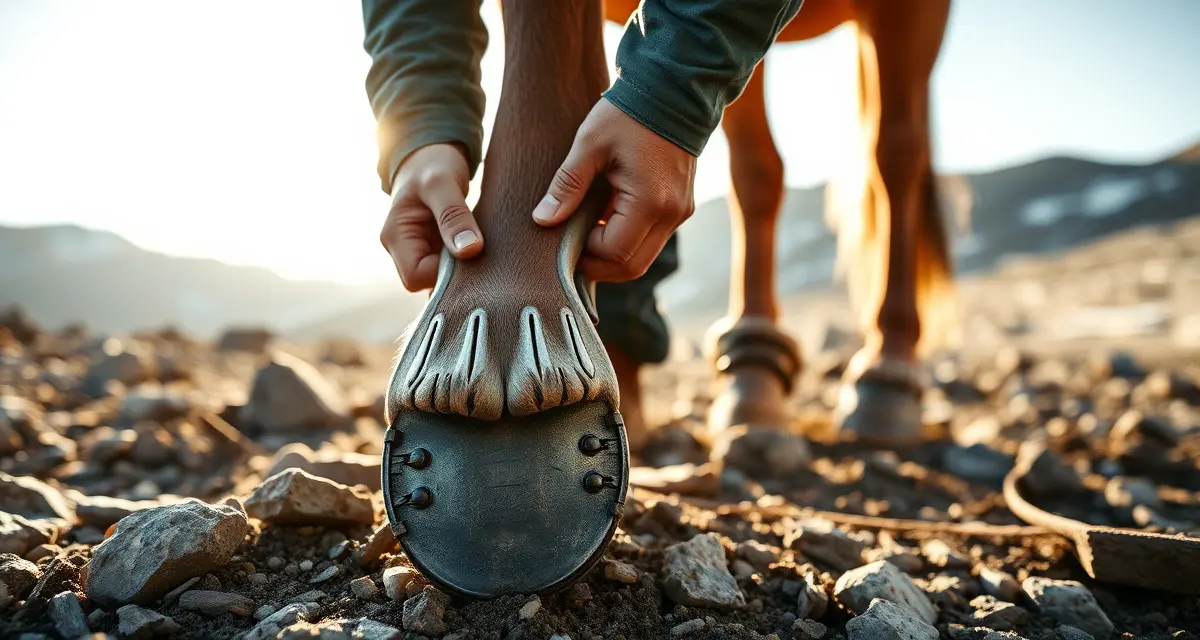
How Often Should a Trail Horse Be Shod?
Trail horses on rocky mountain terrain wear through shoes an average of 30% faster than arena horses. Terrain is the primary driver of trail horse shoeing frequency, which means there's no single right answer for all trail horses. A horse doing weekly mountain rides in the Colorado Rockies needs to be seen more often than one doing Sunday afternoon rides on grass trails in Kentucky.
The range for trail horses is 5-8 weeks, with terrain and mileage determining where each horse falls within it.
TL;DR
- Trail horses on rocky or hard-packed terrain typically need shoeing every 5-6 weeks, compared to 7-8 weeks for horses on soft or maintained trails.
- Mileage accumulates wear independently of terrain type - a horse doing 20 miles a week on rock wears shoes dramatically faster than one doing 5 miles on the same surface.
- Visible signs like toe thinning, worn clips, or shoe looseness indicate a horse may need a shorter interval than the calendar suggests.
- Barefoot trail horses still require regular farrier attention, with trimming intervals similar to or slightly shorter than shod horses on comparable terrain.
- Shoe selection matters: harder steel, wide-web, or rim shoes can extend intervals on abrasive terrain, while traction devices like borium help on steep or wet rock.
- Individual intervals should be set per horse based on actual terrain and workload, not a one-size-fits-all schedule.
Terrain Type Determines Your Interval
Rocky and hard-packed terrain: This is the most demanding environment for horseshoes. Granite, limestone, compacted clay trails, gravel paths. These surfaces wear shoe material directly and create concussive forces on the hoof wall. Trail horses doing regular rocky terrain work are typically on a 5-6 week schedule.
Mixed terrain (grass, soft dirt, occasional rock): The middle ground. Horses doing weekend trail rides on mixed moderate terrain often do well on 6-7 weeks. The shoes are holding up reasonably well and the hoof isn't being beaten up by abrasion.
Soft terrain (sand, grass, maintained trails): The most forgiving for shoe wear. Horses on soft to moderate terrain in lighter work can often go 7-8 weeks without issue. The limited abrasion means the shoe wears slowly and the hoof maintains better condition.
Mileage Matters as Much as Terrain
A horse doing 20 miles a week on rocky terrain wears shoes dramatically faster than one doing 5 miles a week on the same terrain. Mileage accumulation is the secondary factor after terrain type.
Trail horses used for organized pack trips, hunting camp trips, or long-distance trail riding events like competitive trail or endurance should be scheduled more frequently based on their actual mileage, not just a calendar interval.
What Worn Trail Horse Shoes Look Like
Knowing when trail shoes have run their course is practical knowledge for horse owners. Signs it's time before the scheduled visit:
- The shoe is noticeably thinner at the toe from wear
- Clips, if present, are worn down flush with the shoe surface
- The shoe is loose or there's visible space between the shoe and hoof wall
- The horse is reluctant on hard terrain (possible soreness from a worn shoe)
If you're seeing these signs regularly before your scheduled interval, that horse may need a shorter cycle. Tracking these observations over time through farrier visit notes and hoof records helps identify patterns before they become soundness issues.
The Shoe-Terrain Matching Problem
Part of the trail horse farrier's skill is matching the shoe to the specific terrain the horse works on. A lighter shoe that works beautifully for a flat-land pleasure horse will wear out in four weeks on a horse doing regular granite ridge work.
FarrierIQ's hoof health records let you capture terrain notes for each trail horse. That context informs your shoe selection and helps you calibrate the interval appropriately for what each horse is actually doing.
Barefoot Trail Horses
A meaningful percentage of trail horses are kept barefoot successfully. Horses with naturally hard, dense hooves on terrain that conditions the hoof naturally often do well barefoot. Regular trimming every 5-6 weeks maintains the hoof balance and prevents the wall from growing too long for the terrain.
The barefoot trail horse still needs regular farrier attention. The trimming interval for a barefoot trail horse is similar to or slightly shorter than the shoeing interval for a shod trail horse on comparable terrain. Keeping accurate barefoot trimming schedules by horse ensures no client's horse slips through the cracks during busy riding seasons.
Frequently Asked Questions
What type of shoes do trail horses need?
Most trail horses do well with a standard steel keg shoe in the appropriate size for their foot. Horses on rocky terrain may benefit from a harder steel that wears more slowly. Wide-web shoes or rim shoes provide more sole coverage for horses that are sensitive on rocky ground. Traction devices like borium welded to the shoe help on steep, slippery terrain or wet rock.
How does terrain affect how often a trail horse needs shoeing?
Rocky and abrasive terrain wears shoes faster and increases concussive forces on the hoof wall, compressing the interval toward 5-6 weeks. Soft, maintained terrain has minimal impact on shoe wear and may allow 7-8 weeks between visits. A horse's mileage on that terrain multiplies the effect in either direction.
Can farrier software adjust intervals for trail horses?
Yes. FarrierIQ allows you to set individual intervals based on each horse's terrain and workload. A trail horse on rocky mountain terrain gets a 5-week interval. One on soft grass trails gets 7 weeks. Both are tracked and reminded independently, and you can adjust either one if conditions change, such as when a client moves their horse to different trail systems or changes their riding frequency.
Should I tell my farrier what trails my horse uses?
Yes, and the more specific the better. Knowing whether your horse works on granite, compacted gravel, or maintained grass trails helps your farrier choose the right shoe material, set an appropriate interval, and anticipate wear patterns. A farrier who only knows "trail horse" is working with less information than one who knows "20 miles a week on limestone ridge trails."
Does season or weather change how often a trail horse needs shoeing?
It can. Wet conditions soften the hoof wall and can cause shoes to loosen or pull earlier than expected, particularly on horses that alternate between wet and dry terrain. Dry summer conditions can make hooves brittle and more prone to cracking around nail holes. Your farrier may recommend adjusting the interval or shoe type seasonally if your horse's work schedule stays consistent but the conditions change significantly.
Is it safe to ride a trail horse if a shoe is slightly loose?
A slightly loose shoe is worth addressing promptly rather than waiting for the next scheduled visit. A loose shoe can torque the hoof wall with each step, potentially pulling nails and causing wall damage, or it can shift and create uneven pressure. On rocky terrain especially, a loose shoe increases the risk of it being pulled off entirely mid-ride. Contact your farrier for an interim visit or pull the shoe yourself if you're comfortable doing so and the horse can handle the terrain barefoot temporarily.
Sources
- American Farriers Journal, Lessiter Media
- American Association of Equine Practitioners (AAEP), Farriery and Hoof Care Guidelines
- University of Minnesota Extension, Horse Hoof Care and Shoeing
- The Farriers' Association (UK), Hoof Care and Shoeing Standards
- Colorado State University Extension, Equine Foot Care and Lameness Prevention
Get Started with FarrierIQ
If you're managing trail horses across different terrain types and mileage levels, FarrierIQ lets you set individual shoeing intervals per horse, log terrain and workload notes alongside hoof records, and stay ahead of scheduling without relying on a generic calendar. Try FarrierIQ free and see how much easier it is to keep every trail horse on the right schedule for their actual work.