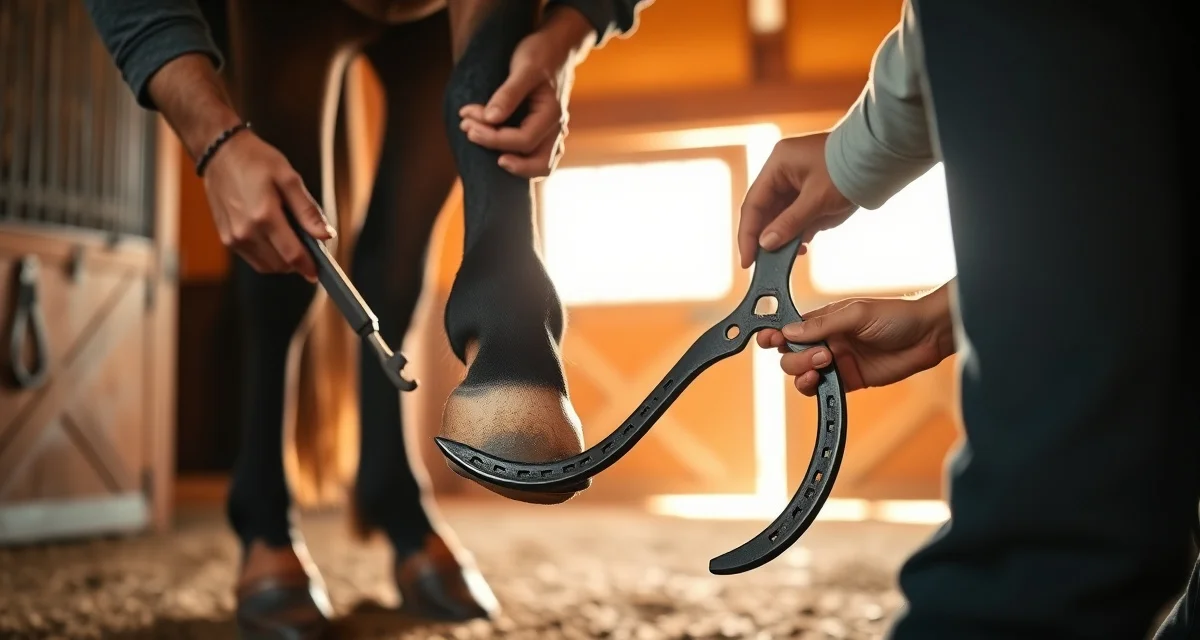
How Often Should a Horse Be Shod? The Complete Answer
Most horses need shoeing every 6-8 weeks. That's the answer most people have heard, and it's a useful starting point. But horses in active work need shoeing an average of 2.3 weeks sooner than horses at pasture rest. The real answer is more nuanced, and understanding the factors that drive the right interval for each horse is what separates good farrier care from a one-size-fits-all approach.
TL;DR
- The standard 6-8 week shoeing interval is a starting point, not a fixed rule - active horses average 2.3 weeks sooner than pasture horses.
- Work intensity, terrain, breed, discipline, and season all shift the appropriate interval for individual horses.
- Friesians often need visits every 4-5 weeks; reining and barrel horses during competition season typically need 4-6 weeks.
- Going too long between shoeings causes hoof flare, white line separation, broken-back hoof-pastern angles, and loose shoes.
- Reshoeing too frequently can also cause problems, as new nail holes need to form in fresh wall rather than adjacent to previous holes.
- Managing a book of 40-60 horses each on different intervals requires a scheduling system - tracking it mentally or in a spreadsheet leads to horses falling through the cracks.
The Variables That Change the Interval
Work intensity. A horse in daily training, competing regularly, or doing sustained athletic work grows hoof faster and wears shoes faster than a pasture horse that's ridden lightly a few times per week. Active work means compressed intervals.
Terrain. Rocky, hard, or abrasive terrain wears shoes faster than soft arena footing or grass. A trail horse doing mountain mileage on granite and shale may need new shoes in 5 weeks. The same horse on soft forest trails might go 7 weeks.
Breed. Some breeds grow hoof faster. Friesians, for example, often need visits every 4-5 weeks. Arabians and Thoroughbreds with thinner walls may need attention at the shorter end of the range. Mustangs with naturally dense walls can sometimes stretch slightly longer.
Discipline. Reining horses need sliding plates replaced every 4-6 weeks during training season. Barrel racers on an active competition schedule need 4-6 weeks. Pleasure horses in light work can often go 7-8 weeks.
Season and climate. In warm, humid climates with good nutrition, hoof growth accelerates. In cold winters, growth slows. Northern farriers often see their clients stretch to 8 weeks in January and compress to 5-6 weeks in the active summer months.
Individual hoof quality. This is the factor that overrides everything else. Some horses simply grow hoof faster or have hooves that wear or degrade more quickly than average. Your assessment of the specific horse in front of you is always the final word.
Matching the Interval to the Horse
The most practical approach is to set an interval for each horse based on your assessment at the first visit and then adjust as you see how that horse's hooves respond. FarrierIQ's hoof cycle tracking makes this easy, letting you set individual intervals per horse and track whether the interval is working or whether adjustment is needed.
For a book with 50 horses, you'll have horses on everything from 4-week cycles for competition athletes to 8-week cycles for pleasure horses in light work. Managing all of those individually is exactly what a farrier business management app is for.
What Happens When Horses Go Too Long
The consequences of extending the shoeing interval too far are gradual and sometimes hard to see until the problem is established.
Overgrown hoof walls flare outward at the toe and quarters. The flare creates use on the white line that can cause white line separation and allow bacteria entry. The hoof angle changes as the toe grows long, breaking back the hoof-pastern angle and putting increased stress on the navicular area and deep digital flexor tendon.
Shoes that have been on too long become loose. A loose shoe is a liability, both because it may pull off at an inconvenient time and because the movement of a loose shoe creates additional stress on the hoof wall.
What Happens When Horses Go Too Short
Reshoeing more frequently than necessary is less common than going too long, but it happens. Some competition horses that are seen every 3-4 weeks are being maintained at a frequency that exceeds what their hoof biology actually requires. The hoof needs time to grow and allow the new nail holes to form in fresh wall rather than immediately adjacent to the previous set of holes.
The Role of Your Farrier Scheduling Software
Keeping a book of 40-60 horses each on appropriate intervals would be impossible without a system. FarrierIQ's interval-based scheduling automatically calculates each horse's next due date from the completion of their last visit and sends appointment reminders to owners when the date approaches. No horse falls through the cracks because you're managing the calendar in a spreadsheet or mentally.
Frequently Asked Questions
How often should a pleasure horse be shod?
Most pleasure horses in moderate work do well on a 6-8 week schedule. The specific interval depends on the horse's hoof growth rate, the terrain they work on, and the season. Horses in light work on soft surfaces can often go 7-8 weeks. Those ridden more frequently or on harder terrain may need 6 weeks.
Does a horse in work need shoeing more often?
Yes, typically. Active work accelerates hoof growth through increased blood circulation and physical demands, and it also wears shoes faster. Horses in daily athletic work are often on 5-7 week schedules, while horses in light use may go 7-8 weeks.
What factors affect how often a horse needs a farrier?
The primary factors are work intensity, terrain, breed characteristics, discipline-specific demands, climate, season, and individual hoof growth rate. A horse's previous shoeing history and any ongoing hoof health concerns also affect the appropriate interval. Your assessment of each individual horse is the most reliable guide to the right cycle.
Can a horse's shoeing interval change over time?
Yes, and it often does. A horse moving from light trail riding into regular competition will likely need to shift from a 7-8 week cycle to a 5-6 week cycle. Seasonal changes, retirement from active work, or a move to different terrain can all warrant a reassessment. Reviewing the interval at each visit and adjusting based on what you observe in the hoof is standard practice for experienced farriers.
How do I know if I've set the wrong interval for a horse?
The hoof tells you. If you're arriving to find significant flare, a broken-back hoof-pastern angle, or a shoe that's already loose or shifted, the interval is too long. If the horse consistently has minimal growth and the nail holes from the previous set are still well-positioned in fresh wall, you may be able to extend slightly. Tracking these observations visit-over-visit is the most reliable way to dial in the right cycle for each individual horse.
Does barefoot trimming follow the same interval guidelines?
Generally, yes, though barefoot horses are often trimmed on a slightly shorter cycle - every 4-6 weeks - because without a shoe to protect the hoof, wear and chipping can become a problem faster. The same variables apply: work intensity, terrain, breed, and individual growth rate all affect how quickly a barefoot horse needs attention.
Sources
- American Farrier's Association (AFA) - industry standards and farrier education resources
- University of Minnesota Extension, Horse Program - hoof care and horse management guidelines
- The Horse: Your Guide to Equine Health Care - editorial coverage of hoof health and farriery research
- Cornell University College of Veterinary Medicine, Equine and Nemo Farm Animal Hospital - hoof anatomy and lameness resources
- Equine Lameness Prevention Organization (ELPO) - farrier and veterinarian collaboration guidelines
Get Started with FarrierIQ
FarrierIQ is built around exactly the kind of per-horse interval management this article describes - letting you set individual shoeing cycles, track hoof observations visit over visit, and automatically calculate next-due dates so no horse in your book gets overlooked. If you're managing 30, 50, or more horses across different disciplines and schedules, try FarrierIQ free and see how much easier it is to keep every cycle on track.