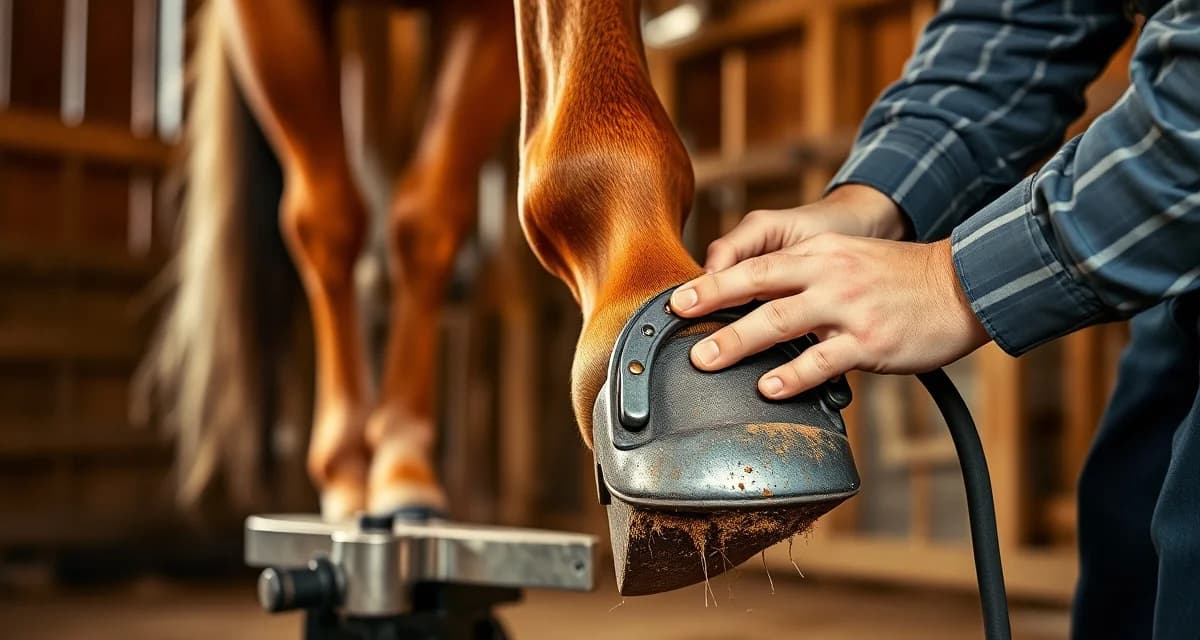
How Often Should a Barrel Racing Horse Be Shod?
Barrel horses compete on dirt surfaces that create lateral traction forces three times greater than trail riding. That's not a marginal difference. The explosive starts, tight turns, and maximum drive home of the barrel pattern subject the hooves to demands that accelerate shoe wear and make consistent farrier care a genuine competitive factor.
The standard for active barrel horses is 4-6 weeks. Most serious barrel racers land at 4-5 weeks during competition season.
TL;DR
- Active barrel horses need shoeing every 4-6 weeks, with most serious competitors scheduling at 4-5 weeks during competition season.
- Lateral forces at the barrel turn are three times greater than trail riding, accelerating shoe wear and nail retention loss faster than most other disciplines.
- A barrel horse going 8 weeks between shoeings when it should be at 5 will often show performance decline, running wider and less aggressively into turns, before hoof problems become visible.
- The ideal pre-competition farrier visit is 7-10 days before a major event, giving the horse time to settle into new shoes without soreness from nailing.
- Shoe wear patterns on barrel horses carry diagnostic information about how the horse is running its pattern, and tracking them over time adds real value to a competitive program.
- Full shoeing for a barrel horse typically runs $120-180 per visit in most markets, with the shorter interval meaning higher annual farrier costs than a pleasure horse on a 7-8 week schedule.
Why Barrel Horses Need Shorter Intervals
Lateral forces at the barrel. The tight turns around each barrel put enormous force on the outside hoof of the turn. That force creates torque through the hoof, works against the shoe's nail retention, and wears the shoe's traction surface faster than straightforward work would.
Hard starts and runs. The pattern begins from a dead stop to maximum effort. The force through the hind feet on that initial drive is substantial.
Competition frequency. A barrel horse competing every other weekend, plus regular arena practice, is accumulating considerably more athletic work than a pleasure horse with similar body weight.
Traction dependency. The barrel turn requires confident grip. A horse that slips at a barrel will guard against it. Maintaining traction through fresh shoes is directly connected to how confidently the horse runs its pattern.
What Happens When Barrel Horses Go Too Long
A barrel horse at 8 weeks when they should be at 5 weeks will often show it in their performance before it shows in the hooves. They run wider. They're less aggressive into the turn. They may lose a shoe mid-run, which is an immediate problem at a jackpot. Eventually, the hoof balance changes enough that soundness issues develop.
Trainers and serious barrel racers notice these changes. The farrier who keeps horses on proper intervals and maintains consistent shoe specifications for performance horses is an essential part of a competitive barrel racing program.
Scheduling Around the Competition Calendar
FarrierIQ's scheduling app keeps your barrel clients on their intervals and helps you time visits around competition. The ideal window for a pre-event visit is 7-10 days before a major competition. Fresh shoes, but with enough time for the horse to settle and not be sore from nailing.
Avoid visiting the day before a major event. The horse should have settled into the new shoes before competing.
Shoe Wear Patterns as Information
Where a barrel horse's shoes wear tells you about how the horse is running its pattern. Heavy wear on the outside of the hind shoes at the turn indicates the horse is really driving through. Unusual wear on specific feet may indicate the horse is favoring a side or not driving symmetrically.
Tracking this shoe wear pattern in FarrierIQ's hoof health records builds a picture of the horse's movement over time. Combine that with trainer feedback about run times and pattern performance, and you're building a record that makes you genuinely useful to the competitive program. Farriers who document these details consistently are better positioned when it comes to retaining high-value performance horse clients over the long term.
Frequently Asked Questions
What type of shoes do barrel horses use?
Most barrel horses wear a standard steel keg shoe or a performance shoe on the fronts, often with a slightly rounded or squared toe for breakover. The hinds typically carry a creased or rimed shoe for traction, with some horses wearing mild heel caulks for additional drive. The specific setup depends on the horse's movement, the arena surface, and what the horse responds to.
How much does it cost to shoe a barrel racing horse?
Barrel horse shoeing runs at standard farrier rates for the region, with the understanding that the 4-6 week interval means more annual visits than a pleasure horse. In most markets, a full set runs $120-180. Some farriers apply a modest premium for performance horse work or for specific traction configurations. Annual farrier cost for an active barrel horse is higher than for a horse on a standard 7-8 week pleasure schedule.
How do I schedule farrier visits around barrel racing events?
Book your regular visits on the 4-6 week interval, then adjust timing relative to major competition. Aim to be 7-10 days out from important events, with the visit completed early enough in the week that the horse has settled before the weekend competition. FarrierIQ's scheduling allows you to plan those competition-aware windows and set reminders that prevent visits from falling at inconvenient times relative to your show calendar.
Can a barrel horse compete in hoof boots instead of traditional shoes?
Some barrel racers have experimented with performance hoof boots, particularly for horses with hoof sensitivity or during rehabilitation. However, most active competitors stick with nailed shoes because boots can shift under the lateral forces of a tight barrel turn, creating unpredictable traction. Boots are more commonly used as a temporary measure between shoeing cycles or during conditioning work, not as a primary competition setup.
Does arena surface affect how often a barrel horse needs to be shod?
Yes, surface type has a real impact on shoe wear rate. Deep, sandy arenas tend to wear shoes faster than packed dirt or clay surfaces. Horses competing primarily on abrasive or inconsistent surfaces may need to trend toward the shorter end of the 4-6 week range. Farriers working with barrel clients should ask about the primary practice and competition surfaces when setting interval expectations.
Should barrel horses be shod differently in winter versus summer?
The core shoeing setup usually stays consistent year-round, but some farriers and trainers adjust traction configurations seasonally. In wet or muddy winter conditions, horses may need more aggressive traction on the hinds. In dry summer conditions, the focus shifts back to breakover and lateral stability. The interval itself, 4-6 weeks, generally holds regardless of season for horses in active work.
Sources
- American Farriers Journal, Lessiter Media
- American Association of Equine Practitioners (AAEP), Farriery and Hoof Care Guidelines
- University of Kentucky College of Agriculture, Food and Environment, Equine Science and Technology Program
- Professional Rodeo Cowboys Association (PRCA), Animal Welfare and Care Standards
- The Horse: Your Guide to Equine Health Care, Equine Network
Get Started with FarrierIQ
If you're managing barrel racing clients with tight competition schedules and short shoeing intervals, FarrierIQ gives you the scheduling and hoof record tools to stay ahead of those windows without relying on memory or paper notes. Track shoe wear patterns, set competition-aware reminders, and build the kind of documented history that makes you indispensable to a serious barrel program. Try FarrierIQ free and see how it fits your client roster.