How Often Should a Draft Horse Be Shod?
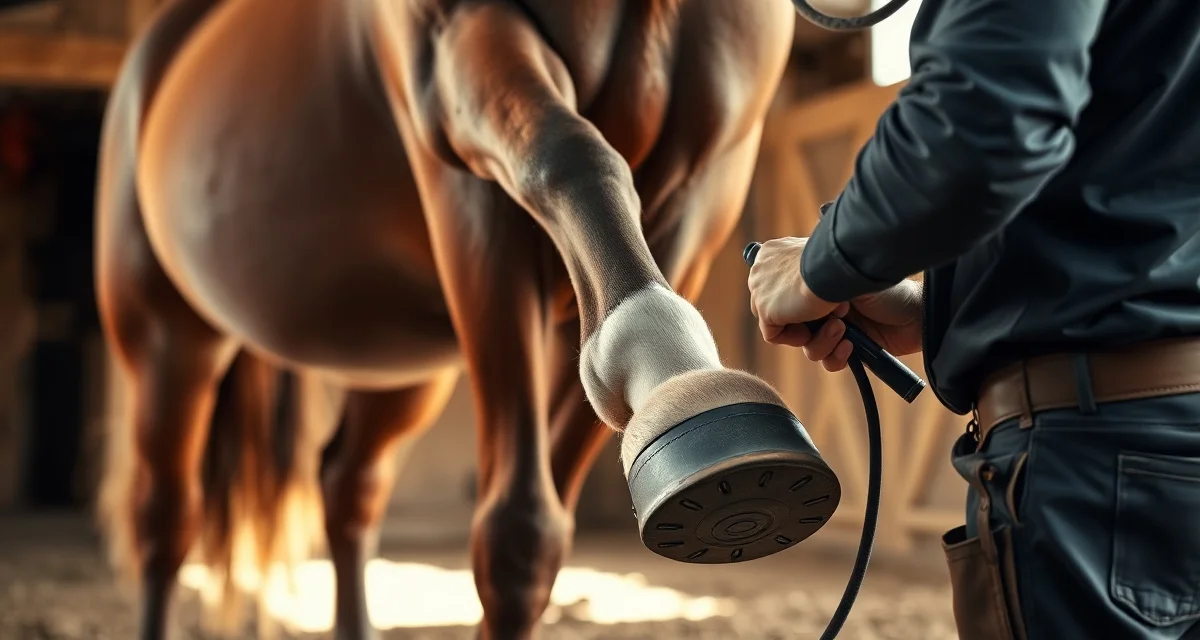
Draft horse shoes weigh an average of three times more than standard light horse shoes due to size. That material difference is a visual reminder of how fundamentally different working on a draft horse is from a standard light horse visit. But the interval between visits? For most draft horses, it's similar to other breeds: 6-8 weeks.
The difference isn't in how often you visit. It's in how long each visit takes and what it costs.
TL;DR
- Draft horses need farrier visits every 6-8 weeks, the same general interval as light horses, but each visit takes longer and costs more.
- Heavy working farm drafts may need visits closer to every 6 weeks; pasture or lightly used drafts can often go 7-8 weeks.
- Draft horse shoeing costs approximately 35% more per visit than standard light horse shoeing, reflecting larger shoes, more nails, and extra time.
- A full set on a well-behaved draft horse typically takes 90-120 minutes, compared to 60-90 minutes for a standard light horse.
- Pulling competition horses may need reshoeing before major events during active season, even if their regular interval stays in the 6-7 week range.
- Road carriage draft horses have specific traction needs for hard surfaces that can compress the interval compared to soft ground farm work.
- Setting clear pricing expectations with draft horse owners before the first appointment prevents confusion about the higher per-visit cost.
The Standard Draft Horse Interval
Belgians, Clydesdales, Percherons, Shires, and their draft crossbreeds generally need farrier visits every 6-8 weeks. The same factors that affect interval for light horses apply to drafts: work intensity, terrain, individual hoof growth rate, and the specific demands of what the horse is doing.
A working farm draft doing daily farm chores, including field work and hauling, may compress toward 6 weeks. A draft horse in light use or pasture maintenance can often go 7-8 weeks.
Pulling Competition Draft Horses
Competition pulling horses are a distinct case. The pulling season creates a period of intensive use where fresh, sharp cleats matter for performance. Some pulling competitors prefer to reshoe before major events rather than running on worn cleats that have accumulated 5-6 weeks of use.
During competition season, pulling horses may effectively be on a shorter functional interval because of the performance demands, even if the actual visit frequency stays in the 6-7 week range.
Draft Horses Used for Carriage and Road Driving
Draft horses doing road carriage driving have specific needs related to hard surface traction. These horses need shoes with appropriate traction devices for pavement, and the wear pattern from road driving is different from arena or field work. Hard surface driving may compress the interval slightly compared to soft ground farm work.
When to Shorten the Draft Horse Interval
Consider more frequent visits for draft horses when:
- The horse is in heavy daily working use
- The terrain is unusually abrasive or rocky
- Hoof quality issues exist that benefit from more frequent monitoring
- The horse is a pulling competitor during active competition season
- Any therapeutic hoof management is in progress
What to Expect Cost-Wise
Because draft horse appointments take longer and require more material, the cost per visit is higher than for light horses. Draft horse hoof care costs approximately 35% more per visit on average than standard light horse shoeing.
Horse owners who are new to draft horses sometimes don't anticipate this difference. Setting clear expectations about draft horse farrier pricing before the first appointment prevents confusion.
FarrierIQ's pricing tools help farriers communicate clearly about draft horse pricing and track those accounts appropriately.
Frequently Asked Questions
How much does it cost to shoe a draft horse?
Draft horse shoeing typically costs 30-50% more than comparable light horse service. A full set of shoes that costs $130-150 for a Quarter Horse might run $175-220 for a Belgian or Clydesdale, reflecting the larger shoes, additional nails, and extra time required. Specialty shoeing for competition or therapeutic purposes adds to these baseline costs.
Do draft horses need special shoes?
Standard steel keg shoes scaled to draft horse size work for most pleasure and light working draft horses. Competition pulling horses need specialized shoes with traction cleats. Road driving and carriage draft horses need traction devices appropriate for hard surfaces. Therapeutic cases may require draft-sized specialty shoes. Your farrier will assess what each specific horse needs.
How long does it take to shoe a draft horse?
A full set on a well-behaved draft horse typically takes 90-120 minutes, compared to 60-90 minutes for a standard light horse full set. The larger shoe size means more shaping time, and holding a draft horse's foot requires more physical effort. First visits with new draft horses, or difficult horses, may take considerably longer.
Can draft horses go barefoot instead of being shod?
Some draft horses in light use on soft or mixed terrain do well barefoot, particularly those used primarily for pasture work or occasional light driving. The decision depends on hoof quality, work surface, and the individual horse's comfort. A farrier familiar with draft breeds can assess whether a barefoot or booted approach is appropriate, or whether shoes are needed for the horse's specific workload.
How do I find a farrier experienced with draft horses?
Not all farriers regularly work on draft breeds, and the physical demands are meaningfully different from light horse work. Ask local draft horse breed associations, pulling clubs, or carriage driving groups for referrals. When contacting a farrier, ask directly how many draft horse clients they currently serve and whether they have experience with your specific breed.
Does hoof growth rate differ between draft breeds?
Hoof growth rate varies more by individual horse than by draft breed, but environmental factors like diet, season, and workload affect all horses similarly. Drafts on high-quality forage and in active work tend to grow hoof faster than horses in light use. Your farrier will observe growth patterns over the first few visits and help you dial in the right interval for your specific horse.
Related Articles
Sources
- American Farriers Journal, Lessiter Media
- Brotherhood of Working Farriers Association (BWFA)
- University of Minnesota Extension, Horse Program
- Draft Horse Journal, Millstream Media
- American Association of Equine Practitioners (AAEP), Hoof Care Guidelines
Get Started with FarrierIQ
Managing draft horse accounts means tracking longer appointment times, higher material costs, and clients who may be new to the breed's specific pricing. FarrierIQ makes it straightforward to build draft horse pricing into your invoices, schedule the extra time these appointments require, and keep hoof records that reflect each horse's individual interval. Try FarrierIQ free and see how it fits your working schedule.