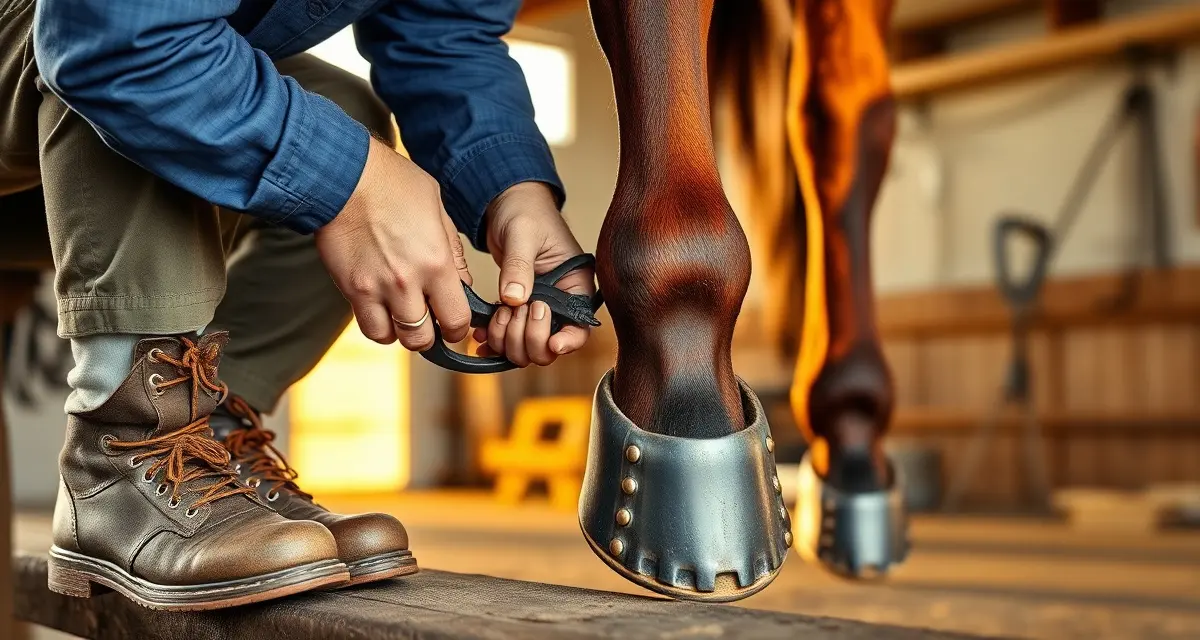
Farrier Scheduling for Endurance Horses: Miles of Hoof Care
Endurance riding is the only equestrian discipline where the hoof care plan directly intersects with a veterinary examination mid-competition.
TL;DR
- Endurance horses competing in 50-mile rides wear through shoes at the equivalent rate of 3 weeks of regular riding -- plus, a horse showing hoof problems at a mid-competition vet check may be pulled from the ride entirely.
- The pre-ride shoeing window is 10-21 days before the event: horses need time to fully adjust to fresh shoes and resolve any post-shoeing soreness before 50-100 miles of competition -- shoeing within 5 days of a ride is too close.
- Post-ride assessment within 3-7 days catches hoof wall stress, sole bruising, and clinch looseness before the next training block -- document findings in the horse's record and note any vet check comments from the ride.
- Barefoot endurance horses using hoof boots need trimming every 4-5 weeks to maintain the hoof shape that allows boots to fit and seal correctly -- a poorly fitted boot that lets in debris mid-ride is a bigger problem than the boot itself.
- Borium or carbide hardface is standard practice for mountain ride terrain (Tevis Cup, Old Dominion, Pacific Northwest rides) -- discuss terrain-specific shoe setup with clients when their season calendar is known.
- Endurance riders are meticulous record-keepers who expect the same from their farrier: document shoe setup, angles, modifications, pre/post-ride notes, vet check feedback, and terrain type competed on at each cycle.
- Active endurance horses need visits every 4-6 weeks, with the specific interval anchored to the competition calendar rather than a fixed day count. At every vet check in an AERC-sanctioned ride, a vet grades hoof condition among other soundness parameters, and a horse that's showing early signs of sole bruising, hoof wall separation, or breakover problems at mile 30 may not be cleared to continue. Endurance horses competing in 50-mile rides wear through shoes at the equivalent rate of 3 weeks of regular riding. The stakes if the shoe fails mid-ride are higher than almost any other discipline.
If you're servicing endurance horses, you're working with clients who care deeply about hoof care and understand its role in their sport. They also tend to have strong opinions, often informed by months of research on barefoot versus shod, boot versus shoe, and the specific footing of their home trails. FarrierIQ's hoof health records and sport horse scheduling tools help you document and manage these horses with the detail the discipline demands.
Pre-Ride Timing: When to Shoe Before an Endurance Event
The window for shoeing before an endurance ride is one of the most debated topics among endurance farriers. Here's the current consensus based on practitioner experience:
The target window is 10-21 days before the ride. This gives the horse enough time to fully adapt to fresh shoes, clinches to set, and any post-shoeing foot soreness to resolve, while keeping the shoes fresh enough that wall growth hasn't significantly affected breakover or balance by ride day.
Avoid shoeing within 5 days of a ride. Horses occasionally show subtle foot soreness in the first few days post-shoeing, even when the work is excellent. In a 50-mile competition, subtle foot soreness at mile 10 becomes significant foot soreness at mile 40. The risk isn't worth it.
Avoid the 6-8 week interval if a ride falls in that window. If a client's regular 6-week interval would place their shoeing at 5 or 6 weeks before a 100-miler, consider pulling the interval in to 4-5 weeks to get them into the target window.
The pre-ride shoeing window is one of the first custom features to configure in your client records. FarrierIQ's overdue horse alerts can flag when a horse is approaching an event window with a shoeing that may be too fresh or too old.
Post-Ride Assessment
Many farriers who work with endurance horses offer a post-ride assessment, either as a separate service or as part of a follow-up visit. Here's what you're looking at:
Hoof wall condition. 50 and 100-mile rides on varied terrain (rock, hardpan, sand, mud) create stress patterns on the hoof wall that aren't always visible immediately post-ride but become apparent within a few days as the hoof dries. Cracks, flares, and separation at the white line are the most common findings.
Sole bruising. Sole bruising may not be visible to the eye but will be apparent in the horse's movement and gait. If a vet flagged the horse at a vet check for slight foot soreness, your post-ride inspection should include careful attention to sole sensitivity.
Nail and clinch integrity. After a long ride over varied footing, nails can work slightly loose even if the shoe stays on. Check every clinch for movement.
Shoe wear. Compare the post-ride shoe wear to what you'd expect from a typical 3-week period. On a rocky trail ride, the wear may exceed that significantly. Use this to calibrate your next interval recommendation.
Barefoot and Hoof Boot Endurance Horses
A significant portion of the endurance community uses boots, not permanent shoes. If you work with endurance clients, you'll likely have both shod and booted horses in your book.
For barefoot horses using hoof boots: your role is trim interval management. A barefoot endurance horse on active training needs trimming every 4-5 weeks to maintain the balanced, tight-walled hoof shape that allows hoof boots to fit correctly and seal against dirt and moisture. A poorly fitted boot that lets in debris is more likely to cause a problem mid-ride than a well-fitted boot on a well-trimmed hoof.
Many endurance riders use a hybrid approach: shoes on the fronts (which take more impact on downhills and technical terrain) with boots as needed on the hinds, or boots on all four but only for specific ride conditions. Understand your client's strategy and schedule accordingly.
Shoe and Pad Selection for Endurance
Shoe selection for endurance horses is driven by the terrain, the horse's hoof quality, and the rider's philosophy. Here's a practical guide:
Steel keg shoes: The standard choice for most shod endurance horses. Durable, takes modifications well, appropriate for mixed terrain.
Borium or carbide hardface: For horses competing on sustained rocky terrain (think Tevis Cup, Old Dominion, or rides in the Pacific Northwest), adding borium to the shoe heels and sometimes toe significantly extends shoe life and grip on rock. Many experienced endurance farriers consider this standard practice for mountain ride terrain.
Lightweight aluminum: Some endurance farriers and riders prefer aluminum for the weight savings over long distances. The tradeoff is faster wear. On mixed-terrain rides under 50 miles, aluminum is often fine. For 100-mile rides on hard terrain, steel with hardface may be more appropriate.
Pads: Horses with thin soles benefit from pads on rocky terrain rides. Full leather pads with pack provide sole protection for the duration of the ride. Some farriers use impression material rather than traditional pack for better sole conformation.
Sole protection: Many competitive endurance horses have a paste or gel impression material under pads to protect the sole from rock bruising. This is especially relevant for horses competing at rides known for rocky terrain.
The Endurance Athlete Approach to Records
Endurance riders are meticulous record-keepers, often tracking fitness metrics, pulse rates, and hoof health data in considerable detail. They expect their farrier to do the same.
For each endurance horse in your book, document:
- The shoe setup, angles, and any modifications at each visit
- Pre-ride and post-ride notes
- Any concerns flagged at AERC vet checks (clients should share this with you)
- Terrain of the rides competed in during that shoeing cycle
- Hoof wall condition trends over multiple visits
This level of documentation builds enormous trust with endurance clients and protects you if a hoof issue is questioned at a vet check.
Frequently Asked Questions
How often do endurance horses need farrier care?
Active endurance horses typically need visits every 4-6 weeks, with the specific interval determined by the horse's training schedule, hoof quality, and the terrain they cover. The most important scheduling consideration is aligning visits with the competition calendar. Aim to shoe 10-21 days before each major ride, and avoid shoeing within 5 days of any event. Post-ride assessments within 3-7 days of a 50 or 100-mile ride are valuable for catching hoof wall stress, sole bruising, and nail integrity issues before the next training block begins.
What hoof care is needed before an endurance ride?
The pre-ride checklist for endurance horses includes: confirming shoes are within the 10-21 day window before the ride, checking that all nails and clinches are tight with no movement, inspecting hoof wall for any cracks or flares that might worsen during the ride, evaluating sole thickness and adding pads if rock protection is warranted for the specific ride's terrain, and confirming borium or traction devices match the expected footing. For barefoot horses using hoof boots, the trim should be current (within 4 weeks) and the boots should be fitted and confirmed before the ride weekend.
How do I track endurance horse hoof condition after long rides?
Document post-ride hoof condition in the horse's record within 3-7 days of each competition. Note any hoof wall stress visible post-ride, sole sensitivity findings, clinch integrity, and shoe wear relative to the interval. If the horse's vet noted anything hoof-related at an AERC vet check, include that information. FarrierIQ's hoof health records let you log this data per visit and track trends over multiple shoeing cycles. Over time, this record shows whether a horse's hoof quality improves, degrades, or stays consistent across competition seasons. That information is invaluable for adjusting the shoe setup and interval as the horse's career progresses.
How should a farrier handle an endurance client who wants to change shoe setup mid-season?
Changes mid-season carry more risk than changes at season start because there's less time to observe how the horse adapts before the next major ride. When a client requests a setup change during the competition season, discuss the timing before implementing it. If a 100-miler is 6 weeks away, this cycle's shoeing is not the time to experiment with a new shoe type -- the horse needs the full 10-21 day pre-ride window to adjust, plus time to confirm the new setup is working in training. If the change is coming at the recommendation of a vet following a specific hoof issue, that's a different calculation. Document the change, the reason, and the client's response carefully in FarrierIQ's hoof health records so there's a clear record if the vet or client revisits the decision later in the season.
Do endurance horses benefit from different shoeing in their off-season vs. competition season?
Yes, in most cases. During the off-season, when training intensity and mileage drop substantially, an endurance horse may not need the same level of traction hardware or sole protection. Some horses transition to lighter shoes or extended barefoot periods in their off-season, which reduces cost and allows the hoof to recover from the mechanical stress of heavy competition. The key is giving the hoof enough recovery time before the next season to address any wall quality, white line, or sole thickness concerns that accumulated during competition. A thorough off-season assessment visit -- separate from a regular trim -- lets you evaluate the hoof's baseline condition before building the next season's shoe plan.
Sources
- American Endurance Ride Conference (AERC), endurance horse care standards and vet check guidelines
- American Farrier's Association (AFA), performance horse scheduling and endurance horse resources
- American Association of Equine Practitioners (AAEP), equine hoof care and lameness evaluation guidelines
- USDA Forest Service, equestrian trail standards relevant to terrain-based shoe selection
Get Started with FarrierIQ
Endurance horses require pre-ride and post-ride scheduling that no generic calendar app handles -- FarrierIQ's sport horse scheduling tracks AERC competition dates for each horse, and the hoof health records capture the pre/post-ride documentation that endurance clients and their vets expect. Try FarrierIQ free and set up your first endurance horse's competition calendar before the season starts.