American Saddlebred Shoeing Guide: Show Ring Shoeing for the Peacock of the Show World
American Saddlebreds are called the "Peacock of the Show World" for a reason - they're brilliant, dramatic, high-moving horses that put on a spectacle in the ring. They're also the subject of some of the most specialized shoeing in all of equestrian sport.
TL;DR
- Show Saddlebreds in five-gaited and three-gaited classes wear heavy steel shoes with stacked pads adding 2-4 inches of height, producing the dramatic high-action gait judges reward.
- Saddlebred show shoeing is governed by ASHA and USEF regulations that set limits on shoe weight, pad height, and related equipment - knowing these rules is a professional obligation.
- Show Saddlebreds require re-shoeing every 4-5 weeks due to the demanding nature of the padded configuration.
- Transitioning a horse from show to pleasure shoeing must be gradual - sudden removal of pads can cause soreness because tendons and ligaments have structurally adapted to the padded setup.
- Years of heavy show shoeing can damage hoof wall quality and heel structure, so careful assessment is essential when taking on a recently retired Saddlebred.
- This is a specialty that requires mentorship - do not attempt show Saddlebred work from instructions alone.
If you're working with gaited Saddlebred show horses for the first time, understand that this is a specialty with its own rules, standards, and techniques that go significantly beyond standard farrier work.
Saddlebred Hoof Characteristics
The Natural Foot
American Saddlebreds have a naturally refined, elegant foot consistent with their Thoroughbred-influenced breeding. The natural foot is:
- Lighter and narrower than a stock horse
- Well-angled with a naturally good hoof-pastern axis
- Less robust than Quarter Horse or draft feet
- Susceptible to stress from the heavy, padded shoes used in show classes
The show ring version of the Saddlebred foot looks nothing like the natural foot. That's the point of the shoeing program - to create action and expression that exceeds what the natural foot produces.
Show Saddlebred Shoeing
The Padded Shoe Concept
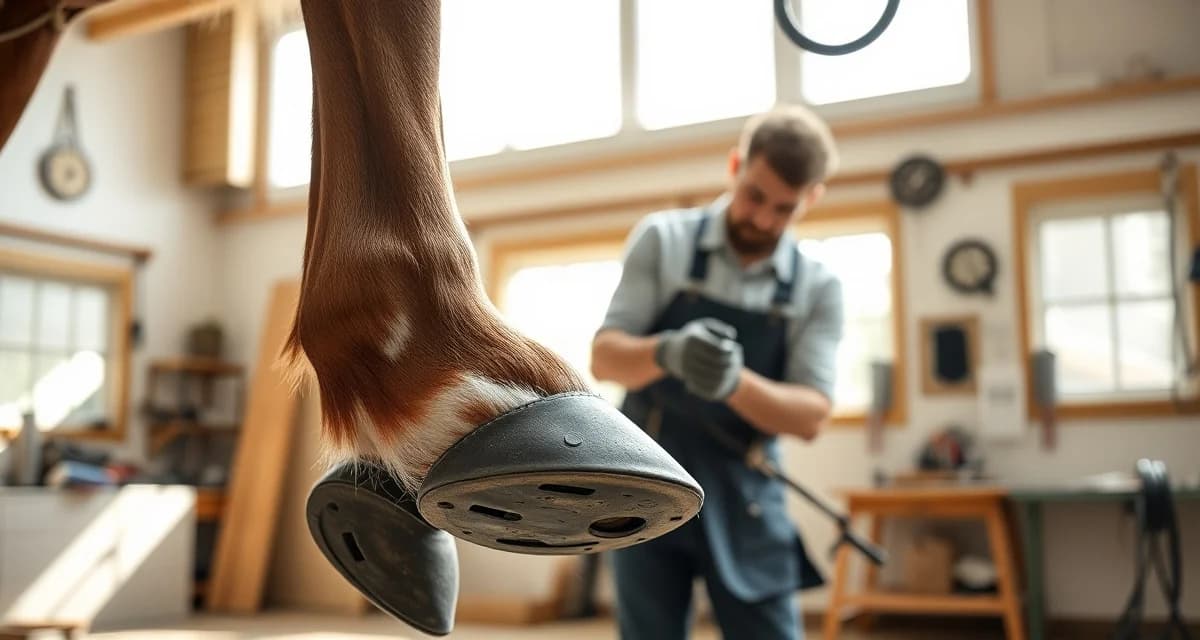
Saddlebred show horses in the five-gaited and three-gaited classes wear heavy, padded shoes designed to dramatically increase foot action. The front feet typically carry:
- Heavy steel shoes (much heavier than standard keg shoes)
- Stacked pads adding 2-4 inches of height
- Sometimes lead or brass weighted shanks
- Specific toe lengths that produce the dramatic "digging" motion of the show-ring gait
The effect is a horse that moves with extreme knee and hock action - high, dramatic, theatrical. The judges reward this expression. The combination of weight and toe length produces it.
Understanding the Rules and Ethics
Saddlebred show shoeing operates under association rules (American Saddlebred Horse Association, USEF). There are regulatory limits on shoe weight, pad height, and related equipment.
Unlike the Tennessee Walking Horse industry, where soring has been a documented problem, the Saddlebred industry has a better compliance record, though heavy shoe configurations do stress the horse's foot and limb structure. As a farrier working in this space, understanding the rules and working within them is your professional obligation.
Before working on show Saddlebreds, learn the current ASHA and USEF regulations for the classes being shown. Work with an experienced mentor if you're new to this specialty.
What Show Shoeing Actually Involves
Fitting and applying Saddlebred show packages requires:
- Ability to select and adjust heavy steel shoes
- Proficiency with multi-layer pad construction
- Understanding of how toe length and pad height interact to produce the desired action
- Knowledge of how to fit equipment that won't fail at speed in the show ring
- Regular (4-5 week) re-shoeing cycles to maintain the configuration
This is skilled work that takes specific training beyond general farriery. Don't attempt show Saddlebred work from instructions alone - apprentice with someone who does it well.
Pleasure Saddlebred Shoeing
Pleasure Saddlebreds and retired show horses are shod much more conservatively, often in standard keg shoes appropriate to their foot size.
The key issues when working with horses transitioning from show shoeing to pleasure work:
Decompression
A horse that has been in heavy padded shoes for years has adapted structurally to that setup. Moving to a lighter shoe needs to be gradual - the horse's tendons and ligaments have accommodated to the padded configuration. Sudden removal of the pads can cause soreness as the horse readjusts.
Work with the owner and their vet to plan a decompression schedule over several shoeings.
Natural Hoof Condition
Years of heavy show shoeing can stress hoof wall quality and heel structure. Assess carefully when taking on a recently retired Saddlebred. There may be heel damage, white line issues at the nail holes, or wall quality concerns from the years of heavy shoes.
The Natural Gait
Without the show shoes, Saddlebreds often move beautifully in their natural way of going. Many pleasure Saddlebred owners are happy to see their horses expressing natural movement. Your job is to support that natural movement with appropriate balance and shoe selection.
Related Articles
FAQ
How often do American Saddlebreds need shoeing?
Show Saddlebreds in heavy padded show shoeing are typically on 4-5 week cycles - the shoe configuration is demanding and needs regular maintenance. Pleasure Saddlebreds in standard shoes follow standard 5-6 week cycles.
What shoes are used for American Saddlebred show horses?
Show class Saddlebreds wear heavy steel shoes with multi-layer pads (leather and rubber combinations) and specific toe length configurations. The exact setup varies by class, association rules, and individual horse requirements. This is specialized equipment that requires specific expertise to fit correctly.
Can you transition a show Saddlebred to pleasure shoeing?
Yes, but gradually. A horse in heavy padded show shoes that is moved immediately to a flat standard shoe will be uncomfortable - the leg structure has adapted to the padded configuration. Gradual decompression over several shoeings, ideally in consultation with the vet, allows the horse to adjust safely.
Is Saddlebred show shoeing harmful to the horse?
Heavy padded show configurations do place additional stress on the hoof wall, heel structure, and soft tissues of the lower limb. The Saddlebred industry operates under ASHA and USEF regulations designed to set limits on this stress. Farriers working in this specialty have a responsibility to stay within those regulatory limits and to flag any horse showing signs of lameness or hoof deterioration to the owner and veterinarian.
How do I find a mentor for Saddlebred show shoeing?
The American Farrier's Association and regional farrier associations are good starting points for connecting with experienced practitioners. Attending Saddlebred breed shows and introducing yourself to the farriers working on-site is often the most direct route. Many experienced Saddlebred farriers are willing to bring on apprentices who demonstrate genuine commitment to learning the specialty correctly.
What should I document when shoeing a show Saddlebred?
Keeping detailed hoof records for each shoeing cycle is important in this specialty. Note the shoe weight, pad configuration, toe length, and any changes made from the previous cycle. This documentation helps you track how the horse is responding over time and provides a clear record if questions arise about the shoeing program from the owner, trainer, or a regulatory official.
Sources
- American Saddlebred Horse Association (ASHA), breed standards and show regulations
- United States Equestrian Federation (USEF), rulebook for Saddlebred division equipment and shoeing restrictions
- American Farrier's Association (AFA), specialty farriery education resources
- University of Missouri Extension, equine hoof care and lameness prevention publications
- The Farrier's Journal, industry coverage of gaited horse shoeing techniques
Get Started with FarrierIQ
Managing a specialty client base that includes show Saddlebreds means tracking tight 4-5 week re-shoeing cycles, detailed pad and shoe configurations for each horse, and decompression schedules for horses transitioning to pleasure work. FarrierIQ keeps all of that in one place - hoof records, scheduling, and invoicing built specifically for farriers. Try it free and see how much easier it is to stay on top of a demanding book of clients.