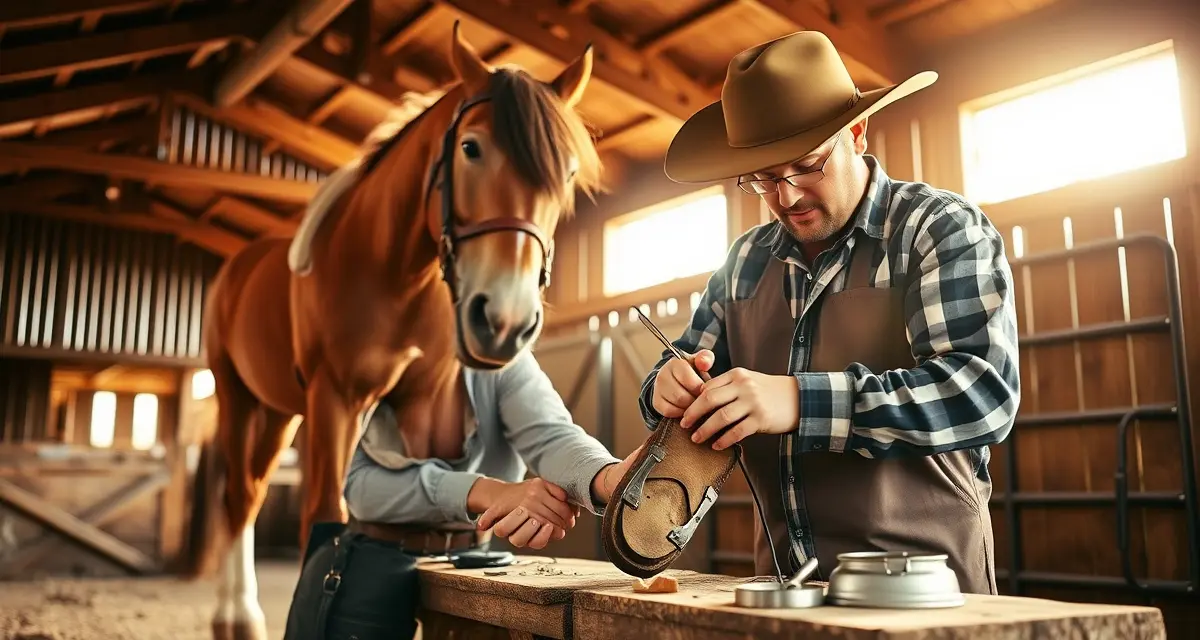
Rodeo Season Management for Farriers: Staying Ahead of the Demand
Rodeo-focused farriers see a 47% increase in appointment requests during spring rodeo season. That's not a manageable bump, it's a near-doubling of demand concentrated in a short window. Without a system, you're turning away business you want and scrambling to fit in clients who've been with you for years.
TL;DR
- Rodeo-focused farriers face a 47% spike in appointment requests during spring season, making pre-season scheduling essential rather than optional.
- Collecting competition calendars from clients in January or February and pre-booking pre-rodeo appointments 7-10 days before each show is the core strategy.
- Each rodeo discipline (barrel racing, roping, steer wrestling) has distinct shoeing requirements that should be documented individually per horse in your records.
- Multi-horse rodeo clients need horse-level records with individual intervals and competition dates, not a single client-level entry.
- FarrierIQ's rodeo event calendar integration flags pre-rodeo shoeing windows automatically based on each horse's standard interval and entered competition dates.
- Off-season proactive communication, setting a dormant interval and scheduling a February reconnect, keeps rodeo clients in your book year-round without requiring them to call you.
- One trusted relationship with a rodeo producer or well-connected barrel racer can generate 10-15 new client referrals in a single season.
The farriers who handle rodeo season without chaos use a combination of pre-season scheduling, rodeo calendar integration, and a clear protocol for handling the inevitable last-minute requests. This guide covers the approach, including how FarrierIQ's rodeo event calendar integration pre-books clients based on local show schedules.
Who's in Your Rodeo Book
Rodeo season doesn't just mean one type of horse. Depending on your region and the circuit you serve, your rodeo clients might include:
Barrel racing horses: High-performance athletes that typically need shoeing every 4-5 weeks, with specific traction requirements for arena conditions. These clients are often the most engaged and most demanding in your book.
Roping horses: Heading and heeling horses have their own shoeing requirements. Heeling horses in particular experience real stress during the stop, the shoeing needs to manage traction without the shoe pulling during a hard set.
Tie-down roping horses: Fast stops and tight turnarounds on specific arena surfaces. Similar traction considerations to heeling horses.
Steer wrestling horses: Run-and-stop horses that need consistent footing without excessive grab.
Rough stock rodeo: Bucking horses and bulls have their own care requirements, often managed by rodeo stock contractors rather than individual horse owners. If you have a stock contractor relationship, this is a separate and potentially high-volume account.
Each discipline has different shoeing demands, different shoe types, and different competitive schedules. Knowing which clients have which horses, and what their rodeo calendar looks like, is the foundation of seasonal management.
Step-by-Step: Rodeo Season Management
Step 1: Build Your Rodeo Client Calendar Early
The rodeo circuit in most western states follows a predictable annual pattern. PRCA rodeos, state circuit events, and jackpot events tend to happen at the same times and places every year.
In January or February, ask your rodeo clients about their planned schedule:
> "What's your rodeo schedule looking like this spring? I want to make sure I'm timing your appointments right and you're going into each rodeo ready to go."
Enter these dates into FarrierIQ's competition date field for each horse. The system then flags pre-rodeo shoeing windows automatically, based on the horse's standard interval and the competition date.
Step 2: Pre-Book Pre-Rodeo Appointments
Once you have competition dates, pre-book the pre-rodeo appointments immediately. Don't wait for the client to call, reach out and lock in the appointment.
For barrel racing and roping horses, the optimal pre-rodeo window is 7-10 days before competition. This gives the horse time to settle on new shoes while keeping the appointment recent enough that the fit is correct for the event.
Send the pre-booking message as soon as you have the show date:
> "I've got [Rodeo Name] on [date] noted for [Horse]. I'm holding [specific date] for the pre-rodeo shoeing, does that work? I want to get this locked in."
Most rodeo clients will confirm immediately. They know how important pre-competition timing is.
Step 3: Handle the 47% Demand Spike
When the spring rodeo surge hits, your schedule fills faster than normal. The clients who get appointments are the ones you contacted first. The ones who called you at the last minute are going to hear that you're full.
Have a clear protocol for last-minute requests:
For existing clients: Do your best to fit them in during overflow capacity. Your relationships matter more than the inconvenience.
For new clients: Be honest about your schedule and offer to put them on a waitlist. Rodeo season is when new clients often look for a farrier because their current one is full. Taking one or two good new clients on overflow is smart growth.
For emergency situations: A horse that threw a shoe the morning of a rodeo is a real emergency. Have a clear protocol for what constitutes an emergency appointment and what you charge for it.
Step 4: Manage Multi-Horse Rodeo Clients
Many serious rodeo competitors run multiple horses, a primary horse and a backup, or different horses for different events. Managing these clients means tracking each horse individually, with its own shoeing interval and competition schedule.
Don't let multi-horse clients create confusion in your records. Every horse gets its own record in FarrierIQ, with its own interval, its own competition dates, and its own history. The fact that they belong to the same owner is noted in the client profile, but the horse-level detail is what drives your scheduling. Learn more about managing multiple horses per client to keep records clean across your entire book.
Step 5: Build Rodeo Relationships Through the Association Community
The rodeo community runs on reputation and relationships. Get involved:
- Attend local PRCA rodeos not just as a service provider but as part of the community
- Connect with the rodeo secretaries who coordinate events, they know every competitor
- Build relationships with tack shops, feed stores, and other businesses that serve the rodeo community
- If your area has a state rodeo association, get involved and make yourself known
One trusted relationship with a rodeo producer or a well-connected barrel racer can generate 10-15 new clients through referrals over a season.
Specialty Shoeing for Rodeo Horses
Barrel Racing Traction
Already covered in depth in the farrier pricing guide for barrel racing. The key points: barrel horses need asymmetric traction management tailored to the arenas they compete in, and screw-in studs or permanent borium applications are the primary tools.
Roping Horse Shoeing Considerations
Roping horses experience the full spectrum of stopping stress. Heading horses make the initial catch and hold, they need consistent footing during the chase and turn. Heeling horses set up the stop after the catch.
For heeling horses, the hard stop puts real force through the hind hooves. The shoe needs to provide enough traction to stop cleanly without "digging in" so hard that it causes the horse to stumble or shifts stress to joints. Finding this balance is judgment work that experienced rodeo farriers develop over time.
Many competitive roping horses benefit from slightly modified breakover to ease the pressure of repeated stops. Document these modifications carefully in the horse's hoof care records and discuss any changes with the owner before implementing them.
Steer Wrestling
Steer wrestling horses are sprinting horses. They need to accelerate from the box, maintain speed alongside a steer, and then the horse continues forward while the wrestler dismounts. Footing for acceleration without the shoe pulling is the primary concern. Hard steel with moderate traction usually fits this use case well.
Managing the Rodeo Off-Season
Rodeo season has an off-season in most regions. What happens to your rodeo clients in November through January?
The smart approach is proactive fall communication:
> "Competition season is winding down. [Horse] can probably go to [extended interval] through the winter. I'll reach out in February to start booking the spring season. Let me know if anything changes."
This sets the expectation that you'll reconnect in spring without requiring the client to remember to call you. It also signals professionalism, you're managing their horse's care year-round, not just when they're competing.
Use FarrierIQ's farrier scheduling software to maintain a "dormant" interval for off-season rodeo horses, keeping the record active and the horse in your system even during slower months.
FAQ
How do I manage my farrier schedule during rodeo season?
Start by collecting competition calendars from your rodeo clients in January-February. Pre-book pre-rodeo shoeing appointments as soon as you have show dates, aim for 7-10 days before each competition. Keep buffer capacity in your schedule for overflow requests. During peak season, communicate clearly about availability and maintain a waitlist for new clients. FarrierIQ's rodeo calendar integration flags pre-rodeo windows automatically for each horse in your book.
Do rodeo horses need special shoeing?
Yes. Each rodeo discipline has specific shoeing requirements. Barrel horses need traction management tailored to arena surfaces. Roping horses need shoeing that handles the stop-and-turn stress of the event. Steer wrestling horses need acceleration-focused footwear. In all cases, the specific shoe type, gauge, and traction modification should be determined based on the individual horse, the surfaces they compete on, and the demands of their specific event.
How often do rodeo horses need to see a farrier?
Barrel racing horses, which face the highest physical demands, typically need shoeing every 4-5 weeks during competition season. Roping and other event horses generally run every 5-6 weeks. Off-season, intervals often stretch to 7-8 weeks when competitive demands are reduced. The interval should always be set based on the individual horse's growth rate, wear rate, and competition schedule, not a fixed calendar.
What should I charge for emergency rodeo appointments?
Emergency appointments, such as a thrown shoe the morning of a rodeo, warrant a premium above your standard rate. Most farriers charge an emergency fee ranging from 1.5 to 2 times their normal service rate, plus any after-hours or travel surcharges. Set this policy in writing before the season starts and communicate it to clients upfront so there are no surprises when the situation arises.
How do I handle a rodeo client who books appointments and then cancels last-minute?
Last-minute cancellations during peak season cost you real revenue because that slot is nearly impossible to fill. Establish a cancellation policy at the start of the season, typically 24-48 hours notice required, with a partial charge for late cancellations. Rodeo clients generally respect this because they understand that your time is as constrained as theirs during the season. Document the policy in FarrierIQ's client notes so it's on record for every account.
Should I travel to multi-day rodeo events to offer on-site farrier services?
On-site farrier services at multi-day events can be profitable, but they require careful planning. You'll need to account for travel time, the cost of being away from your regular route, and the unpredictable nature of event-day requests. Farriers who do this successfully typically have an established relationship with the rodeo producer and a pre-negotiated arrangement for the event. It works best as an add-on to an already strong rodeo client base, not as a standalone strategy.
Sources
- Professional Rodeo Cowboys Association (PRCA), official circuit schedules and competitor resources
- American Farriers Journal, industry publication covering shoeing techniques and business practices for working farriers
- American Association of Equine Practitioners (AAEP), guidelines on equine hoof care and performance horse management
- Cooperative Extension Service, equine programs at land-grant universities including Texas A&M and Colorado State University
Get Started with FarrierIQ
FarrierIQ is built for farriers who serve competitive horse owners, including the barrel racers, ropers, and rough stock clients who make rodeo season both your busiest and most valuable time of year. The rodeo calendar integration, per-horse record keeping, and automated pre-competition scheduling flags are designed specifically for the demands this guide covers. Try FarrierIQ free and see how much easier it is to head into spring season with every pre-rodeo appointment already locked in.