Paint Horse Farrier Guide: Scheduling for America's Colorful Athletes
Paint Horses are the second most registered breed in the US after Quarter Horses. They're used in virtually every western discipline and increasingly in English disciplines, trail riding, ranch work, and competitive events from barrel racing to reining to hunter under saddle. The Paint horse community is large, active, and spread across the country.
TL;DR
- Paint Horses share close genetic ancestry with Quarter Horses, so hoof quality is generally strong, but white hooves are softer and hold nails with less security than pigmented hooves on the same horse.
- Barrel racing Paints need 4-6 week intervals with particular attention to nail placement and shoe retention in white hooves; clips are worth considering to supplement retention under lateral forces.
- Discipline drives scheduling: cutting and reining Paints run 5-7 weeks, western pleasure show Paints 6-7 weeks, and trail Paints 6-8 weeks depending on terrain and work intensity.
- The APHA World Championship Show draws thousands of horses annually, so timing visits around the show calendar is a concrete way to retain show horse clients.
- FarrierIQ tracks per-horse intervals by discipline independently, so a barrel racing Paint on 5 weeks and a trail Paint on 8 weeks are each reminded and scheduled without manual calendar management.
- APHA members are tightly networked through shows and social media, meaning a strong reputation in the Paint community generates referrals faster than in less organized breed communities.
For farriers, this translates to a notable client segment that requires discipline-specific scheduling awareness. A Paint in barrel racing needs a different schedule than a Paint in western pleasure. A Paint doing weekend trail riding needs different care than one in a working cutting program.
Paint Horse Hoof Characteristics
The Paint Horse shares close genetic ancestry with the American Quarter Horse, which means their hoof characteristics are similar. Generally well-formed hooves with good wall density and appropriate weight-bearing structure for athletic work. They hold nails well and don't typically present the extreme challenges of thin-walled Thoroughbreds or the contraction tendencies of Arabians.
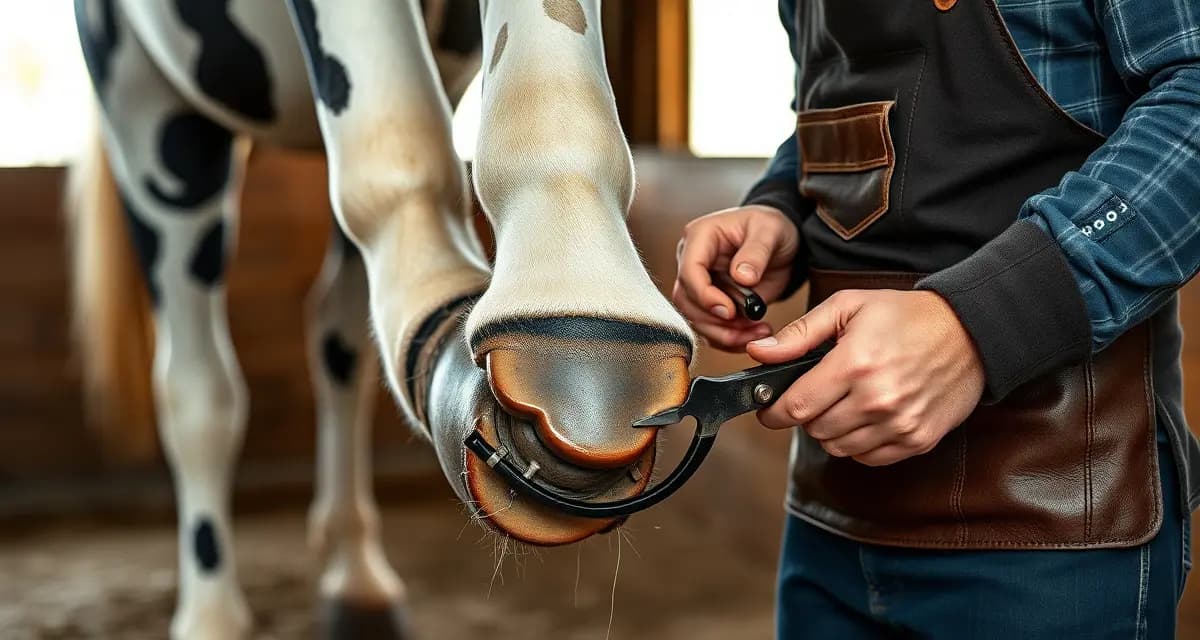
The primary breed-specific note for Paint horses is the white hoof variable. Horses with white markings on their legs often have one or more white hooves. White hooves are generally softer and more porous than pigmented hooves, and they hold nails with slightly less security than pigmented wall on the same horse.
If all four of a Paint's hooves are pigmented, you're dealing with hoof quality essentially indistinguishable from a similarly built Quarter Horse. If the horse has one or more white hooves, those feet merit attention to nail placement and shoe retention.
Discipline-Specific Scheduling for Paint Horses
The APHA registers Paints across a remarkable range of disciplines. Knowing what your Paint client does with their horse is the starting point for appropriate scheduling.
Barrel racing Paints: Competition season intervals of 4-6 weeks, similar to Quarter Horse barrel horses. The lateral forces of the pattern make shoe retention critical. White hooves on barrel-racing Paints need particular attention.
Cutting and reining Paints: 5-7 week intervals during active training, with performance-correlated notes about shoe angle and traction that affect their athletic work.
Western pleasure show Paints: 6-7 week intervals during show season. Shoe selection supports the natural movement expected in the show ring.
Trail and pleasure Paints: 6-8 weeks depending on terrain and work intensity. These are the most relaxed schedule Paints on your book.
Hunter under saddle and English Paints: The growing English Paint community needs the sport horse scheduling awareness you'd apply to any discipline horse, with appropriate attention to the show calendar.
FarrierIQ's scheduling software handles all of these separately. Each Paint on your book has its own interval based on its discipline and individual needs.
Managing a Paint-Heavy Book
If you serve a region with active APHA competition, you may have a notable number of Paint horses on your book across multiple disciplines. The administrative challenge is keeping each one on the appropriate interval for their specific use, not applying a generic 7-week schedule to all of them.
FarrierIQ's per-horse interval system handles this. Your barrel racing Paint is on 5 weeks, your western pleasure Paint is on 7 weeks, and your trail horse Paint is on 8 weeks. Each one gets tracked and reminded independently. You're not manually managing the farrier appointment calendar for each discipline separately.
FarrierIQ's hoof health records capture discipline notes for each horse, which gives you the context you need when you're reviewing a horse's record before a visit. You know what this horse does before you open the trailer doors.
The APHA Show Circuit
The American Paint Horse Association runs one of the most active show circuits in the country, with major events like the APHA World Championship Show drawing thousands of horses annually. If your book includes show Paints, the show calendar is part of your scheduling context.
Keeping show Paints on appropriate intervals with visits timed around major show commitments is the kind of proactive scheduling that horse show clients notice and appreciate. Showing up for a routine appointment two days before a major APHA event because nobody planned ahead is the kind of situation FarrierIQ's advance scheduling prevents.
Building Your Paint Horse Client Network
APHA members are networked. They follow each other on social media, they ride together at shows, and they ask each other about service providers. A positive reputation in the Paint horse community travels quickly. Delivering professional records, reliable scheduling, and technically skilled work on Paint horses builds referrals within the community.
Frequently Asked Questions
How often do Paint Horses need a farrier?
Paint Horses in active athletic use typically need farrier visits every 5-7 weeks during their primary activity season. Competition horses at the more demanding end, barrel racers and cutting horses in heavy training, may need 4-5 week intervals. Pleasure and trail Paints in lighter work do well at 6-8 weeks. Individual factors like hoof growth rate and terrain also affect the appropriate interval.
What farrier care do Paint Horses need for barrel racing?
Barrel racing Paints need the same traction and retention considerations as Quarter Horse barrel horses. Creased or rimed shoes on appropriate surfaces, attention to nail placement in any white hooves, and a 4-6 week interval during competition season. Clips are worth considering on white hooves to supplement nail retention under the lateral forces of the barrel pattern.
Does farrier software track Paint Horse discipline history?
Yes. FarrierIQ's horse records include discipline fields and notes that capture what each Paint is used for. Over time, visit notes and performance observations build a discipline-specific history for each horse. If a barrel racing Paint changes careers to western pleasure, you can update their record and adjust their interval accordingly.
Are white hooves on Paint Horses actually weaker, or is that a myth?
White hooves are genuinely softer and more porous than pigmented hooves on the same horse, though the difference varies between individuals. The practical implication for farriers is that nail placement deserves more care in white hooves, and shoe retention should be monitored more closely, particularly on horses doing high-impact work like barrel racing or cutting.
How do I handle a Paint Horse client whose horse competes in multiple APHA disciplines?
Some Paints compete in both western and English classes at the same show, or switch between disciplines across the season. The scheduling approach is to anchor the interval to the most demanding discipline the horse is actively competing in. FarrierIQ's notes fields let you record all active disciplines so you have the full picture when planning visits around the show calendar.
What should farriers know about the APHA registration process and how it affects their client base?
The APHA registers horses with tobiano, overo, and tovero coat patterns, and also maintains a Solid Paint-Bred registry for horses that don't express color. This means some horses registered with APHA owners may not have the classic Paint coloring, and therefore may not have white hooves at all. When taking on a new Paint client, confirming the horse's actual markings is more useful than assuming based on breed registration alone.
Sources
- American Paint Horse Association (APHA), Fort Worth, Texas
- American Farrier's Association (AFA), Lexington, Kentucky
- University of Minnesota Extension, Horse Extension Program
- The Horse: Your Guide to Equine Health Care, Equine Network
- Cooperative Extension Service, Texas A&M AgriLife Extension, Equine Science Program
Get Started with FarrierIQ
FarrierIQ gives you per-horse interval tracking, discipline-specific notes, and show-calendar-aware scheduling so every Paint on your book, whether a barrel racer on a 5-week cycle or a trail horse on 8 weeks, stays on the right schedule without manual calendar juggling. Try FarrierIQ free and see how it handles a mixed-discipline Paint book from day one.