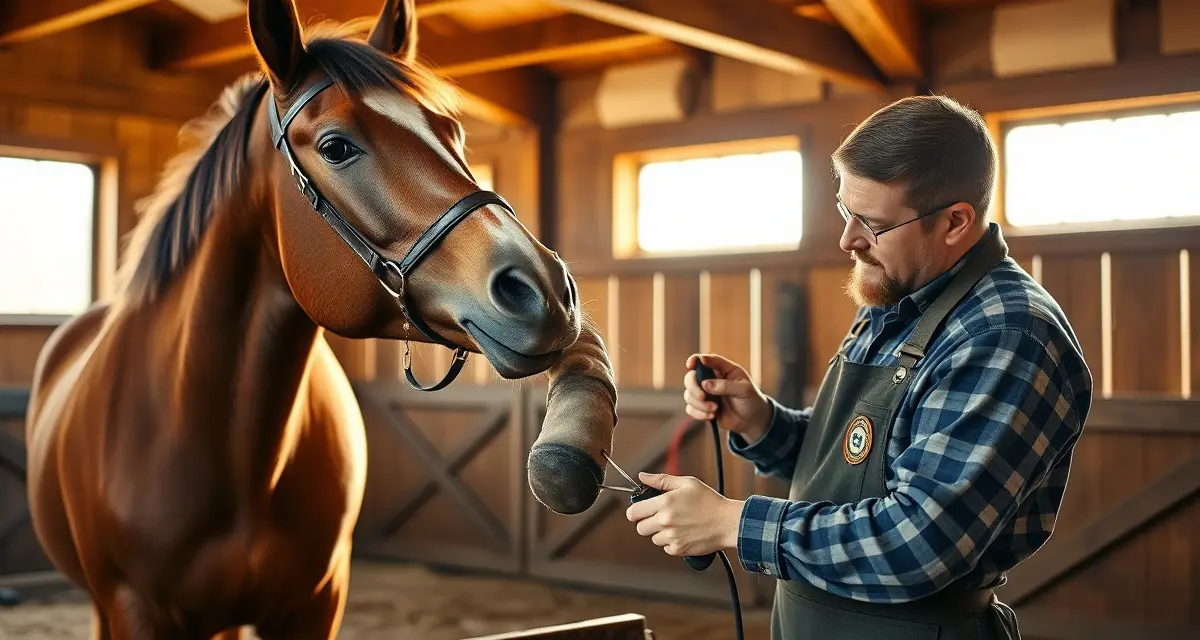
Farrier Scheduling Software for Michigan: Managing Winter and Rural Distances
Michigan farriers deal with two compounding challenges that most scheduling tools weren't built for: brutal winters and long drives between rural clients.
Farriers in Michigan's Upper Peninsula average 28% more miles per client than the national median. Add six months of winter weather -- ranging from lake-effect snow in the U.P. to hard freezes across the Lower Peninsula -- and you've got scheduling conditions that expose the weaknesses of any generic calendar app.
TL;DR
- Michigan UP farriers average 28% more miles per client than the national median -- route optimization that clusters stops geographically before winter arrives is essential, because shifting a cluster when weather deteriorates is manageable; rerouting an entire unoptimized week is not.
- Michigan's winter creates two distinct scheduling problems: (1) variable owner engagement with some clients wanting stretched intervals and others maintaining active training schedules, and (2) winter-specific shoe configurations (snow pads, borium studs, packed-ice protection) that need per-horse documentation so February visits can reference what was installed in November.
- FarrierIQ's seasonal scheduling tools let you set custom winter intervals per horse, then restore standard cycles in spring automatically -- no manual reconfiguration of 60-80 horse profiles in April.
- Cell service in rural Michigan, especially the U.P., is unreliable -- offline capability is essential for consistent field operation across the state's rural farm territory.
- Oakland County's premium equestrian market (Independence Township, Orion Township) expects professional records and communication at the level of any competitive metro market -- a different set of requirements than the rural U.P. farrier environment, handled in the same platform.
- Michigan farriers who document winter shoe configurations per horse build client trust that maintains appointment regularity through cold months -- owners who believe the farrier tracks their horse's winter setup are less likely to drift to extended intervals.
- Michigan farriers using FarrierIQ handle both Oakland County premium urban routes and rural lower and upper peninsula long-distance accounts in one mobile-first platform that works offline when coverage disappears.
FarrierIQ's route optimization and seasonal scheduling tools were designed with exactly these conditions in mind. Whether you're routing across the Lower Peninsula's rural farm country or managing clients through a U.P. winter, the platform adapts to how Michigan farriers actually work.
The Winter Scheduling Problem in Michigan
Michigan winters don't just affect road conditions. They affect hoof care itself.
Cold weather changes hoof growth rates and moisture levels. Horses in Michigan, particularly those boarded in heated barns versus outdoor paddocks, may have different trim frequency needs in winter versus summer. Some clients reduce their horses' activity and want to stretch intervals; others keep horses in training and maintain regular schedules.
Managing that variation manually, across a client list of 60-80 horses, is where the wheels come off. Who wanted to push to 8 weeks this winter? Which horses are in an active training program and staying on a 6-week cycle? Which farms asked you to skip January?
FarrierIQ's seasonal scheduling tools let you adjust individual horse intervals by season without losing the baseline schedule. When spring arrives, the system restores normal intervals automatically. You don't manage exceptions in a separate spreadsheet, they're built into each horse's profile.
Route Optimization for Michigan's Rural Distances
A Michigan farrier in Mecosta County or Ogemaw County isn't routing through suburban horse country. The farms are spread across long distances, state highways, two-tracks, county roads. Without geographic clustering, the weekly route becomes a series of inefficient criss-crosses that burn hours and diesel.
FarrierIQ's routing tools cluster your appointments by geographic proximity, minimizing backtracking and optimizing the sequence of stops. For farriers already stretched across Michigan's vast rural landscape, the time savings from tighter routing translate directly to either more horses served or more hours recovered.
The winter routing benefit is specific: in conditions where driving conditions deteriorate, having your stops clustered geographically means fewer decisions about which client to skip or defer. You can make sensible adjustments, shifting a cluster by a day, without disrupting the entire week's schedule.
Winter Horseshoeing Considerations for Michigan Farriers
Michigan horses need different equipment in winter. Snow pads, borium studs, and packed-ice protection are standard considerations for any horse that goes outside between November and April.
FarrierIQ's service record fields let you document winter shoe configurations per horse, so when you're standing in a barn in February trying to remember what you put on this horse last November, the information is there. You can note borium placement, pad type, and any special instructions the owner gave you about ice conditions at their property.
This matters more than it sounds. Horse owners who trust that their farrier has records of their horse's winter setup are more likely to maintain regular appointments through the cold months, rather than stretching intervals or skipping visits because they assume the farrier won't remember anyway.
See FarrierIQ's winter horseshoeing guide for a full breakdown of cold-weather shoeing considerations.
Features Michigan Farriers Rely On
Seasonal Interval Adjustments
Set custom winter intervals per horse, then restore standard cycles in spring. No manual reconfiguration, the system handles it based on the date parameters you set.
Offline Mobile Functionality
Cell service in rural Michigan, especially the U.P., can be unreliable. FarrierIQ works offline, syncing when you reconnect. Log notes, generate invoices, and pull up horse records from inside a barn without depending on signal.
Automated Reminders for Winter Client Retention
Michigan farriers can lose client momentum in winter when horses are less active and owners are less engaged. Automated reminders keep your name in front of clients even during slower months. FarrierIQ's reminder tools send configurable texts at the intervals you set, so you don't have to manually chase confirmations for every winter appointment.
Route Optimization Across Rural Territory
Cluster your Michigan farms by geography, minimize driving time, and see the most efficient sequence for each day's route before you leave the house.
Related Articles
- Farrier Scheduling Software for Iowa: Farm Country Efficiency
- Farrier Scheduling Software for Kansas: Flint Hills Ranches and Working Stock
FAQ
How do I manage a farrier route in Michigan winters?
The key is geographic clustering before winter arrives. Get your stops grouped by area so that when a weather event forces a schedule change, you can shift a cluster rather than reroute your entire week. FarrierIQ's route optimization tools handle this clustering automatically. The winter horseshoeing guide also covers how to sequence winter visits to minimize weather-related disruptions.
What farrier software is best for Michigan's rural horse community?
FarrierIQ is well-suited for Michigan's rural farrier operations because it's built for field use, mobile-first, offline-capable, and optimized for the routing challenges of spread-out rural territories. Unlike desktop-based competitors, it works from your phone in any barn, with or without cell signal.
Does FarrierIQ handle winter horseshoeing scheduling?
Yes. FarrierIQ lets you set seasonal intervals per horse, log winter-specific service details like snow pad configurations and stud placement, and adjust your schedule for winter conditions without losing your baseline client schedule. When spring arrives, normal intervals restore based on your configuration.
How should Michigan farriers handle the U.P.'s group visit coordination strategy?
Michigan UP horse owners who coordinate group visits -- gathering 4-6 horses at one property to make a farrier's drive economically worthwhile -- create scheduling blocks that require clear advance communication from the farrier. Confirming the visit date, the approximate time block, and which horses are expected at least 2 weeks in advance prevents the scenario where a farrier drives 3 hours to find only 2 horses ready. FarrierIQ's automated reminder system can send confirmation requests to the group's organizer at a configured interval before the visit -- a single reminder to the organizing neighbor rather than individual texts to each horse owner. The per-horse records within a group visit block let you document each animal individually even though the scheduling is coordinated as a single farm stop.
What documentation practices help Michigan farriers retain Oakland County premium accounts?
Oakland County's premium equestrian market around Independence Township and Orion Township expects professional records accessible between visits -- not just at appointment time. Per-horse records that include shoe type and size, any modifications from the previous set, hoof condition rating, and a note on the next appointment create the continuity documentation that high-end Michigan clients use to evaluate whether their farrier is actively managing their horse. The horse owner portal gives Oakland County clients direct access to their horse's records -- a tool that resonates with the professional demographic of this market. For farriers building relationships in the Independence Township equestrian community, the combination of professional records and portal access signals the organized practice that premium Michigan accounts retain long-term.
Sources
- American Farrier's Association (AFA), Michigan member directory and credential information
- Michigan Horse Council, Michigan equine industry resources and regional contacts
- American Association of Equine Practitioners (AAEP), equine veterinarian directory for Michigan
- Michigan State University Extension, equine resources for Michigan agricultural communities
Get Started with FarrierIQ
Michigan farriers managing winter scheduling variations, rural U.P. long-distance routes, and Oakland County premium urban accounts use FarrierIQ's seasonal scheduling, offline capability, and professional records tools to run organized practices across the state's varied geography and seasonal challenges. For farriers serving Michigan's diverse horse community from the U.P. to southeast Michigan, farrier software for Michigan provides the scheduling and documentation infrastructure that professional practice in the Great Lakes State requires.