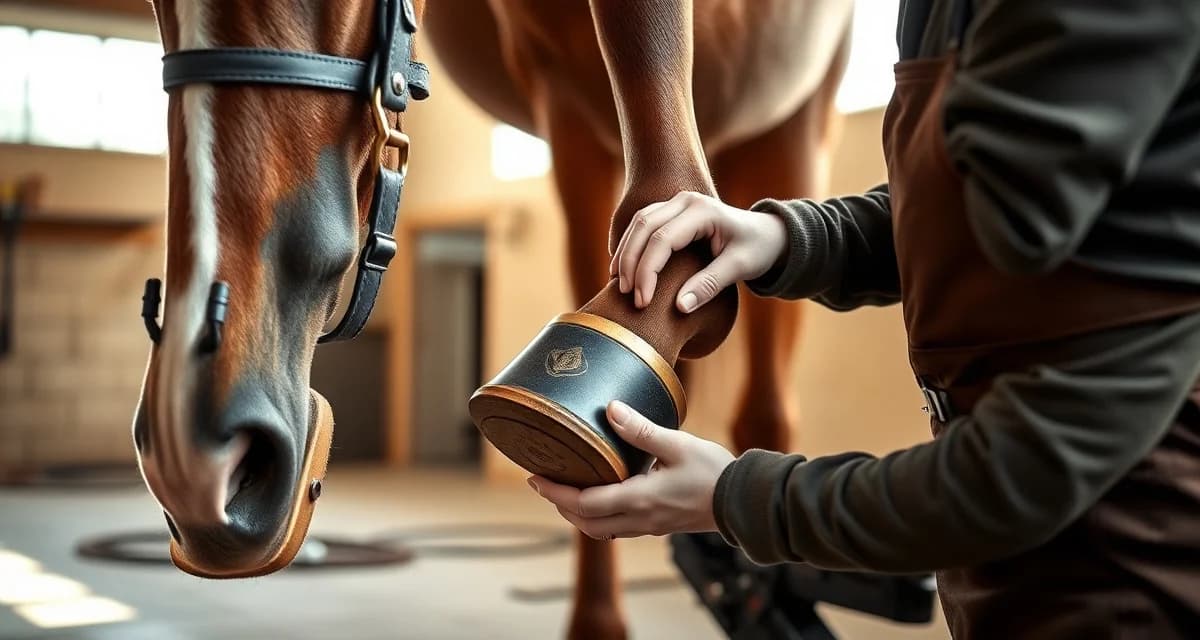
Warmblood Farrier Schedule: Precision Care for Dressage and Jumping Horses
Warmbloods competing at the Grand Prix level are reshod on average every 5-6 weeks, with precise angle requirements that demand a skilled, attentive farrier. These are not horses where approximation works. The margin for error at the upper levels of dressage and show jumping is measured in fractions of degrees and millimeters, and the farrier who understands that earns their place in a serious sport horse program.
TL;DR
- Grand Prix Warmbloods are reshod every 5-6 weeks on average, with competition horses often needing the shorter end of that range during peak season.
- A one-degree variation in hoof angle can be perceptible to an experienced dressage judge and rider at the Grand Prix level, making angle consistency a top priority.
- Grand Prix dressage horses are reshod on average 11 days sooner per cycle than horses in light work, reflecting how quickly performance sensitivity develops.
- Stud configuration records for jumping Warmbloods, documenting which setups work on specific footing conditions, are a core part of professional sport horse care.
- Aluminum shoes are commonly used for dressage Warmbloods to reduce limb weight and improve trot expression, while steel remains appropriate for horses with hoof quality needs.
- Rider feedback captured alongside technical farrier notes builds a more complete performance record than either perspective provides alone.
- Different Warmblood registries and bloodlines carry distinct hoof tendencies, and knowing those tendencies helps farriers set expectations before the first visit.
Warmbloods are elite athletes. Their shoeing schedules, their records, and the precision of each visit reflect that.
What Makes Warmbloods Different
The modern sport horse Warmblood, whether Dutch, Hanoverian, Oldenburg, KWPN, or another registrant, was bred for two primary disciplines: dressage and show jumping. The breeding selection for elevated, expressive movement and athletic jumping ability has produced horses with physical characteristics that make them exceptional sport horses and create specific farrier considerations.
Large body size means large hooves, which means more material and time per visit. The conformation that produces dramatic elevated movement in dressage also tends toward more open hoof angles that need careful management. The power through the hindquarters that makes these horses exceptional jumpers puts notable load on the hind feet at landing.
Warmblood hoof quality is generally good, but not universally so. Some bloodlines show softer walls or foot issues related to the upright pastern angles that sometimes come with the elevated movement conformation. Knowing the bloodlines and what tendencies they carry helps you anticipate what you'll find.
The Dressage Warmblood: Angle and Breakover Precision
In dressage, especially at FEI levels, the horse's movement quality is evaluated with exacting precision. Judges are watching for elasticity at the trot, straightness at the canter, and the degree of engagement and collection in lateral movements and advanced exercises.
Shoeing directly affects all of these. A Grand Prix dressage horse reshod on average 11 days sooner per cycle than one in light work, reflecting how sensitive these horses are to even small changes in their shoeing setup as the hoof grows and the shoe ages.
The angle of the hoof affects how the foot lands and breaks over, which affects the rhythm and elasticity of the gait. The weight of the shoe affects the pendulum swing of the limb, which affects the expression and reach of the trot. The lateral balance of the shoe and trim affects the straightness of movement and the symmetry of the canter.
For Grand Prix dressage horses, a one-degree variation in hoof angle can be perceptible to an experienced judge and rider. Getting it right consistently, visit after visit, is the standard these clients expect.
FarrierIQ's hoof health records capture the specific angle measurements, shoe selection, and any movement notes from trainers after each visit. Over a season, that record shows what this horse moves best in and allows you to replicate successful setups consistently.
The Show Jumping Warmblood: Traction and Landing Protection
Show jumping Warmbloods have different shoeing priorities than their dressage counterparts. The jump demands traction on approach, a clean fold over the fence, and protection from the concussive forces of landing after a big effort.
Stud configuration is central to jumping horse shoeing. The right stud setup provides grip on the footing conditions specific to each show, whether indoor arena sand, outdoor grass, or clay. Having stud records for each horse, documenting which configurations work best under which conditions, is part of professional jumping horse care.
The landing forces after a Grand Prix fence can be substantial. Jumping horses with any history of navicular concerns or heel sensitivity need particular attention to how the shoe distributes those landing forces. Wider-webbed shoes, pads, or specific shoe materials that reduce concussion are tools farriers use with horses that need protection.
Sport Horse Scheduling Around the Competition Calendar
Warmblood sport horse schedules are built around competition dates. A horse showing at Dressage at Devon in October needs to be shod at the right point in the cycle before that event. A jumper preparing for a major indoor show needs fresh shoes and confirmed stud hole integrity going in.
FarrierIQ's sport horse scheduling tools let you build the competition calendar into your scheduling. You can see which horses have upcoming events, plan visits around those windows, and make sure no horse goes to a major show on shoes that are past their optimal window.
The scheduling software also handles the reality that competition schedules change. A horse that scratches from a show, a horse that gets qualified late for a championship, a horse that ships for a winter training stint. FarrierIQ adjusts without requiring you to rebuild your whole calendar.
Working With Warmblood Trainers and Riders
Grand Prix trainers and professional riders have strong opinions about their horses' shoeing. They should. They're the ones in the ring feeling the difference when something changes. The best sport horse farrier relationships are collaborative ones where the farrier explains their approach and the rider provides feedback from the performance perspective.
Some riders keep detailed notes about how their horse's movement changes across the shoeing cycle. This is useful information. If a rider consistently notices that their horse feels best in the first two weeks after shoeing and starts to feel less elastic in week five, that tells you something about the optimal cycle length for that horse.
Capturing that rider feedback in FarrierIQ's records alongside your own technical observations builds a richer picture than either perspective alone provides. Farriers managing multiple sport horse clients across different barns benefit especially from having those notes organized in one place.
Hoof Quality in Warmblood Lines
Different Warmblood registries and breeding programs produce horses with different hoof tendencies. Some lines are noted for excellent hoof quality with dense, well-formed walls and appropriate angles. Others are recognized in the breeding community for softer walls or hoof angles that need more active management.
As a farrier building experience with Warmblood sport horses, developing your knowledge of these bloodline tendencies helps you set expectations and plan your approach before you see the horse for the first time. A first-generation imported Dutch stallion's offspring may have different tendencies than an American-bred Hanoverian with more generations on local management.
Draft vs. Refined Warmbloods
Not all Warmbloods are the same. Some individuals carry more draft breed influence in their background, showing heavier bone, larger feet, and sometimes a more draft-typical hoof shape. Others are refined and athletic with the proportions more typical of Thoroughbred-influenced sport horse breeding.
The heavier, draft-influenced Warmblood may need a more substantial shoe and a different approach to balance than the more refined type. These distinctions are individual assessments you make at the horse, not breed-wide rules.
Frequently Asked Questions
How often do Warmblood horses need to see a farrier?
Most Warmbloods in active sport work are on a 5-6 week schedule. Horses competing at Grand Prix level in dressage or show jumping may need visits at the shorter end of that range during peak competition season. Warmbloods in lighter work, such as lower-level horses or those in off-season maintenance, can often go 6-7 weeks.
What type of shoes do Warmblood dressage horses use?
Dressage Warmbloods are often shod in aluminum to reduce limb weight and improve the elasticity and expression of the trot. Steel is also appropriate, particularly for horses where hoof quality benefits from a more substantial shoe. The shoe selection depends on the horse's specific needs, the level of work, and the trainer's experience with what works for their horses.
How do I document Warmblood shoeing specifications in farrier software?
FarrierIQ's horse records include notes fields for shoe type, material, angle measurements, and any performance observations from trainers. For dressage Warmbloods, those notes might include the specific aluminum shoe selected and the trainer's movement feedback. For jumping Warmbloods, the stud configuration used at specific shows is worth capturing. That specificity builds over visits into a useful performance record.
Should I coordinate with a veterinarian when shoeing a Warmblood with navicular concerns?
Yes, and the most effective sport horse programs treat farrier and veterinarian as a team rather than separate consultants. When a jumping Warmblood has documented heel sensitivity or navicular changes, your shoeing decisions, including shoe width, breakover placement, and pad use, should reflect the vet's findings and be communicated back to them. Keeping detailed records of what you applied and when gives the veterinarian useful context at their next evaluation.
How does the off-season affect a Warmblood's shoeing schedule?
Many sport Warmbloods shift to a lighter work schedule or extended turnout during the winter off-season, which can allow the shoeing interval to stretch from 5-6 weeks to 6-7 weeks. However, horses that winter in warmer climates or continue training through the season may stay on their competition schedule year-round. The key is adjusting the interval based on actual hoof growth and wear rather than applying a fixed off-season rule.
What should a farrier know before taking on a new Grand Prix Warmblood client?
Ask for any existing shoeing records, including shoe type, angles, and any notes from the previous farrier. Find out the horse's competition calendar for the next several months so you can plan your visit timing accordingly. It is also worth speaking directly with the trainer about any movement sensitivities or past issues they have observed across the shoeing cycle. Starting with that context reduces the trial-and-error period considerably.
How do stud holes affect shoe longevity on jumping Warmbloods?
Stud holes that are not properly plugged between uses can collect debris and compromise the integrity of the shoe over time. Checking stud hole condition at each visit, and noting in your records which holes were used at which shows, helps you identify wear patterns and decide whether a shoe can safely carry through another competition cycle or needs to be replaced. Horses competing frequently on hard or abrasive footing may wear through shoes faster than the standard 5-6 week interval suggests.
Sources
- American Farriers Journal, Lessiter Media
- American Association of Equine Practitioners (AAEP)
- United States Dressage Federation (USDF)
- United States Equestrian Federation (USEF) Sport Horse Division
- University of California Davis School of Veterinary Medicine, Equine Health Program
Get Started with FarrierIQ
Managing a Warmblood sport horse clientele means tracking precise angle measurements, competition calendars, stud configurations, and trainer feedback across horses that perform at the highest levels. FarrierIQ gives you the records and scheduling tools to handle that detail without letting anything fall through the cracks. Try FarrierIQ free and see how it fits into your sport horse practice.