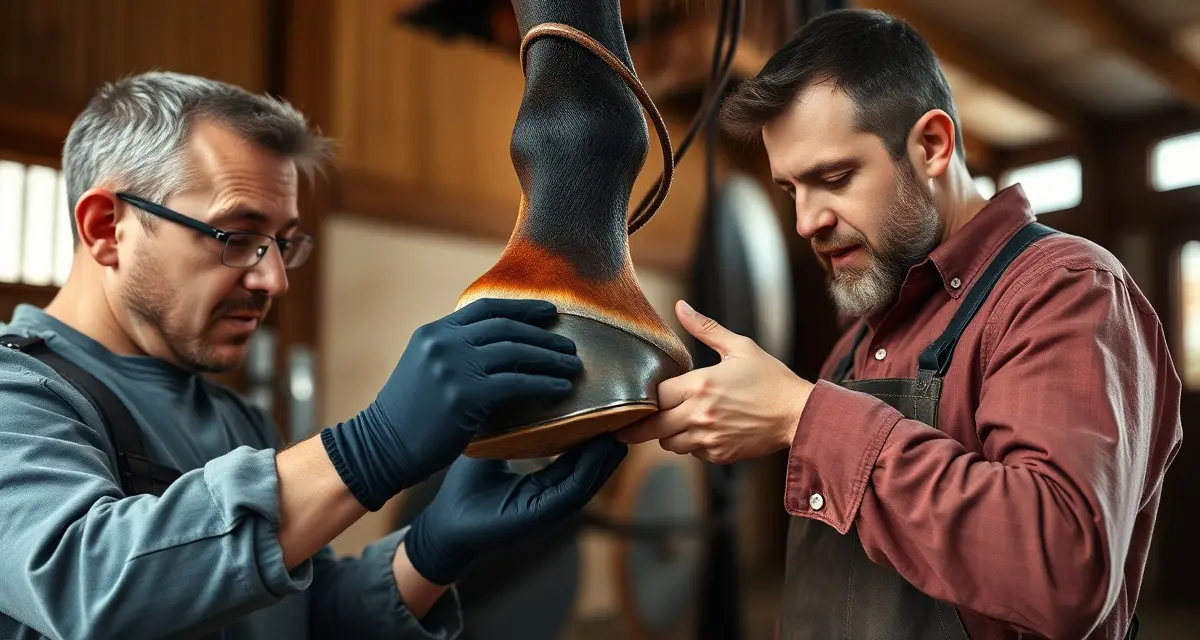
Morgan Horse Farrier Schedule: Sturdy Hooves on a Consistent Plan
Morgan Horses have some of the naturally strongest hooves of any light horse breed. This isn't just breed pride. The Morgan evolved as a working horse in the rocky, varied terrain of New England and the Northeast, and that selection pressure produced a horse with dense, tough hooves that can handle hard work across challenging terrain.
TL;DR
- Morgans typically need farrier visits every 6-8 weeks, with show and carriage horses at the 6-7 week end and light-use or pasture horses at the 7-8 week end.
- The breed's naturally dense hoof wall makes nail placement reliable and shoe retention better than most light horse breeds, but consistent care is still required to maintain that quality.
- Carriage Morgans driven on hard road surfaces need traction devices like borium or tungsten carbide to extend shoe life and provide grip on pavement.
- The AMHA recognizes 14 performance divisions, meaning a single farrier's Morgan clients may span trail, carriage, park class, and show disciplines, each with different shoeing requirements and intervals.
- Park class Morgans wear specialized shoes with action devices similar to gaited breed show horses, requiring tighter intervals and more complex shoeing than other Morgan disciplines.
- Vermont and New England have a concentrated Morgan heritage community where owners tend to be knowledgeable and value farriers who maintain detailed, breed-aware records.
- Per-horse interval tracking in FarrierIQ lets trail and show Morgans at the same barn stay on separate schedules without manual management.
That natural strength doesn't mean Morgans can be neglected. It means the baseline is favorable, and consistent care keeps them in excellent condition. A Morgan that sees the farrier regularly stays sound. One that goes 12 weeks because the owner assumed the strong feet could handle it starts to show the consequences.
Morgan Hoof Characteristics
The typical Morgan hoof is well-proportioned, with a reasonable wall depth, appropriate concavity in the sole, and good frog development. The breed's natural wall density exceeds most other light horse breeds and approaches the density of some sport horse breeds. This makes nail placement reliable and shoe retention good.
Morgans also tend to have hoof angles consistent with their upright, compact conformation. The breed's characteristic stance, with well-developed hindquarters and an upright shoulder, often correlates with a more upright hoof angle than you'd find in a more laid-back Quarter Horse. This angle works well for the diverse work Morgans do, from trail riding to carriage driving to show competition.
The breed's feet are generally self-maintaining well enough that Morgans can often go barefoot successfully on appropriate terrain, particularly for pleasure and trail use. Many Morgan owners appreciate working with a farrier who understands barefoot management as an option for appropriate horses in appropriate conditions.
Discipline Diversity in Morgan Clients
Morgan horses are used in more disciplines than almost any other breed. The AMHA recognizes 14 different performance divisions, and Morgans are competitive in trail riding, carriage driving, western pleasure, English pleasure, park, hunter pleasure, reining, and various other disciplines. Some Morgan clients are casual trail riders. Others are serious competitors in the AMHA National Championship show.
Understanding what each Morgan client does with their horse sets the context for appropriate scheduling and shoeing decisions.
Trail Morgans: Typically 6-8 weeks depending on terrain. Rocky trail horses at the closer end, grass trail horses at the farther end.
Carriage Morgans: 6-7 weeks during driving season. Hard road driving creates its own traction and wear demands.
Show Morgans: 6-7 weeks during show season, timed around show dates. Different AMHA classes have different shoeing requirements.
Park class Morgans: These horses wear a specialized shoe with action devices similar to gaited breed show horses. The shoeing is more complex and the interval tighter.
FarrierIQ's scheduling software handles each of these discipline categories differently, capturing the appropriate notes and interval for each Morgan based on what they do.
Carriage Driving Considerations
Morgans are one of the premier light carriage breeds, and carriage driving creates specific hoof considerations that differ from riding disciplines. Horses doing road driving on hard surfaces need appropriate traction for pavement. Borium or tungsten carbide traction devices welded to the shoe extend the life of the shoe and provide grip on asphalt and concrete.
Road driving also creates more consistent concussive force on the hoof than the varied impact of trail riding. Monitoring for any signs of navicular sensitivity or heel soreness in road-driven Morgans is part of the ongoing care for these horses.
FarrierIQ's hoof health records capture the specific shoeing setup for each carriage Morgan, including traction device type and placement, so you can replicate successful setups and document any changes you make.
Vermont, New England, and the Morgan Heritage Community
Vermont is the spiritual home of the Morgan horse, and New England has a concentration of Morgan breeding and showing that reflects the breed's heritage. Morgan owners in this region often have deep knowledge of the breed and appreciate farriers who understand the Morgan-specific context.
The Morgan trail riding community in Vermont and New Hampshire is active and passionate. These clients are typically thoughtful horse owners who maintain consistent care and appreciate a farrier who shows up reliably and keeps good records for each horse.
Managing a Multi-Discipline Morgan Book
If your book has Morgans across multiple disciplines, the per-horse interval settings in FarrierIQ keep each one on the appropriate schedule regardless of what their neighbor at the same barn is doing. The show Morgan on a 6-week cycle and the trail Morgan on an 8-week cycle are both tracked and reminded independently.
Frequently Asked Questions
How often do Morgan Horses need a farrier?
Most Morgans do well on a 6-8 week schedule. Show horses during the active season and horses in intensive carriage driving or trail work may need visits at the closer end of that range. Morgans in light use or on pasture rest can often go 7-8 weeks. The breed's naturally strong hooves mean they tolerate reasonable intervals well, but consistent care is still important for maintaining that hoof quality.
What farrier care do Morgan Horses used for carriage driving need?
Carriage driving Morgans need traction considerations appropriate for the surfaces they drive on. Road driving calls for traction devices like borium or carbide to extend shoe life and provide grip on hard surfaces. The hoof should be monitored for any sensitivity from the concussive nature of hard road work. Intervals of 6-7 weeks during driving season keep the shoes in appropriate condition for the work.
Does farrier software handle Morgan Horse trail and carriage scheduling?
Yes. FarrierIQ's per-horse scheduling system sets appropriate intervals for each Morgan based on their discipline and individual needs. Trail and carriage Morgans at the same property can be on different intervals, each tracked and reminded independently. The discipline notes fields capture what each horse is doing so you have context before every visit.
Can Morgan Horses go barefoot year-round?
Many Morgans can go barefoot successfully, particularly those in light trail or pleasure use on varied terrain. The breed's naturally dense wall and good sole depth make them better candidates for barefoot management than many other light horse breeds. Whether a specific horse stays barefoot year-round depends on the work they're doing, the surfaces they're on, and how their individual feet respond over time.
How do AMHA show requirements affect shoeing decisions for Morgan farriers?
Different AMHA performance divisions have specific rules about shoe type, weight, and action devices. Park class and show pleasure horses may be shown in weighted shoes or with pads, while hunter pleasure and trail classes typically require more natural shoeing. Farriers working with competitive Morgan clients benefit from knowing which division each horse shows in, since the shoeing setup needs to meet class rules while keeping the horse comfortable and sound.
What should farriers know about shoeing Morgan Horses for rocky terrain trail riding?
Morgans used on rocky terrain in New England and similar regions benefit from shoes that protect the sole from bruising while maintaining traction on uneven ground. A full-coverage shoe with appropriate breakover and, in some cases, rim or borium traction helps these horses work confidently on rocky trails. Intervals of 6 weeks are common for horses in heavy rocky-terrain use, since the abrasive footing wears shoes faster than softer ground.
Sources
- American Morgan Horse Association (AMHA), breed standards and performance division guidelines
- American Farrier's Association (AFA), hoof care and shoeing reference materials
- University of Vermont Extension, Morgan horse breed history and New England equine management resources
- The Merck Veterinary Manual, equine hoof anatomy and care guidelines
- United States Equestrian Federation (USEF), rulebook for Morgan performance divisions and shoeing regulations
Get Started with FarrierIQ
Managing a book of Morgans across trail, carriage, and show disciplines means tracking different intervals, shoeing setups, and traction requirements for each horse. FarrierIQ keeps all of that organized in one place, so you arrive at every appointment with the right context and leave with accurate records. Try FarrierIQ free and see how per-horse scheduling works for a multi-discipline breed like the Morgan.