How to Find a Good Farrier: What Horse Owners Should Look For
Only 38% of horse owners verify a farrier's credentials before their first appointment. That means most horse owners are trusting someone they found through a Facebook group or a barn referral without any independent verification of their qualifications. For a service that directly affects your horse's soundness, that's a meaningful risk.
Finding a good farrier takes a bit more than a Google search. Here's what to look for.
TL;DR
- Only 38% of horse owners verify a farrier's credentials before the first appointment, making independent verification an important step most people skip.
- The American Farrier's Association maintains a searchable directory of certified farriers by state, giving you a concrete way to confirm qualifications.
- A good first appointment includes the farrier observing the horse before starting work, asking about history and current use, and explaining their recommendations clearly.
- Red flags include no record-keeping, no interest in the horse's history, inability to explain their work, and pricing that is considerably below market rate.
- Asking six specific questions before booking, including whether the farrier carries liability insurance and how they work with vets, filters out unqualified candidates quickly.
- The farrier-client relationship works best as a long-term partnership where you share management observations and follow through on scheduling consistently.
- Farriers who provide visit summaries and automated appointment reminders demonstrate the kind of professional follow-through that benefits your horse's continuity of care.
Start With Referrals, Then Verify
The best farrier recommendations come from horse owners whose horses are sound and well-maintained, not just from whoever comes up first in a local Facebook group. Ask the barn manager where the horses you see with the best feet get their farrier work done. Ask a local vet which farriers they work with and trust. Talk to competitive riders whose horses are consistently sound.
When you get a name, verify it. The American Farrier's Association has a directory of certified farriers searchable by state. A farrier with an AFA credential has demonstrated a baseline of knowledge and skill through examination.
Questions to Ask a New Farrier
Before booking a first appointment, a brief conversation tells you a lot. Ask:
- How long have you been a professional farrier?
- Do you hold any AFA or other certifications?
- What types of horses do you primarily work with?
- How do you handle difficult horses?
- Do you carry liability insurance?
- What's your approach to working with my vet on any hoof issues?
A farrier who gives straightforward, confident answers to these questions is worth a first appointment. One who's defensive, vague, or dismissive of the questions is giving you information.
Red Flags to Watch For
No records. A professional farrier should keep records of what they do at each visit. If a farrier tells you they don't bother with records, that's a flag. Good records protect you both and allow continuity of care.
No interest in your horse's history. The first visit should include questions about the horse's work, any previous hoof issues, and any management considerations. A farrier who shows up, does the work, and leaves without any conversation about the horse hasn't done a complete job.
Unable to explain their work. You don't need to become a farrier to understand your horse's care. A good farrier can explain in plain terms why they made the choices they made and what they're looking for at the next visit.
Unusually low prices. This one is counterintuitive, but very low prices sometimes indicate very limited experience. The market rate for farrier work reflects the cost of skill, experience, and proper equipment. Considerably below-market pricing is worth questioning.
What a Good First Appointment Looks Like
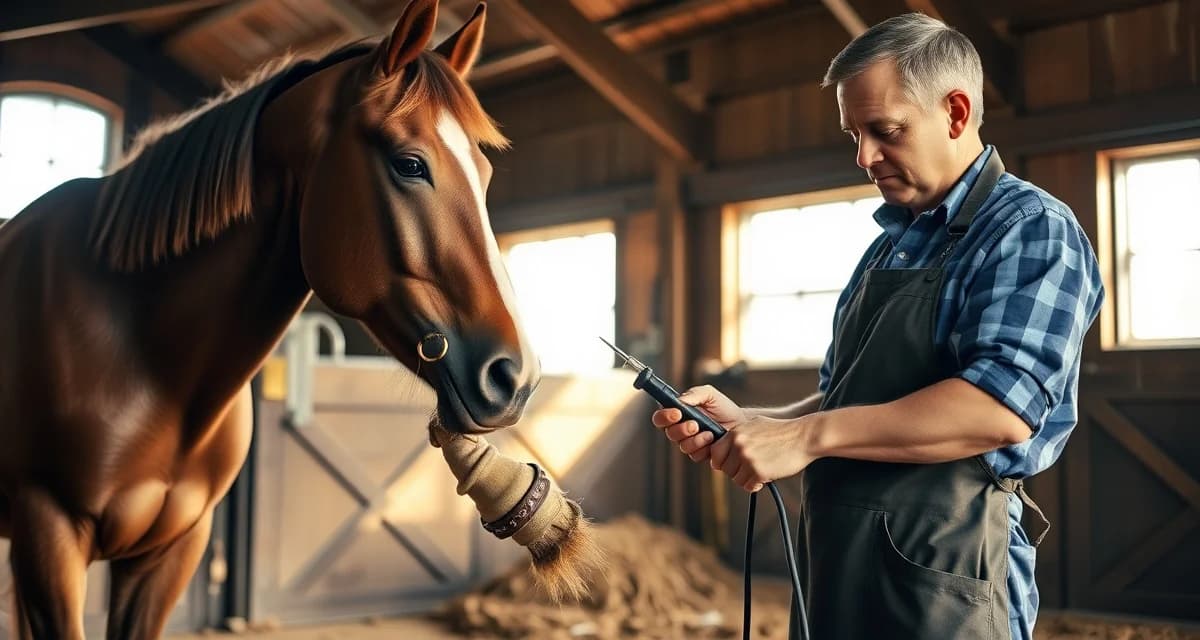
A good farrier arrives on time, takes a moment to observe the horse before picking up a tool, and talks to you about the horse's history and current use. They work efficiently but don't rush through the assessment. They explain anything notable they find and are clear about what they're recommending and why.
When they finish, they should tell you when the horse will need attention again, and ideally have you scheduled or have a reminder system in place. Farriers who use FarrierIQ's client management tools send a visit summary and automated reminder before the next appointment, which is the kind of professional follow-through that tells you the farrier takes their work seriously.
Building a Long-Term Relationship
The farrier-client relationship works best as a genuine partnership. You know your horse's behavior, preferences, and daily management. The farrier knows hoof mechanics and shoeing. Together, that knowledge produces the best outcomes for the horse.
Communicate openly about any changes you've noticed. Follow the farrier's guidance about hoof care management between visits to keep your horse's feet in the best condition possible. Keep appointments consistently rather than letting horses go overdue. A good farrier will invest more into clients who invest in the relationship.
Frequently Asked Questions
How do I know if a farrier is qualified?
Check for AFA certification through the American Farrier's Association's directory. Ask directly about their training and experience. Talk to other horse owners who use them and ask about the results over time. You can also ask your veterinarian for a recommendation, since vets work closely with farriers and see the quality of their work in the horses they treat.
What questions should I ask a new farrier?
Ask about their credentials and experience, what types of horses they work with, their approach to difficult horses, whether they carry insurance, and how they collaborate with veterinarians on complex hoof issues. A short conversation before the first appointment gives you important information about their professionalism and communication style.
How do I find a farrier in my area?
Start with the AFA's directory at americanfarriers.org for certified farriers in your region. Ask your veterinarian, your boarding barn manager, and other experienced horse owners for recommendations. Horse-specific social media groups can surface names, but verify credentials independently rather than relying solely on community recommendations.
How often should my horse see a farrier?
Most horses need farrier attention every six to eight weeks, though this varies based on the horse's workload, hoof growth rate, and whether they are shod or barefoot. Horses in heavy work or those with corrective shoeing may need more frequent visits. Your farrier should give you a specific recommendation for your horse at the end of each appointment.
What should I do if I'm unhappy with my farrier's work?
Start by having a direct conversation with your farrier about your concerns, since many issues come down to a misunderstanding about goals or expectations. If the problem is a specific outcome, like a horse going lame after a shoeing, contact your veterinarian immediately and document what was done. If the farrier is unresponsive or dismissive, it is reasonable to seek a second opinion from another qualified farrier before your next scheduled appointment.
Does it matter if my farrier specializes in a particular type of horse or discipline?
It can matter significantly, particularly for horses with corrective or therapeutic shoeing needs, gaited horses, or horses competing at high levels. A farrier who primarily works with trail horses may not have the same experience with performance horses that require specific shoeing for their discipline. Ask about their experience with horses similar to yours before committing to a long-term relationship.
Related Articles
Sources
- American Farrier's Association, Certification and Education Programs
- American Association of Equine Practitioners, Hoof Care Guidelines
- University of Minnesota Extension, Horse Owner's Guide to Hoof Care
- The Farrier's Journal, Professional Standards in the Farriery Industry
Get Started with FarrierIQ
If you find a farrier who meets the bar this article describes, FarrierIQ helps them deliver the kind of professional experience that keeps clients confident and horses on schedule. From automated appointment reminders to detailed hoof records that support continuity of care, FarrierIQ gives qualified farriers the tools to run their business the way their clients deserve. Try FarrierIQ free and see how it supports the farrier-client partnership from the first visit forward.