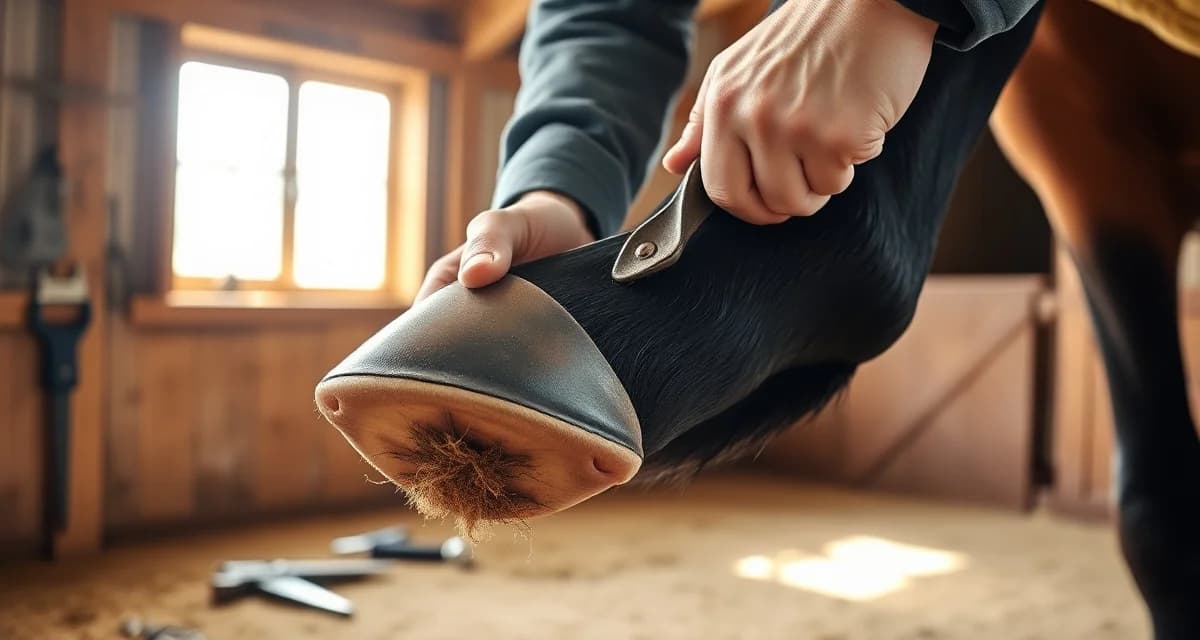
How Long Does a Farrier Appointment Take?
Farriers who track appointment duration improve their daily route accuracy by an average of 34%.
TL;DR
- Basic trim (one horse): 30-45 minutes; front shoes only: 40-60 minutes; full set of four shoes: 60-90 minutes; therapeutic or remedial shoeing: 90-120+ minutes -- these are working time estimates and do not include drive time between stops.
- Farriers tracking actual appointment duration improve daily route accuracy by an average of 34% -- most farriers underestimate how long appointments take, which makes the daily schedule unreliable.
- Horse behavior alone can add 15-30 minutes to a straightforward visit -- difficult horses that need extra management take real time, and many farriers charge an additional fee to compensate.
- For multiple horses at one stop, add approximately 45-60 minutes per additional horse after the first for between-horse transition time, handling changes, and tool management.
- Drive time is often the most impactful factor in total day length: poor routing can mean 3 hours of driving for 6 hours of work; route optimization can reduce that to 1.5 hours, returning 90 minutes that could be another appointment or an earlier finish.
- Experienced farriers typically cap at 8-10 horses per day for full sets to maintain quality and physical wellbeing.
- Per-client appointment duration settings in FarrierIQ's scheduling app build realistic time blocks that show whether the day's schedule works before the farrier is already running behind. That statistic reflects a real problem: most farriers underestimate how long their appointments take, which makes their daily schedule unreliable. Building realistic time estimates into your route planning is one of the simplest improvements you can make to your day.
Time Estimates by Service Type
Basic trim (one horse): 30-45 minutes. Pulling any existing shoe, trimming, balancing, and finishing. Shorter for well-behaved, easy-to-trim horses. Longer for horses with notable overgrowth, flares to address, or difficult hooves.
Front shoes only: 40-60 minutes. Add shoe selection, fitting, and nailing to the trim work.
Full set of four shoes: 60-90 minutes. A complete shoeing on a straightforward horse with good behavior and normal hooves. 90+ minutes for horses with challenging hooves, horses requiring notable custom fitting, or difficult horses that require extra patience.
Therapeutic or remedial shoeing: 90-120+ minutes. Complex cases involving pads, specialty shoes, custom modifications, or extensive assessment take longer. These are not standard visits.
Multiple horses at one stop: Add approximately 45-60 minutes per additional horse after the first. The between-horse transition time, handling changes, and maintaining your tools while moving from horse to horse adds time beyond the per-horse average.
What Makes Appointments Run Long
Horse behavior. A horse that's reluctant to stand, pulls feet away repeatedly, or requires notable management adds 15-30 minutes to what should be a straightforward visit. Many farriers charge an extra fee for difficult horses, which helps compensate for the time.
Hoof condition. Notable overgrowth, deep cracks, white line disease that needs attention, or imbalance that requires more extensive trimming all add time. The first visit to a new horse that hasn't been seen in months is rarely a quick appointment.
Equipment issues. Dull tools slow everything down. A shoe that doesn't fit right and needs rework. A nail that doesn't drive cleanly. These small delays add up across a full day.
Client conversations. Good client communication is part of the job, but it takes time. A barn manager who wants to talk through the horse's recent performance, or a new client who has questions about their horse's condition, extends the appointment beyond the pure work time.
How Farriers Plan Their Days
A realistic farrier day is built around the actual time each appointment takes, not an optimistic estimate. If your average full set takes 75 minutes, a day with 6 full sets needs about 7.5 hours of working time plus travel between stops.
FarrierIQ's scheduling app allows you to set appointment duration per client based on the actual time their typical visit takes. When you're routing your day, those time blocks build an accurate picture of whether the schedule works before you're already an hour behind.
The Route Optimization Effect on Day Length
One of the most impactful factors in total day length isn't appointment time. It's drive time. A farrier with poor routing might spend 3 hours driving for 6 hours of working time. With route optimization, the same stops might take only 1.5 hours of driving. That's 90 minutes returned to your day, which could be another appointment or an earlier finish.
FarrierIQ's route optimization clusters your stops geographically to minimize that drive time, making the day more productive without adding more work hours.
Setting Client Expectations
Horse owners sometimes don't understand why a full set of four shoes takes 90 minutes. Setting that expectation clearly, including arriving when the horse is ready to be worked, having a safe, accessible work area, and being present or having the horse caught and ready, reduces delays that come from client-side preparation.
Frequently Asked Questions
How long does it take to shoe a horse?
A full set of four shoes typically takes 60-90 minutes for a straightforward horse. Horses with difficult hooves or challenging behavior can take 90-120 minutes or more. Trims without shoes take 30-45 minutes. These are working time estimates and don't include travel between stops.
How many horses can a farrier shoe in one day?
A farrier doing full sets can typically complete 6-10 horses per day depending on appointment efficiency, travel time, horse behavior, and the physical demands of the work. Farriers doing primarily trims or mixed work can see more horses in a day. Many experienced farriers cap at 8-10 horses to maintain quality and physical wellbeing.
How do farriers schedule their day?
Most experienced farriers group appointments by geography to minimize drive time, schedule more demanding work earlier when energy is highest, build in buffer time for appointments that run long, and use scheduling software to plan realistic days. FarrierIQ's scheduling app handles these elements automatically, building optimized days based on each appointment's address and duration.
How should farriers communicate appointment length to new clients?
New clients often don't understand why a full set of shoes takes 90 minutes -- they may picture a quick 30-minute barn visit. Setting accurate expectations at booking reduces the friction of clients who schedule other activities too close to the farrier appointment. A brief explanation at first booking ("a full set of four shoes takes about 60-90 minutes, depending on your horse's behavior and hooves; please plan to have the horse caught and ready when I arrive") prevents the scenario where the farrier shows up to an uncaught horse that the owner didn't think needed to be caught yet because they assumed the appointment was quick. Including expected appointment duration in automated pre-visit reminders gives clients a concrete prep expectation without requiring the farrier to call ahead each time.
How does first-visit appointment length differ from return visits?
A first visit to a new horse almost always takes longer than subsequent visits. The farrier is assessing hoof condition and any existing issues from scratch, the horse may be less settled with an unfamiliar handler, and there may be more client conversation as the farrier explains their approach and any observations. Planning 15-30 minutes of additional time for first visits to new horses prevents the scenario where a first-time appointment at 9am still has the farrier running behind at noon. For horses that haven't been seen in several months -- a new client whose horse is overdue -- expect the first visit to run longer still due to overgrowth, flares, and any hoof condition issues that have developed in the gap. FarrierIQ lets you note expected appointment duration per horse and flag new or irregular horses for longer time blocks in the daily schedule.
How do farriers adjust appointment estimates for therapeutic shoeing?
Therapeutic and remedial shoeing cases require fundamentally different time planning than routine service. A straightforward pad application may add 20-30 minutes to a standard full set; a custom shoe fabrication or complex corrective case can take 120-180 minutes for a single horse. For farriers with a regular therapeutic caseload, blocking these cases as 2-3 hour appointments and scheduling them on days with fewer routine stops prevents the chain reaction of a therapeutic case running long and making every subsequent appointment late. Many farriers also build therapeutic cases into the end of a day's route rather than the middle, so an overrun doesn't create a ripple effect. Clients with therapeutic horses generally understand the longer appointment and are less time-sensitive than boarding barn clients fitting around multiple providers' schedules.
Related Articles
Sources
- American Farrier's Association (AFA), farrier practice management and time efficiency resources
- American Association of Equine Practitioners (AAEP), equine care professional resources
- National Farrier Foundation, farrier business development and professional practice resources
Get Started with FarrierIQ
Farriers building more accurate daily schedules use FarrierIQ's per-client appointment duration settings, route optimization, and scheduling tools to match realistic time blocks to each stop and build days that finish when planned. For farriers who want their schedule to reflect how long appointments actually take rather than how long they should take in theory, FarrierIQ's scheduling software provides the appointment management tools that reliable daily planning requires.