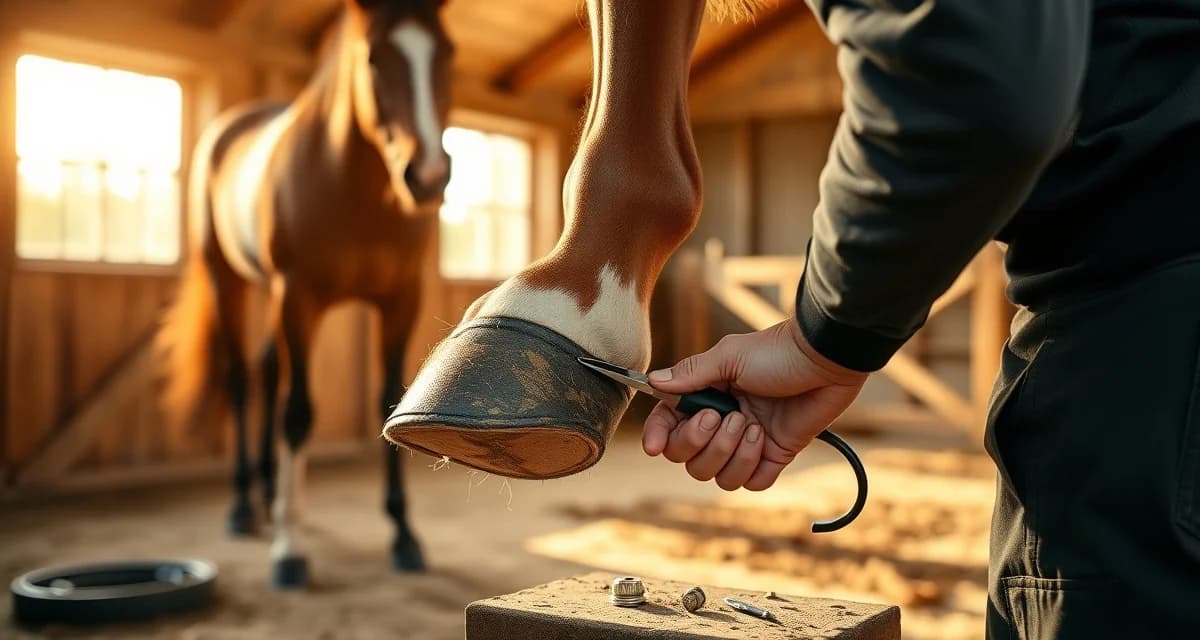
How to Find a Farrier in Michigan: Resources for Great Lakes State Horse Owners
Michigan's Upper Peninsula has significant farrier shortages with some areas going months without service. The geographic split between southern Michigan's suburban horse communities and the remote Upper Peninsula creates one of the most extreme access disparities of any state in the country. Understanding where you fall in this spectrum shapes how you search.
TL;DR
- Michigan's Upper Peninsula has farrier shortages so severe that some remote communities go months without service -- the most acute access disparity of nearly any state, and a fundamentally different search challenge than southeast Michigan's competitive market.
- Oakland County's equestrian communities (Independence Township, Orion Township, north of Auburn Hills) have Michigan's highest concentration of premium horse facilities -- professional credentials, organized records, and consistent availability are the expectations here.
- Four search approaches for southeast Michigan: AFA directory (strong Oakland/Livingston/Washtenaw coverage), Oakland County barn managers (most current availability information), MSU veterinary community connections, and your equine vet referral.
- UP strategy is different: contact your county equine vet, ask local feed stores for bulletin board contacts, join Michigan horse owner communities online, and coordinate neighborhood group visits to make a farrier's drive worthwhile.
- Grand Rapids and west Michigan have reasonable farrier supply with more availability than Oakland County's competitive premium market -- west Michigan farriers may take new clients when southeast Michigan counterparts cannot.
- Northern lower peninsula (Traverse City, Gaylord, Petoskey) has seasonal demand spikes from vacation horse owners -- scheduling appointments before summer peak is practical for year-round residents.
- Farriers using FarrierIQ's horse owner portal are especially worth prioritizing in the UP, where professional online presence and records access are meaningful signals of reliability in a market with very limited options.
Michigan's Horse Regions
Southeast Michigan: Oakland, Livingston, and Washtenaw Counties
Oakland County's equestrian communities - Independence Township, Orion Township, and the communities north of Auburn Hills - have the state's highest concentration of premium horse facilities. This market expects professional service, AFA credentials, and organized records. Farrier supply is adequate but established practitioners are consistently busy.
Lansing and Mid-Michigan
Ingham, Eaton, and Clinton counties have agricultural and pleasure horse communities. Michigan State University's veterinary program creates an informed equine owner demographic in this region.
Grand Rapids and West Michigan
Kent County and surrounding west Michigan communities have suburban pleasure horse owners. Farrier supply is reasonable.
Northern Lower Peninsula
The northern lower peninsula - Traverse City area, Gaylord, Petoskey - has horse communities split between year-round residents and summer seasonal horse owners. The vacation horse community creates seasonal demand spikes.
Upper Peninsula
The Upper Peninsula is where Michigan's farrier crisis is most acute. The UP has a large geographic area, significant horse populations in agricultural and recreational contexts, and severely limited farrier supply. Remote UP communities - away from the US-2 or US-41 corridors - may go months between farrier visits. Some UP horse owners haul their horses hours to access regular service.
Finding a Michigan Farrier
American Farrier's Association Directory
The AFA directory at americanfarriers.org covers southern Michigan reasonably well. UP listings are sparse, accurately reflecting the supply shortage. Filter by credential and county - Oakland, Livingston, and Washtenaw have the best coverage.
Your Barn Manager
For southeastern Michigan, Oakland County barn managers are your best real-time resource. They know current availability and quality among local practitioners. For the UP, barn managers are equally valuable - they often know which farriers occasionally extend routes into their area.
Michigan State University Extension
MSU Extension's equine resources sometimes include regional farrier contacts, particularly for agricultural communities. Their extension offices in UP counties occasionally have local referral information.
Your Equine Vet
Michigan's equine veterinary community is strongest in the southeast and Lansing areas. Your vet's farrier referral is especially valuable for horses with hoof health conditions.
FarrierIQ Owner Portal
Michigan farriers using FarrierIQ's horse owner portal can be found and evaluated online. Michigan farrier software users signal professional organization that Oakland County's premium market expects. For UP horse owners, any farrier with professional online presence and records access is worth prioritizing given the scarcity of options.
Frequently Asked Questions
How do you find a farrier in the Michigan Upper Peninsula?
Finding UP farrier service is genuinely difficult and requires persistence. Start with the AFA directory but expect limited results. Contact the nearest equine vet in your area - they know which farriers travel to or occasionally serve the UP. Online Michigan horse owner communities often include UP members who share current information about which farriers are available. Some UP horse owners haul horses to the Traverse City or Sault Sainte Marie corridor to access farrier service. Others coordinate neighborhood group farrier visits - gathering 4-6 horses at one location to make a farrier's drive to the area worthwhile. The Michigan Horse Council may have UP-specific contacts.
What resources help find farriers in the Grand Rapids Michigan area?
Grand Rapids farrier resources include the AFA directory filtered to Kent County and adjacent counties, the West Michigan Horsemen's Association, and local boarding barn referrals in the Rockford, Ada, and Lowell communities east of Grand Rapids where horse density is highest. Your equine vet in the Grand Rapids area can provide referrals, particularly for horses with specific health needs. West Michigan's horse community is less competitive than Oakland County's premium market, which means established farriers there may have more availability for new clients than their southeast Michigan counterparts.
Is there a farrier directory for the Oakland County MI equestrian community?
The AFA directory covers Oakland County. The Michigan Horse Council has contacts in the southeast Michigan market. The equestrian communities around Independence and Orion townships have active local horse owner groups online -- Facebook groups for Oakland County horse owners often have current, specific recommendations from people with firsthand experience. Noting which farrier names come up consistently across multiple recommendation sources in Oakland County is a reliable way to identify the practitioners who have strong community standing in this competitive premium market.
How should a Michigan UP horse owner plan their farrier schedule given access constraints?
The practical approach for most UP horse owners is to plan around the farrier's travel schedule rather than ideal hoof care intervals. If a farrier extends routes into your area every 8-10 weeks rather than the ideal 6-week interval, work with that schedule and discuss with your vet whether any supplemental hoof maintenance (trimming, boot use) can manage the gap. Many UP horse owners coordinate visits in advance by gathering multiple horses at one property -- bringing together 4-6 horses from neighboring properties makes the farrier's extended drive economically worthwhile and secures your place in the visit. Build this relationship before you urgently need it. If your horse has therapeutic or corrective hoof needs that genuinely require a 4-6 week interval, hauling to a Traverse City or Sault Sainte Marie area farrier on a fixed schedule may be the only reliable solution. Identify that option before winter road conditions make hauling impractical.
What should Michigan horse owners look for when evaluating farrier credentials in different parts of the state?
Credential expectations in Michigan vary significantly by market. Oakland County's premium facilities expect AFA Certified Farrier (CF) as a baseline, with CJF increasingly expected for performance horse accounts and top boarding facilities. In the Grand Rapids and mid-Michigan markets, CF with solid local references is typically sufficient for pleasure horse accounts. In the UP and northern lower peninsula's more rural communities, the realistic standard may be a Registered Farrier with strong practical experience and verifiable local references -- scarcity limits the field. Regardless of region, verify that any Michigan farrier carries current liability insurance. For horses with corrective or therapeutic needs anywhere in Michigan, the appropriate credential is CJF with therapeutic endorsement; if that is not available locally, your equine vet at MSU or at a regional referral practice can help you identify the nearest qualified practitioner and may be able to coordinate a referral visit.
Sources
- American Farrier's Association (AFA), Michigan member directory and credential verification
- Michigan Horse Council, Michigan equine industry resources and farrier referrals
- American Association of Equine Practitioners (AAEP), equine veterinarian directory for Michigan
- Michigan State University Extension, equine resources for Michigan agricultural communities
Get Started with FarrierIQ
Michigan farriers using FarrierIQ maintain professional records accessible through the horse owner portal -- giving Oakland County premium clients the documentation visibility they expect and giving UP horse owners a way to evaluate farrier professionalism before booking a long-distance visit. For farriers serving Michigan's varied markets from southeast suburban routes to UP extended-travel accounts, Michigan farrier software handles the scheduling, records, and route management that professional practice across the state's geography requires. Learn more about what professional farrier service looks like across Michigan's diverse horse communities.