What Is a Hoof Growth Cycle? How Farriers Track It
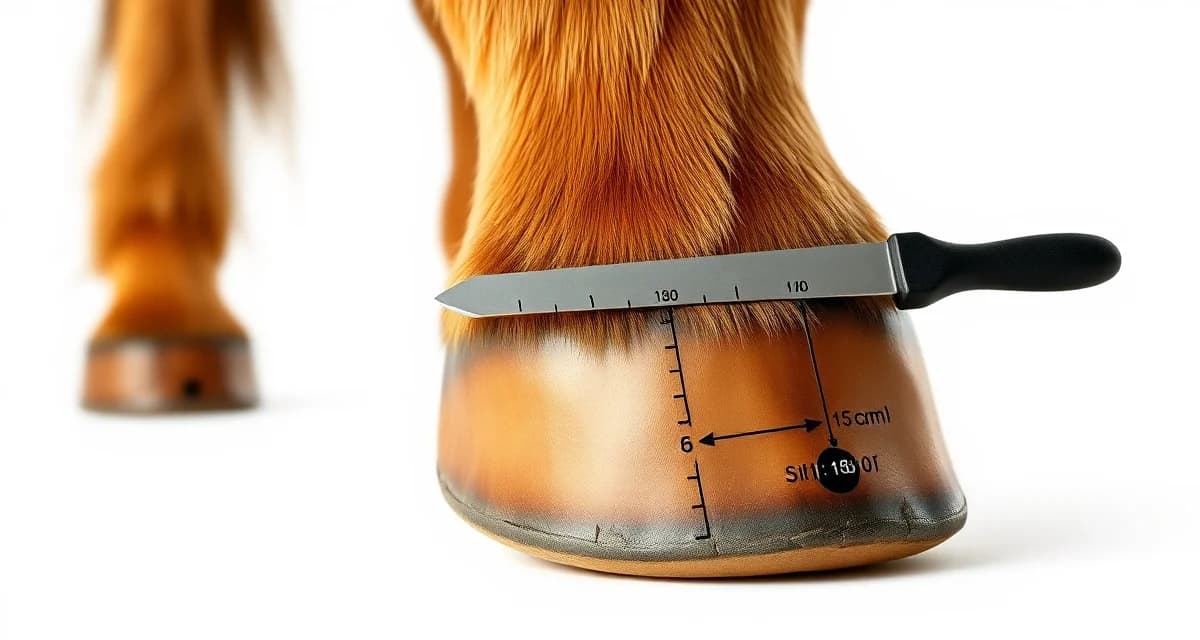
The hoof growth cycle refers to the continuous process by which a horse's hoof wall grows downward from the coronary band to the toe. It's not seasonal or episodic -- it's constant, similar to how fingernails grow, and understanding the rate and quality of that growth is one of the core skills in farrier work.
TL;DR
- The average horse grows approximately 1 centimeter of hoof wall per month, replacing the entire hoof wall over 10 to 12 months.
- Growth rate varies significantly by breed, age, season, diet, and workload, meaning the standard 6-to-8-week interval is a starting point, not a fixed rule.
- Spring and summer growth is typically faster than fall and winter growth, and some farriers adjust client intervals seasonally to match.
- Disruptions to the growth cycle, such as laminitic rings or horizontal ridges, are visible in the hoof wall and reflect the horse's health history.
- Farriers managing 60 or more horses benefit from software that logs individual growth observations visit to visit, enabling accurate per-horse interval calibration.
The average horse grows approximately 1 centimeter of hoof wall per month under normal conditions. Over the course of a full year, that adds up to roughly 10 to 12 centimeters of new hoof -- enough to replace the entire hoof wall from coronary band to ground surface. In practice, that growth rate determines how frequently a horse needs trimming or reshoing, and it varies considerably from horse to horse.
Why the Growth Cycle Matters for Scheduling
If every horse grew hoof at exactly the same rate under exactly the same conditions, scheduling would be simple. You'd put every horse on the same interval and move on. Real horses don't work that way.
Growth rate varies based on breed, age, diet, environment, workload, and overall health. An Andalusian on a rich pasture diet during summer may grow significantly more hoof per month than a draft horse in a dry winter paddock. A horse recovering from laminitis will have disrupted growth patterns that don't match the standard interval at all.
The growth cycle also interacts with hoof quality. Fast-growing but brittle hoof may actually need more frequent attention than slow-growing but dense hoof, because the fast-grower may be losing ground integrity faster than it's gaining it. A farrier who only looks at calendar intervals rather than actual hoof condition and growth rate is missing critical information. This is especially relevant when managing horses with chronic hoof conditions, where growth patterns can shift from visit to visit.
Factors That Affect Hoof Growth Rate
Nutrition: Hoof growth is directly tied to nutritional status. Horses with adequate biotin, methionine, zinc, and overall caloric intake grow hoof at a healthy rate. Nutritional deficiencies slow growth and often degrade hoof wall quality simultaneously.
Season: Most horses grow hoof faster in spring and summer than in fall and winter. Warmer temperatures and higher moisture levels support faster cellular turnover at the coronary band. Some farriers adjust their client intervals seasonally to account for this, scheduling tighter intervals in peak growing months and extending them slightly in winter.
Age: Young horses generally grow hoof faster than older horses. Foals and yearlings may need trimming more frequently than mature horses simply because their growth rate is higher. Senior horses often have slower growth rates alongside reduced hoof quality.
Workload and surface: Exercise promotes blood circulation to the hoof, which accelerates growth. A horse in regular work on varied footing typically grows hoof faster than a horse in light use or turnout only. Hard surfaces like pavement also cause more wear, which means the interval between services may appear shorter even if the growth rate isn't actually faster.
Breed differences: Thoroughbreds and Arabians often have thinner, faster-growing hoof walls than heavier-boned breeds like draft horses. Warmbloods tend to have denser hoof that grows more slowly but holds shoes well. Understanding breed tendencies helps set realistic interval expectations. Farriers who work across multiple disciplines benefit from building breed-specific notes into their horse records to surface these patterns over time.
How Farriers Use the Growth Cycle
Most farriers think about growth cycles as part of interval planning. The standard 6-to-8-week interval that gets quoted in horse care articles is based on the average growth rate for an average horse under average conditions. It's a starting point, not a prescription.
In practice, a farrier who tracks each horse's actual growth between visits will develop a much more accurate individual interval. Some horses genuinely need a 5-week interval because they grow fast and their hoof quality starts breaking down before 6 weeks. Others do fine at 10 weeks because they grow slowly and their hoof structure holds up well. The calendar recommendation and the horse's actual needs aren't always the same number.
Tracking hoof cycles with software makes this kind of individual calibration possible at scale. If you're managing 60 or 80 horses, you can't hold each horse's individual growth pattern in your head. A system that logs your observations visit to visit lets you identify the horses whose intervals need adjustment and set overdue alerts that account for those individual schedules.
Growth Cycle Disruptions
Sometimes the normal growth cycle gets interrupted. Laminitis causes rotation and disrupts the uniformity of growth, often creating irregular rings in the hoof wall called laminitic rings. White line disease can compromise the inner hoof wall faster than new growth replaces it. Nutritional deficiencies show up as horizontal ridges or bands of weaker material that grew during a period of compromised nutrition.
When a farrier sees disrupted growth patterns in the hoof wall, it's often reading the horse's health history. Rings that converge at the toe and spread apart at the heel indicate historical laminitic episodes. An unusually wide horizontal ridge may mark a period of illness, dietary change, or major stress.
These visible signs in the hoof wall are part of why regular farrier visits matter beyond just trimming and shoeing. A farrier who sees the same horse every 6 to 8 weeks is reading the horse's condition continuously, not just maintaining the foot.
Frequently Asked Questions
How long does it take a horse's hoof to grow?
The average horse grows approximately 1 centimeter of hoof wall per month, which means a full hoof replacement from coronary band to ground contact takes about 10 to 12 months. Growth rate varies by horse, season, diet, and workload. Summer growth is typically faster than winter growth. Foals and horses in heavy work with good nutrition tend to grow at the upper end of the range. Older horses and those with nutritional issues may grow more slowly or with reduced quality.
What affects how fast a horse's hooves grow?
The biggest factors are nutrition, season, age, exercise level, and breed. Horses with adequate biotin and zinc in their diet grow hoof at a healthy rate. Spring and summer warmth accelerates the cellular activity at the coronary band, speeding growth. Regular exercise increases blood flow to the hoof, which also promotes faster growth. Young horses grow faster than seniors. Thoroughbreds and Arabians typically grow more quickly than draft breeds, though hoof density and quality vary as well.
How do farriers use hoof growth cycles to schedule appointments?
Farriers use their knowledge of each horse's growth rate to calibrate individual appointment intervals rather than applying a one-size-fits-all schedule. A horse that grows quickly may need a 5-week interval while a slow-growing horse with dense hoof can go 8 to 10 weeks comfortably. Tracking this data in FarrierIQ lets farriers log observations visit to visit and identify patterns over time, making interval decisions based on actual hoof condition rather than a generic calendar guideline.
Can hoof growth rate change over time for the same horse?
Yes, a horse's growth rate can shift as it ages, changes diet, moves to a new environment, or experiences a health event. A horse that needed 6-week intervals at age 8 may do better on 8-week intervals at age 18 as growth slows. Seasonal variation also means the same horse may need tighter intervals in summer and longer ones in winter. Logging growth observations consistently over multiple years is the most reliable way to catch these shifts before they affect hoof condition.
Should farriers communicate hoof growth observations to horse owners?
Sharing growth observations with owners is a practical way to reinforce the value of consistent scheduling and flag potential nutritional or health concerns early. If a farrier notices a sudden slowdown in growth or a new horizontal ridge forming, that information is useful to the owner and their veterinarian. Brief notes recorded after each visit, whether in a paper log or farrier business software, make it easier to communicate specific findings rather than relying on memory at the next appointment.
Does shoeing affect hoof growth rate compared to barefoot trimming?
The shoe itself does not significantly change the rate of growth at the coronary band, since growth originates there regardless of what is on the ground surface. However, shoes reduce wear at the toe and heel, which means the hoof appears to grow longer between visits than it would on a barefoot horse in similar work. Barefoot horses on abrasive surfaces may wear hoof faster than it grows, which can shorten effective intervals even if the biological growth rate is the same.
Sources
- American Farrier's Association (AFA), industry standards and farrier education resources
- Kentucky Equine Research, nutrition and hoof growth studies
- University of California Davis School of Veterinary Medicine, equine hoof care and laminitis research
- The Horse: Your Guide to Equine Health Care, hoof growth and farrier interval coverage
- Cornell University College of Veterinary Medicine, equine podiatry and hoof wall anatomy resources
Get Started with FarrierIQ
FarrierIQ gives you a practical way to put everything covered in this article to work, logging individual hoof growth observations, setting per-horse intervals, and flagging overdue appointments before they become problems. Whether you're managing a small client list or tracking growth patterns across dozens of horses, the platform keeps that detail organized and accessible visit to visit. Try FarrierIQ free and see how tracking the growth cycle for each horse changes the way you plan your schedule.