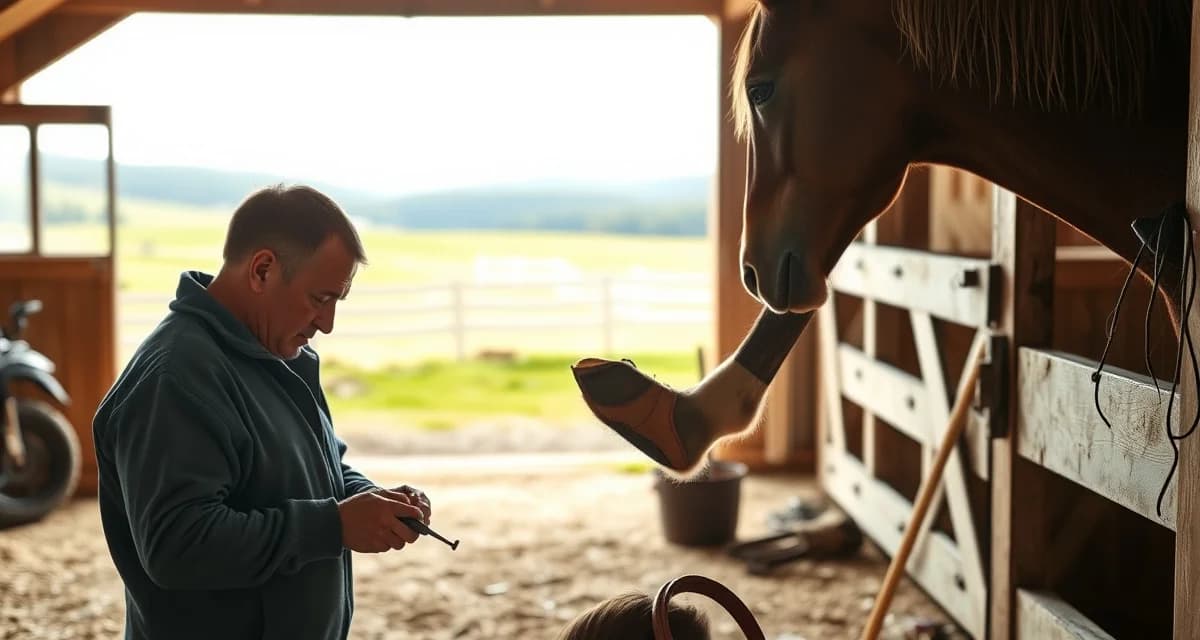
Farrier Scheduling Software for New Hampshire: White Mountain Routes
New Hampshire's horse population is concentrated in the seacoast and Merrimack Valley regions, but the horse community that gets the most attention from landscape photographers lives in the White Mountain foothills and Lakes Region.
TL;DR
- New Hampshire's horse population concentrates in Rockingham County (seacoast: Exeter, Sandown, Kensington) and Merrimack County (Concord-Hopkinton area) where dense suburban routing can fit 10-12 stops per day -- the White Mountain foothills and Lakes Region require dedicated route days with completely different planning logic.
- Lakes Region (Moultonborough, Meredith, Ossipee) and mountain community stops work best as separate dedicated route days -- mixing these with seacoast clients adds notable drive time due to the geography of lakes and mountain terrain.
- Cell coverage in the Lakes Region and White Mountain community areas is unreliable -- offline functionality is required for consistent field operation across NH mountain routes.
- The Dartmouth-Hanover Upper Valley market includes horse owners with academic and professional backgrounds who value detailed records and clear clinical communication about interval recommendations.
- New Hampshire's show season runs spring through fall with the Deerfield Fair and agricultural events in September -- pre-show appointment planning is a professional value-add for the active hunter/jumper and western show community in the southern tier.
- No competing farrier software addresses New England mountain terrain route planning -- this is a gap FarrierIQ fills for NH farriers with Lakes Region and White Mountain accounts.
- New Hampshire farriers using FarrierIQ handle dense seacoast corridor routing, offline mountain community stops, and show horse scheduling in one platform that adapts to the state's geographic range. Trail horses, farm horses, and mountain riders in Ossipee, Conway, and Tamworth are part of the NH farrier's territory, and the routing and coverage realities of those communities are different from the seacoast.
No competitor addresses New England mountain terrain route planning the way FarrierIQ does. That's a gap in a state where mountain farm communities create genuine routing challenges.
The Seacoast and Merrimack Valley
The densest concentration of horses in New Hampshire runs through Rockingham County on the seacoast and Merrimack County in the center of the state. Communities like Exeter, Sandown, Kensington, and the Concord-Hopkinton area have enough horse density to support efficient routing. Stops are close together, clients are suburban, and the scheduling needs are similar to any New England suburban market.
FarrierIQ's route optimization clusters your seacoast and Merrimack Valley stops into efficient corridor runs. A good Rockingham County day can fit 10-12 stops if the routing is built right.
White Mountain and Lakes Region Communities
The Lakes Region around Moultonborough, Meredith, and the Ossipee area has a horse community that's more spread out and more rural than the seacoast. These clients are often trail horse owners who use the White Mountain trail system, and their horse management reflects that.
Routing in the Lakes Region requires planning around the geography of the lakes and the mountain terrain. FarrierIQ's scheduling lets you build Lakes Region days as a dedicated run rather than trying to mix those stops with seacoast clients.
Cell coverage in the Lakes Region and in some mountain community areas can be unreliable. FarrierIQ's offline functionality handles the farm stops where you lose signal, working through your entire day without connectivity requirements.
Upper Valley and Western NH
The Connecticut River Valley in western New Hampshire, including the Lebanon-Hanover area, has a horse community connected to both the academic community around Dartmouth and the rural agricultural character of Grafton and Sullivan counties.
These clients are often thoughtful and engaged with their horses' care. Detailed records and clear communication are appreciated in this market.
Scheduling Around the Show Calendar
New Hampshire has active hunter/jumper and western horse show communities, particularly in the southern tier of the state. The show season runs from spring through fall, with the Deerfield Fair and other agricultural events adding to the horse calendar in September.
FarrierIQ's scheduling app keeps your show clients on proper intervals and allows you to plan pre-show appointments around the NH show calendar.
Frequently Asked Questions
What farrier software is best for New Hampshire?
FarrierIQ handles the geographic diversity of New Hampshire well, from the dense seacoast routes to the mountain and Lakes Region communities. Its offline functionality is useful for farms in rural areas with inconsistent coverage.
How do I plan a farrier route in New Hampshire's mountain communities?
Lakes Region and White Mountain stops work best as dedicated route days separate from your seacoast and Merrimack Valley runs. The geography of the mountain terrain means mixing zones adds notable drive time. FarrierIQ's route optimization helps you build efficient mountain days based on the actual locations of your clients.
Does FarrierIQ work for New Hampshire's rural horse farms?
Yes. The offline mode handles farm locations in rural NH where coverage can be spotty, particularly in the mountains and Lakes Region. Records, invoicing, and scheduling all work offline and sync automatically when you're back in coverage.
How should New Hampshire farriers approach the Upper Valley (Dartmouth/Hanover) market?
The Lebanon-Hanover Upper Valley market includes horse owners associated with Dartmouth, DHMC, and the professional community in the Connecticut River Valley. These clients tend to be detail-oriented and value farriers who can explain their recommendations with specific clinical reasoning rather than generic schedules. When adjusting intervals, noting the specific observation driving the change -- "hoof wall growth rate slightly slower than summer, extending to 7 weeks for fall" -- satisfies the analytical orientation of this demographic. The horse owner portal resonates with Upper Valley clients who want to track their horse's service history between visits. For farriers building new accounts in this market, professional records and clear communication are more effective differentiators than they are in less academically oriented communities elsewhere in NH.
What documentation practices help New Hampshire farriers with winter mountain access challenges?
White Mountain and Lakes Region clients whose properties become difficult to access in winter -- unplowed farm lanes, steep approaches on mountain terrain -- need a clear communication protocol established before the first winter event. The practical approach is to note each client's winter access status in their FarrierIQ profile (paved access year-round, seasonal difficulty from December to March, specific conditions that trigger access problems) and use that information when building the November-February schedule. For clients at genuine winter access risk, scheduling a late October visit with a slightly longer planned interval (8-10 weeks instead of 6-8) positions the horse to carry through a potential February access gap without becoming overdue. Building the winter plan into each horse's profile means the information is available when you are scheduling spring visits and need to remember which clients need early March priority.
How should New Hampshire farriers approach the September show season and Deerfield Fair scheduling?
New Hampshire's September agricultural show season -- including the Deerfield Fair, one of the largest agricultural fairs in the Northeast -- creates a pre-show appointment surge in August and early September. Farriers serving show clients in the southern tier who are preparing for fall events need to identify those horses by early August and build pre-show service windows into August scheduling. A show horse that needs shoeing 10-14 days before a September fair means August booking fills fast if you have multiple show clients. Proactively reaching out to September show clients in late July -- "I'm building pre-fair schedules, let me know your fair dates" -- prevents the reactive scramble of last-week appointment requests. FarrierIQ's scheduling tools let you enter each horse's competition dates and flag pre-show windows in advance.
Sources
- American Farrier's Association (AFA), New Hampshire member directory and credential information
- New Hampshire Horse Council, New Hampshire equine industry resources
- American Association of Equine Practitioners (AAEP), equine veterinarian directory for New Hampshire
- University of New Hampshire Cooperative Extension, equine resources for New Hampshire agricultural communities
Get Started with FarrierIQ
New Hampshire farriers managing seacoast corridor routes, White Mountain and Lakes Region offline territory, and show horse scheduling through the NH fair season use FarrierIQ's zone-based route optimization, offline capability, and professional records tools to run organized practices across the Granite State's geographic range. For farriers serving New Hampshire's horse community from the seacoast to the White Mountains, farrier software for New Hampshire provides the scheduling and documentation tools that professional practice in the Granite State requires.