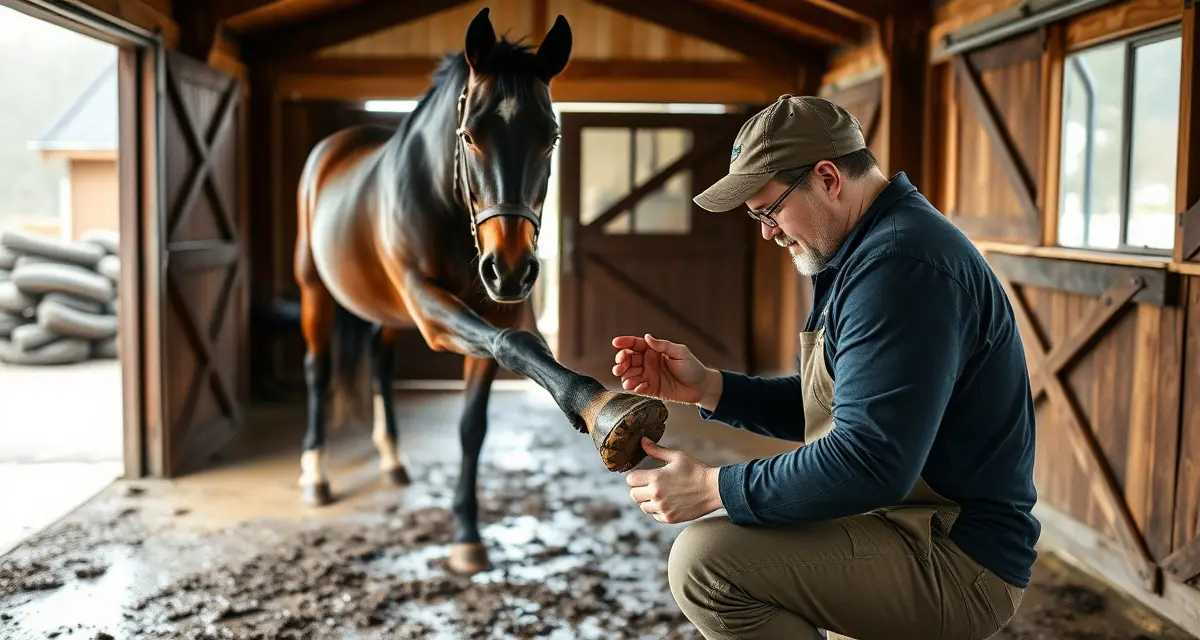
Farrier App for Seattle WA: Managing Pacific Northwest's Wet Season Horse Book
Seattle's 30,000-plus horse metro is one of the most distinctive farrier markets in the country, and not just because of the rain. The Snohomish County barn corridor, the Woodinville equestrian community, and the communities in King County's rural edges all have dense horse populations within striking distance of a major city. But the wet season creates conditions that no other major market quite matches.
Wet hooves, muddy barn conditions, and horses that are pulling shoes more often because of soft ground. The hoof condition tracking needs of a Seattle-area farrier are real and specific.
TL;DR
- Seattle metro has 30,000+ horses across King, Snohomish, and Pierce counties -- one of the largest suburban horse markets in the Pacific Northwest, with year-round scheduling demand that doesn't slow down in winter.
- October through April wet season accelerates specific hoof problems: soft wall, thrush, and white line disease at elevated rates for horses standing in muddy paddocks -- seasonal hoof documentation per horse is essential, not optional.
- Snohomish County (Monroe, Sultan, Highway 9 rural corridor) has inconsistent cell coverage -- FarrierIQ's offline mode handles rural north county stops without connectivity gaps affecting invoicing or records.
- Woodinville's northeast King County suburban horse community has high client expectations for professional presentation -- educated Seattle-area horse owners research their service providers and expect organized digital systems.
- Consistent scheduling through the wet season prevents the appointment pile-up that occurs when clients are allowed to repeatedly postpone due to weather -- automated reminders are the practical tool for keeping intervals intact.
- No Washington state farrier licensing requirement exists -- but Seattle's professional suburban horse owner demographic rewards AFA credentials and organized documentation comparable to any major West Coast market.
- Pierce County (Puyallup, Graham, Orting) extends the southern reach of the Seattle territory -- a dedicated south county day can be added once the King and Snohomish book reaches capacity.
The Wet Season Reality
From October through April, Pacific Northwest farriers are working in conditions that accelerate certain hoof problems. Wet hoof walls are softer and more prone to losing shoes. Thrush is endemic in some barns. White line disease can appear in horses that are standing in mud regularly. Hoof quality tracking that captures these seasonal patterns helps you catch problems early and have better conversations with clients about management.
FarrierIQ's hoof health records include condition notes that capture exactly this kind of seasonal context. Logging hoof condition at each visit, including white line condition, wall quality, and any moisture-related changes, gives you a record that spans seasons and shows how each horse responds to Pacific Northwest conditions.
Snohomish County and the North King County Corridor
Snohomish County is horse country. Monroe, Sultan, Snohomish town itself, and the rural land spreading east of Highway 9 hold a notable equestrian population. These clients are often on rural properties where cell coverage can be inconsistent. FarrierIQ's offline app lets you work a full day in low-coverage areas, recording visits and logging notes offline, and syncing everything when you're back in range.
The Woodinville area in northeast King County has a denser suburban horse community, with good coverage but often smaller properties and higher client expectations for professional presentation.
Scheduling Through the Wet Season
The wet season doesn't mean horses stop needing farrier visits. If anything, the volume of phone calls goes up as more shoes come off in muddy conditions. Managing your schedule through the fall and winter requires the same discipline it does in summer, maybe more so.
FarrierIQ's automated reminders keep your clients on their regular intervals even when the weather makes everyone want to postpone. An appointment reminder a week out often gets clients to commit to a time rather than putting it off until things dry out.
What the PNW Market Rewards
Seattle-area horse owners tend to be educated consumers. They research their service providers. They want to know their farrier has a system. Showing up with a mobile app that tracks their horse's hoof history, sends professional invoices, and provides appointment reminders communicates competence immediately.
Frequently Asked Questions
What farrier app is used near Seattle Washington?
FarrierIQ is used by farriers across the Seattle metro and surrounding Pacific Northwest communities. Its offline mode is particularly useful for farriers working in Snohomish County and other rural areas where cell coverage can be spotty.
How do Snohomish County farriers handle winter scheduling?
Consistent scheduling through the wet season keeps horses on their intervals and prevents the pile-up of overdue horses that comes when appointments are constantly being deferred due to weather. FarrierIQ's automated reminders help maintain those intervals by prompting clients to commit to appointments rather than continually postponing.
Is there farrier software for the Woodinville WA horse community?
Yes. FarrierIQ covers the full Seattle metro, including Woodinville, Snohomish County, and all of King and Pierce counties. It handles the full range of a Pacific Northwest farrier's administrative needs, from scheduling and invoicing to hoof condition tracking through the wet season.
How should Seattle-area farriers structure route days across King, Snohomish, and Pierce counties?
The most efficient Seattle structure keeps each county cluster as its own dedicated route day rather than mixing county stops across the week. North county days (Snohomish County -- Monroe, Sultan, Snohomish town, rural Highway 9 corridor) require offline preparation before leaving the Woodinville or Bothell coverage zone; east King County days (Woodinville, Duvall, Fall City, Carnation) run suburban-dense routes where FarrierIQ's route optimization sequences stops for maximum horses-per-day efficiency; south county days (Puyallup, Graham, Orting in Pierce County) are dedicated southern loops that don't mix with north county stops. Running each zone as its own day prevents the inefficiency of cross-county backtracking that can add 90 minutes to a mixed-zone day.
What wet season documentation practices matter most for Seattle-area horse owners?
Seattle-area horse owners who work in tech, healthcare, and research -- the dominant professional demographics of the metro -- respond to longitudinal data about their horse's hoof condition in the same way they respond to data in their professional lives. A per-horse wet season documentation record that shows hoof wall condition, white line status, and thrush indicators at each visit from October through April creates a visual narrative that educated owners find genuinely useful. By February, you can show a Woodinville client which of their horses has managed the wet season well and which is trending toward a white line issue that warrants management changes. That documentation-driven conversation builds trust at a deeper level than subjective assessments. The farrier hoof health records guide covers the wet season tracking practices that resonate most with analytically-minded Pacific Northwest horse owners.
Sources
- Washington State Department of Agriculture, Washington horse population and Puget Sound equine industry data
- Washington State University Extension, equine management resources for Western Washington and Pacific Northwest communities
- American Farrier's Association (AFA), Northwest regional farrier professional resources
- King County Rural and Agricultural Program, equine property and land use data
Get Started with FarrierIQ
Seattle's 30,000+ horse wet-season market with rural Snohomish County offline gaps and a professional suburban demographic that expects organized digital systems requires both offline-first architecture and wet season documentation depth -- FarrierIQ's offline farrier app, hoof health records, and automated reminders for wet season interval maintenance handle all of it. Try FarrierIQ free and set up your first Snohomish County route with offline sync before your next north county day.