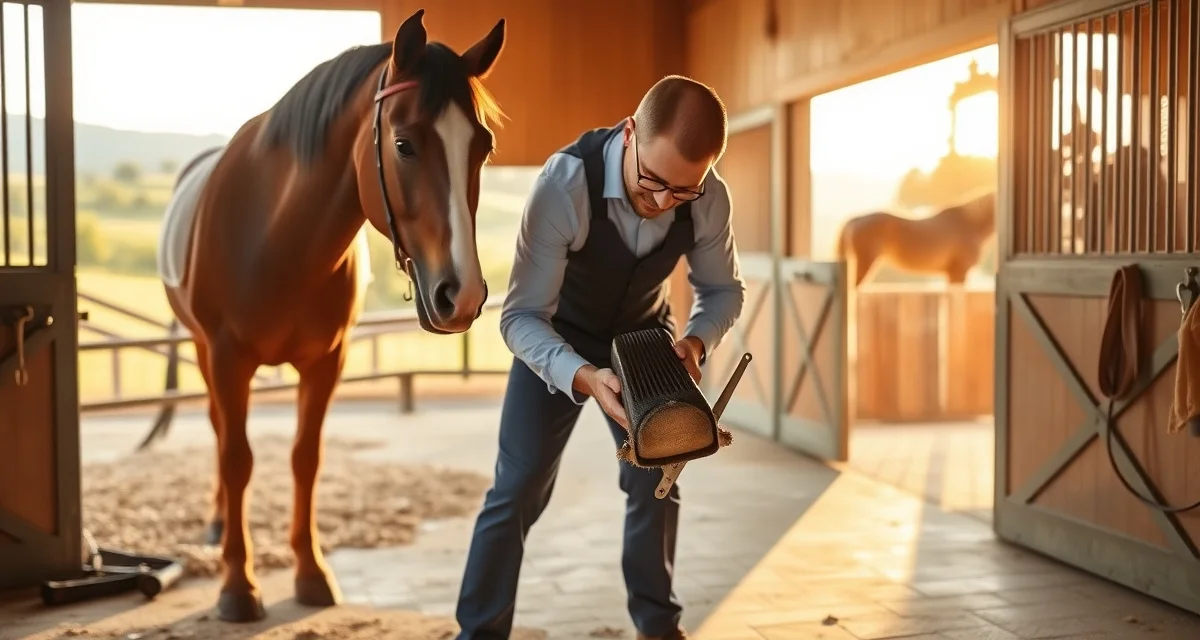
Farrier App for San Francisco Bay Area CA: Managing Premium NorCal Horse Community
The San Francisco Bay Area has 45,000+ horses with among the highest average horse values in the United States. From the Marin County trails to the South Bay's competitive show barns to the East Bay's Oakland Hills equestrian communities, Bay Area horse owners represent the most premium farrier market in Northern California.
Premium markets have premium expectations. Bay Area horse owners can access 24/7 information about almost every other aspect of their lives -- they expect the same from their farrier.
TL;DR
- San Francisco Bay Area has 45,000+ horses with among the highest average horse values in the US -- Woodside and Portola Valley Peninsula properties routinely board horses worth six figures, and Marin, Pleasanton, and South Bay also represent premium market territory.
- Bay Area horse owners expect 24/7 digital access to their horse's records -- the horse owner portal's direct record access is not optional in this market; it's the professional baseline that separates retained accounts from ones that move to a competitor.
- Peninsula clients in Woodside, Portola Valley, and Los Altos Hills represent some of the wealthiest equestrian neighborhoods in the US -- complete hoof records with photos, vet coordination notes, and prompt digital invoicing are the non-negotiable baseline.
- Marin County's terrain means you can't assume efficient point-to-point travel -- routing that accounts for winding roads and terrain variation is essential for efficient Marin days.
- Pleasanton and the Tri-Valley area is the Bay Area's most active equestrian hub -- county fairgrounds, major horse events, substantial pleasure horse populations in Danville and San Ramon.
- No California state farrier licensing requirement exists -- but Bay Area's premium market effectively requires AFA CJF as a baseline; farriers without credentials competing for Woodside or Marin accounts are at a significant disadvantage.
- Farriers who offer premium records access and professional service in the Bay Area charge more per visit and keep clients longer -- premium professional operation is a direct revenue driver in this market.
What Premium Bay Area Clients Actually Expect
Marin County barn managers, Woodside show horse owners, and Pleasanton pleasure horse clients aren't just evaluating your technical skill. They're evaluating your professionalism as a service provider. That means digital records they can reference, invoices that arrive promptly and professionally, and appointment reminders that respect their schedule.
FarrierIQ's horse owner portal gives Bay Area clients direct access to their horse's records at any time. They can see the shoeing history, hoof condition notes, and upcoming interval without calling you. That kind of transparency is exactly what a Bay Area horse owner -- accustomed to premium digital service across every category -- expects from their farrier.
Farriers who offer this level of professionalism charge more per visit and keep clients longer. That's not speculation -- it's the measurable difference between a premium service provider and one who gets shopped on price.
Marin County: Trail Country Plus Premium Stables
Marin has two distinct horse communities. The trail-riding culture centered around the MMWD watershed and Point Reyes National Seashore attracts pleasure horses and distance riders. The Novato and Nicasio areas have traditional boarding operations and private farm accounts.
Routing through Marin takes planning. The county's terrain means you can't assume efficient point-to-point travel. FarrierIQ's route optimization maps your Marin clients and sequences stops realistically, accounting for the winding roads and varied terrain that make Marin routing more complex than flat suburban markets.
The Peninsula: Woodside, Portola Valley, and Los Altos Hills
The Peninsula horse communities are among the wealthiest equestrian neighborhoods anywhere in the US. Properties in Woodside and Portola Valley routinely board horses worth six figures. These clients expect and will pay for the most professional farrier service available.
Detailed per-horse records, complete hoof condition documentation with photos, vet coordination notes, and prompt digital invoicing -- these are not extras in Woodside. They're the baseline expectation. FarrierIQ's record system provides everything these clients require, and the owner portal gives them access without having to ask you.
East Bay: Pleasanton, Danville, and the Diablo Range Foothills
The Tri-Valley area east of the Oakland Hills is the Bay Area's most active equestrian hub. Pleasanton has the county fairgrounds and hosts major horse events. Danville and San Ramon have significant pleasure horse populations. The foothills approaching Mount Diablo extend into more rural territory.
For foothills accounts where coverage drops, FarrierIQ's offline mode keeps your record-keeping and invoicing intact without a connection. Client data syncs automatically when you return to the valley.
Frequently Asked Questions
What farrier app is used in the Bay Area?
FarrierIQ is used by Bay Area farriers who serve the premium NorCal horse market across Marin, the Peninsula, the East Bay, and the South Bay. The app's horse owner portal is particularly important in the Bay Area, where clients expect digital access to their horse's records. Route optimization helps farriers navigate the Bay Area's geography efficiently across multiple counties. The combination of professional records, client-facing transparency, and route efficiency addresses the Bay Area market's specific demands better than generic service-business software.
How do Marin County farriers manage premium horse barn accounts?
Marin County farriers using FarrierIQ establish detailed per-horse records from the first visit and give clients access through the owner portal immediately. For premium barn accounts in Novato or Nicasio, having complete shoeing history and hoof condition documentation available on demand is non-negotiable. FarrierIQ's record system captures every detail of every visit, and the route optimization helps manage Marin's winding roads efficiently. Farriers who provide this level of professional service in Marin report stronger client loyalty and higher average per-visit revenue than those relying on paper or memory.
Is there farrier software for the San Jose CA horse community?
Yes. FarrierIQ serves South Bay horse communities including the Morgan Hill and Gilroy areas south of San Jose, which have substantial quarter horse and ranch horse populations. Los Altos Hills and Saratoga further north have premium pleasure horse clients who expect professional records and digital invoicing. FarrierIQ's scheduling and route optimization help South Bay farriers manage a client list that can span from the Santa Clara Valley floor up into the Santa Cruz Mountains, where some accounts may need offline capability for remote property access.
What documentation practices are non-negotiable for Bay Area premium accounts?
In Woodside, Portola Valley, and Marin's premium barn accounts, documentation is not a professional enhancement -- it's a professional baseline. Before-work photos of each horse's hooves at every visit create an indisputable visual record of condition before you began work. Per-visit hoof measurements and angle documentation provide the clinical longitudinal record that vets at UC Davis Large Animal Clinic or Bay Area equine veterinary practices reference when consulting on mutual patients. The farrier hoof health records guide covers the documentation structure that Bay Area equine veterinarians find most useful -- being able to share a complete FarrierIQ visit history immediately when a vet asks is what distinguishes Peninsula and Marin farriers who get steady vet referrals from those who don't.
How do Bay Area farriers structure routes across the multiple distinct geographic zones?
The Bay Area's geography -- Marin to the north, Peninsula to the south, East Bay to the east, and South Bay further south -- creates a four-direction geographic challenge that Bay Area farriers manage through strict zone days. Dedicated Marin days, dedicated Peninsula days, dedicated East Bay/Pleasanton days, and dedicated South Bay days prevent the cross-bridge, cross-bay-hill routing that wastes 90+ minutes when geographic zones are mixed. Bay Area bridge tolls and traffic reinforce the value of this structure -- the Bay Bridge and Golden Gate Bridge at commuter hours cost time that zone day discipline avoids completely. FarrierIQ's route optimization handles within-zone sequencing; the zone-day discipline is the manual structure that makes each zone day efficient.
Sources
- University of California Cooperative Extension, California horse population and Bay Area equine industry data
- California Department of Food and Agriculture, state equine industry statistics
- California Horseshoers Association, state-specific professional development and NorCal market resources
- American Farrier's Association (AFA), Western regional farrier professional resources
Get Started with FarrierIQ
The Bay Area's 45,000+ horse premium market with among the highest average horse values in the US demands documentation quality and professional transparency that matches the expectations of clients accustomed to premium services -- FarrierIQ's horse owner portal, detailed per-horse records, and route optimization across Marin, Peninsula, and East Bay zones provide the professional infrastructure Bay Area accounts expect. Try FarrierIQ free and complete your first Woodside or Marin visit with full digital records and portal access.