Farrier App for Minneapolis MN: Managing Twin Cities Area Horses Through All Four Seasons
The Twin Cities horse market has 22,000-plus horses and what might be the most extreme seasonal swing of any major metro in the country. January in Minnesota is not the same business as July. The scheduling patterns, the hoof conditions, and the client expectations shift dramatically between seasons. Minneapolis farriers who manage that swing well, keeping their book full in winter without burning out in summer, are the ones who build lasting businesses.
TL;DR
- The Twin Cities horse market has 22,000+ horses with what may be the most extreme seasonal swing of any major US metro -- January farrier work (sub-zero temperatures, reduced horse movement, winter traction setups) bears no resemblance to July's packed show season.
- Minnesota winters require ice cleats, snowball-prevention pads, and traction setups that add complexity to every winter visit -- documenting exactly what each horse is running in winter means spring pull-off visits don't require guesswork.
- Summer show season from May through October compresses demand into fewer months -- being organized enough to serve that demand efficiently is what separates busy farriers from overwhelmed ones; FarrierIQ's scheduling handles priority flagging for show dates.
- The Prior Lake, Savage, and Shakopee area southwest of the Twin Cities has a notable horse community including Canterbury Park area equine demographics -- Scott and Dakota county stops run efficiently together as a dedicated southwest corridor day.
- The temptation in a seasonal market is letting the book thin out in winter and scrambling to fill it in spring -- keeping horses on proper intervals through winter with automated reminders is far more efficient than restarting relationships from zero each March.
- No Minnesota state farrier licensing requirement exists -- but the Twin Cities show horse community rewards AFA credentials and organized professional documentation, particularly for sport horse and dressage accounts.
- Wright, Sherburne, and Carver counties surrounding the urban core have rural horse communities that extend the market beyond the suburban belt -- rural extension days require offline capability for properties outside cell coverage.
The Winter Challenge
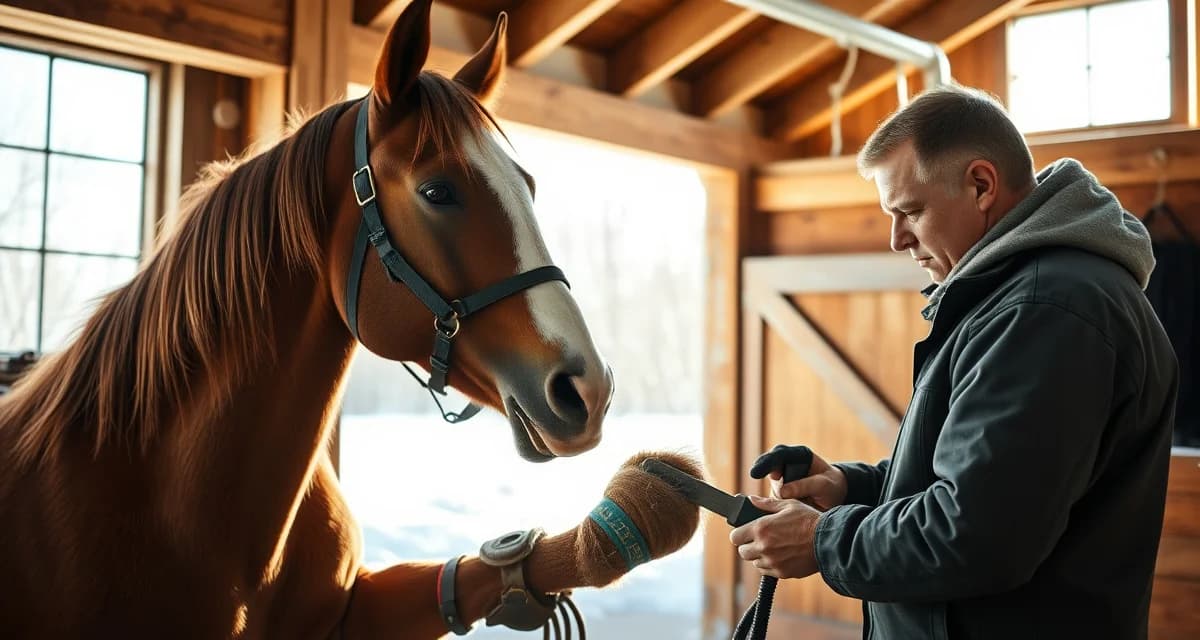
Minnesota winters are genuinely brutal. Sub-zero temperatures, horses that are inside more and moving less, ice that makes barn visits treacherous, and shorter daylight hours that compress your working day. Winter shoeing demands, including ice cleats, pads, and snowball-prevention setups, add complexity to an already challenging environment.
FarrierIQ's hoof health records let you note exactly what winter setup each horse is running, including what pads or traction devices were applied and whether they're working well. When spring arrives and it's time to pull winter gear, you know exactly what's on each horse without having to check.
The Summer Show Season Sprint
From May through October, the Twin Cities horse community comes alive. Shows, clinics, trail rides, the Minnesota State Fair, county events. The demand for farrier work compresses into a shorter season, and being organized enough to serve that demand efficiently separates busy farriers from overwhelmed ones.
FarrierIQ's scheduling app handles the summer surge. You can see exactly which horses in your book are approaching their next visit, flag horses that need priority scheduling before specific show dates, and build routes that maximize horses per day during the busiest weeks of the season.
Prior Lake and the Southwest Suburbs
The Prior Lake, Savage, and Shakopee area southwest of the Twin Cities has a notable horse community, including the Canterbury Park area with its equine-focused demographics. Scott County more broadly has a mix of working farm horses and pleasure horses that provides a diverse client base.
These southwestern suburbs offer good route density if you're running Dakota and Scott County on the same days, and FarrierIQ's route optimization helps build that efficiently.
Keeping the Book Consistent Year-Round
The temptation in a seasonal market like Minneapolis is to let the book thin out in winter and then scramble to fill it in spring. A better approach is keeping every horse on their proper interval through the winter, even if visits are a bit shorter and the work is different.
FarrierIQ's overdue alerts and automated reminders help you maintain those winter intervals without having to manually track which clients haven't been in touch since November.
Frequently Asked Questions
What farrier app is popular near Minneapolis Minnesota?
FarrierIQ is used by farriers in the Twin Cities and across Minnesota. Its scheduling tools handle the seasonal swings that are unique to northern markets, and its horse records capture the winter-specific notes, like ice traction setups, that are part of Minnesota farrier work.
How do Twin Cities farriers manage the winter-to-summer scheduling transition?
The key is keeping horses on their intervals through winter rather than letting the book go dormant and trying to restart it in spring. FarrierIQ's automated reminders and overdue alerts make it easier to keep winter clients engaged so the spring transition is an acceleration rather than a restart.
Is there farrier software for the Prior Lake MN horse community?
Yes. FarrierIQ works across the full Twin Cities metro, including Prior Lake, Savage, and Scott County south of the metro, as well as the more rural communities in Wright, Sherburne, and Carver counties surrounding the urban core.
How do Minneapolis-area farriers handle documentation for winter hoof management?
Winter hoof documentation in Minnesota serves two purposes that justify the additional note-taking time. First, it creates a per-horse winter care record -- what traction setup is on each horse, whether snowball prevention pads are working, and any hoof quality observations from cold-weather conditions. This record is what you reference when clients ask why their horse's hooves look different in March than they did in October. Second, winter is when hoof quality changes most dramatically -- horses with dry, brittle walls from months of indoor living are different animals than the same horse in August. Documenting these seasonal shifts per horse builds a multi-year pattern that helps you anticipate which horses need proactive care heading into each winter. The farrier hoof health records guide covers the documentation structure that works best for seasonal condition tracking.
What credentials matter most in the Twin Cities horse market?
The Twin Cities sport horse community -- particularly hunter-jumper and dressage clients in Hennepin and Ramsey county facilities -- expects AFA Certified Farrier at minimum and responds well to Journeyman Farrier credentials for upper-level competition horses. The suburban pleasure horse community in Scott and Dakota counties is less credential-focused but still responds positively to professional documentation and organized service. The rural communities in Wright and Sherburne counties have more traditional working horse clients who value reliability and practical skill over formal credentials. Building a diverse Twin Cities book means serving all three segments -- the sport horse community rewards credentials most visibly, but the suburban and rural pleasure horse segments are where book volume typically lives.
Sources
- University of Minnesota Extension, Minnesota horse population and equine management resources
- Minnesota Department of Agriculture, state equine industry statistics
- American Farrier's Association (AFA), North Central regional farrier professional resources
- American Farriers Journal, northern climate farrier management and seasonal scheduling data
Get Started with FarrierIQ
Minneapolis's 22,000+ horse market and extreme seasonal swing require both winter scheduling discipline to prevent book attrition and summer organization to handle the compressed show season demand -- FarrierIQ's interval tracking, overdue alerts, and route optimization keep the Twin Cities book intact year-round. Try FarrierIQ free and run your first optimized Twin Cities route before your next work day.