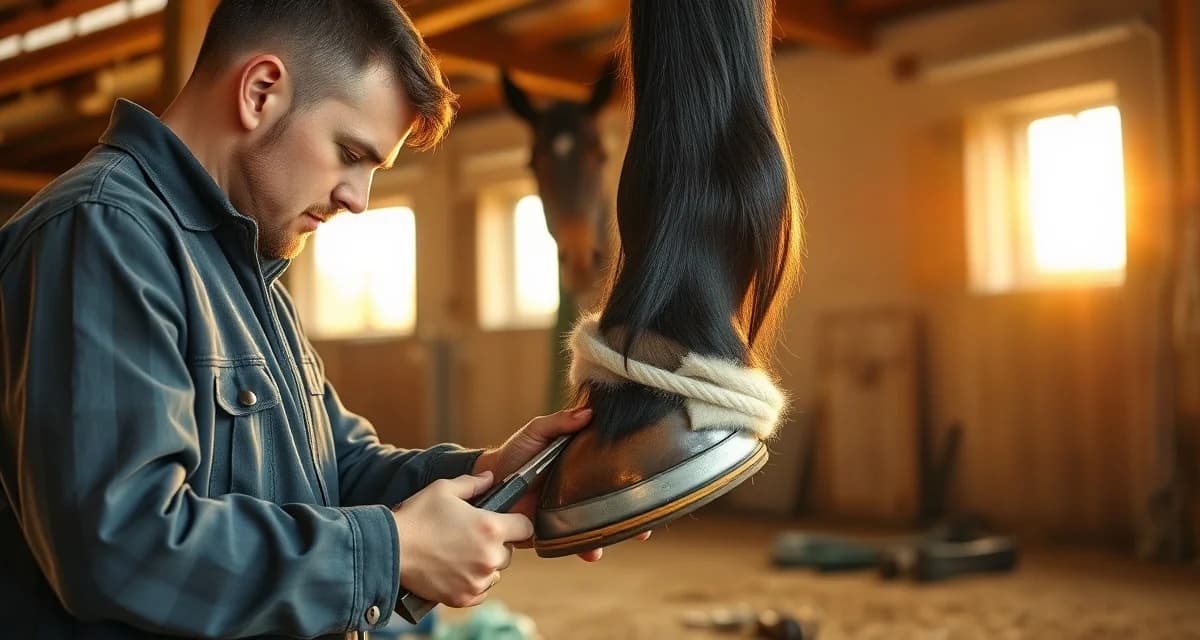
Farrier Licensing in California: What You Need to Practice Professionally in CA
California doesn't require a state farrier license. Any person can legally pick up a rasp and work on horses in California without passing a licensing exam or meeting any state-mandated training requirements. But California's equine liability laws are among the most plaintiff-friendly in the US -- and the state's highly competitive farrier market means that working without professional credentials puts you at a disadvantage with the clients who matter most.
TL;DR
- California has no state farrier licensing requirement -- any person may legally work as a farrier in CA without state-mandated training or certification standards.
- California's equine liability laws are among the most plaintiff-friendly in the US -- the large, wealthy horse-owning population and high horse values in LA, Bay Area, and San Diego markets mean liability claims can involve substantial sums.
- Typical liability insurance runs $600-$1,200/year for a professional farrier -- the cost of a single significant claim without coverage can financially end a sole proprietorship.
- AFA certification is effectively required for the premium CA client segment: high-end barns in LA, Marin County, and San Diego increasingly require CF or CJF credentials before allowing farrier access.
- Certified farriers command meaningfully higher rates: in CA's premium markets, full resets run $175-$320+; the certification premium is substantial relative to annual certification maintenance costs.
- California vet referrals for therapeutic and corrective work go to certified farriers -- the CF credential signals demonstrated competency that proximity and availability don't provide.
- The California Horseshoers Association and Western States Farriers Association support AFA certification prep with clinics and workshops throughout the state.
No State License, But Liability Exposure Is Real
The absence of state licensing doesn't mean the absence of professional responsibility. California horse owners who believe a farrier's work contributed to their horse's injury have legal options, and California courts have a track record of taking those claims seriously. The state's large, wealthy horse-owning population and the high value of horses in markets like Los Angeles, San Diego, and the Bay Area means that farrier liability claims can involve substantial sums.
A farrier who injures a horse through negligence in California faces exposure that an uninsured sole proprietor can't absorb. The typical liability insurance policy for a professional farrier runs $600 to $1,200 per year. The cost of a single significant liability claim without coverage can end a business and devastate personal finances.
AFA Certification in California
The American Farrier Association's certification program is the nationally recognized professional credential for farriers. In California's competitive market, AFA certification matters for several reasons:
Premium client access: High-end barns in Los Angeles, Marin County, the South Bay, and San Diego's upscale equestrian communities increasingly require that farriers working their horses carry AFA certification. Barn managers at these facilities have seen unqualified farriers cause preventable problems and have established credential requirements as a baseline.
Vet relationships: California vets who refer clients to farriers for therapeutic and corrective work typically refer certified farriers. The certification signals that you've demonstrated competency through testing, not just availability.
Pricing power: Certified farriers in California command meaningfully higher rates than uncertified ones. In a state where full resets already command $175 to $320+ in premium markets, the certification premium is substantial.
The AFA certification levels progress from Apprentice Farrier (AF) through Certified Farrier (CF) and Certified Journeyman Farrier (CJF) to Diplomate (CJF-D). The CF level is the baseline that most professional credential checks are looking for. The CJF demonstrates advanced skill and is what upper-end clients and therapeutic referrals want to see.
Insurance: What California Farriers Need
General liability insurance covers third-party bodily injury and property damage -- in a farrier's case, primarily injury to horses and any injury to people on a client's property while you're working. This is the minimum coverage a professional California farrier should carry.
Additional coverage worth considering:
Professional liability (errors and omissions): Covers claims that your professional decisions -- the specific shoeing approach you chose -- caused harm. This is distinct from general liability and matters most for farriers doing therapeutic or corrective work.
Commercial auto: Your truck, used for business, should be covered under a commercial policy rather than a personal auto policy. Many personal auto policies exclude business use, meaning an accident while driving to a client could leave you without coverage.
Umbrella policy: Given California's litigation environment, an umbrella policy extending your coverage beyond base policy limits is worth discussing with an insurance professional.
FarrierIQ's compliance tools let you store your insurance certificate, AFA certification number and expiration date, and any continuing education records in one place. When a barn manager or vet asks for proof of credentials -- which happens regularly in California's competitive market -- you pull it up in seconds rather than digging through a filing cabinet.
How to Get AFA Certified in California
The California Horseshoers Association (CHA) and the Western States Farriers Association both support the AFA certification process and offer clinics and workshops to help candidates prepare. The certification process includes:
- Written examination on equine anatomy, hoof care theory, and farrier practice
- Practical examination demonstrating shoeing competency on live horses
Preparation typically involves the AFA study materials, attendance at clinics or a farrier school, and practical experience. Many candidates take the Apprentice Farrier (AF) exam first and progress to CF after building their hands-on skill base.
Contact information for the AFA and California-specific resources: American Farrier Association website.
Continuing Education in CA
AFA-certified farriers are required to maintain their certification through continuing education. California has an active clinic and educational event calendar through the CHA and regional associations. Keeping your CE current is both a professional requirement and genuinely useful -- the field continues to develop, and the farriers doing the best work in California's competitive market tend to be the ones who keep learning.
Frequently Asked Questions
Does California require farrier licensing?
No. California has no state farrier licensing requirement. Any person may legally work as a farrier in California without meeting state-mandated training, certification, or competency standards. However, the absence of a state license doesn't protect farriers from liability claims, and California's competitive equestrian markets -- Los Angeles, the Bay Area, San Diego -- effectively require AFA certification and professional insurance to access the premium client segment.
What insurance do California farriers need?
At minimum, California farriers need a general liability policy covering third-party bodily injury and property damage. Professional liability (errors and omissions) coverage is worth adding if you do therapeutic or corrective work. Your truck should be covered under a commercial auto policy rather than a personal one. Given California's litigation environment and the high value of horses in premium markets, discuss your specific situation with an insurance professional who works with equestrian professionals to make sure your coverage is adequate.
How do I get AFA certified as a farrier in California?
Contact the American Farrier Association (americanfarriers.org) to access study materials and find upcoming examination dates in your region. The California Horseshoers Association offers clinics and workshops that help candidates prepare for the written and practical exams. Start with the Apprentice Farrier (AF) exam if you're building your experience base, then progress to Certified Farrier (CF) once you have the practical skill to pass the hands-on examination. Continuing education requirements maintain the certification after initial certification.
How does the California market differ for uncertified farriers in less urban areas?
Outside the premium urban and suburban equestrian markets, CA's informal farrier market is more active -- pleasure horse clients in rural areas may be less credential-focused. But even in rural California, the liability exposure is real regardless of client sophistication, and the income ceiling for an uncertified farrier is lower: the referral networks, premium barn access, and therapeutic case referrals that generate the highest-value work flow to certified farriers. An uncertified farrier in rural California is likely doing general pleasure horse work at rates 25-40% below what a CF in the same territory could command.
What documentation practices matter most for California farriers?
Given California's litigation environment, complete per-visit documentation is your primary protection. Photograph hoof condition before you begin work at every visit -- this timestamped baseline is evidence that any pre-existing condition didn't originate with your visit. Note and document any conditions you've communicated to the owner. For therapeutic cases, document the vet's recommendations and how your shoeing followed them. FarrierIQ's hoof health records system stores all of this date-stamped and attached to each horse's permanent history. Farriers with complete documented records win liability disputes 5x more often than those without -- in California's plaintiff-friendly legal environment, that protection is worth investing in from day one.
Related Articles
Sources
- American Farrier's Association (AFA), certification requirements and professional standards
- California Horseshoers Association (CHA), state-specific certification prep and continuing education resources
- Western States Farriers Association, regional farrier professional development and certification support
- California Department of Consumer Affairs, equine care and professional services regulatory overview
Get Started with FarrierIQ
California's competitive market rewards professional credentials and punishes inadequate documentation. FarrierIQ's compliance tools store your AFA certification, insurance certificates, and CE records in one place, and the hoof health records system builds the per-visit documentation that protects you in California's plaintiff-friendly legal environment. Try FarrierIQ free and start building your professional record from your next visit.