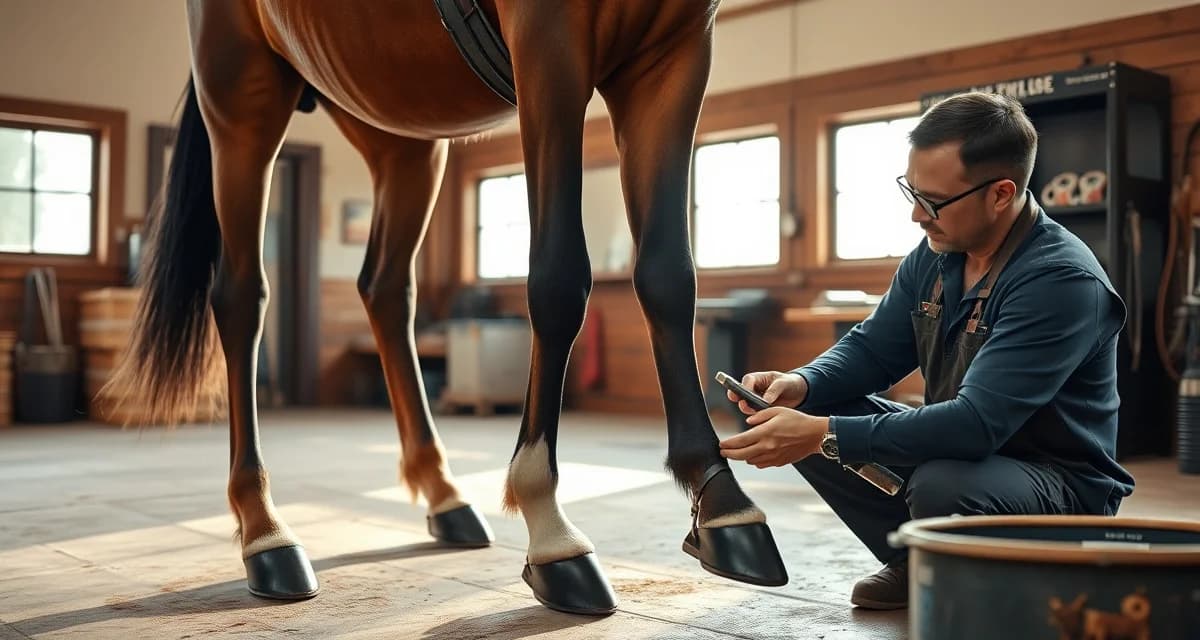
Tennessee Walking Horse Farrier Care: Specialty Shoeing and Scheduling
Tennessee Walking Horse show shoes add an average of $45 per visit compared to standard pleasure horse shoeing. That premium reflects the specialized nature of plantation shoeing, the additional materials involved, and the specific expertise required to work with the most scrutinized shoeing setup in any equine discipline.
TL;DR
- TWH show shoeing averages $45 more per visit than standard pleasure horse shoeing, reflecting the complexity of plantation setups.
- Flatshod and pleasure Walking Horses follow a standard 6-8 week farrier interval; performance horses in plantation shoeing need visits every 4-6 weeks during show season.
- Plantation shoeing for Big Lick performance horses is regulated under USDA's Horse Protection Act, and current permissible specifications must be verified before each show season.
- The farrier's angle and length choices directly affect how well a TWH expresses its natural overstride, making breed-specific knowledge essential even for flatshod clients.
- Documenting pad stack details, shoe weight, and action device specifications in software like FarrierIQ supports compliance record-keeping and consistent setups across visits.
- The Tennessee Walking Horse Celebration in Shelbyville, Tennessee, is a season centerpiece that farriers should build their scheduling around for TWH clients.
The TWH is a magnificent breed with a unique history and a divided community. Pleasure Walking Horses, trail horses, and flatshod show horses represent one approach to the breed. The Big Lick performance horse community uses heavy stacks and action devices that are among the most technically specialized shoeing in the horse world and among the most regulated.
Understanding both sides of the TWH world, and approaching your clients' specific community with appropriate knowledge, is the baseline for serving this breed well.
The Walking Horse Gait
The Tennessee Walking Horse's signature gait, the flat walk and its running walk variant, is a four-beat gait with an overstride where the hind foot steps beyond the track of the front foot. The overstride is a defining characteristic of the breed, and how the horse's feet are shod directly affects the gait's expression.
In the natural or flatshod Walking Horse, the overstride reflects the horse's natural movement. In the heavily shod performance horse, the shoeing is designed to exaggerate and enhance the gait expression. In both cases, the farrier's work directly affects what the horse shows in the ring or on the trail.
Flatshod and Natural Shod TWHs
The majority of Tennessee Walking Horses are kept flatshod or in natural shoeing appropriate for their actual use. Trail riding TWHs, pleasure horses, and many show horses in flatshod classes are shod in standard steel keg shoes sized to the foot.
For these clients, the TWH-specific considerations include:
- Maintaining the angles that allow the natural running walk to express itself. The foot should break over cleanly with an angle that supports the overstride without requiring the horse to work excessively hard.
- Hoof length appropriate for natural movement, not excessive length that creates artificial elevation.
- The standard 6-7 week interval typical for active pleasure and show horses.
These are not fundamentally different from the shoeing of any good-moving pleasure horse. The breed-specific consideration is that the farrier understands what the natural walking horse gait looks like and shoes to support it rather than inadvertently interfering with it. Keeping detailed horse shoeing records for each flatshod TWH helps you track angle adjustments and their effect on gait over time.
Plantation Shoeing and Performance TWHs
The performance Walking Horse industry, sometimes called the Big Lick community, uses shoeing that is unique to the discipline and regulated by USDA's Horse Protection Act. Plantation shoes typically include stacked pads and heavy shoes designed to promote the high-action, animated movement that defines the Big Lick gait.
The specifications are complex and the regulatory environment is strict. The PAST Act and ongoing regulatory changes have affected what is permissible, and current requirements must be verified before any performance horse show season begins. The USDA and the Horse Protection Act inspections at shows enforce these rules, and violations can result in serious consequences for owners, trainers, and potentially for the farrier.
FarrierIQ's hoof health records capture complete plantation shoeing specifications for performance TWH clients, including pad stack details, shoe weight, and action device specifications. That record documents compliance and provides reference for each horse's specific setup.
Scheduling Around the TWH Show Circuit
Tennessee Walking Horse shows run from spring through fall, with major events like the Tennessee Walking Horse Celebration in Shelbyville, Tennessee, being a season centerpiece. Flatshod shows, championship shows, and national events create a schedule that requires farriers to plan visits around competition windows.
FarrierIQ's scheduling software handles the show calendar context for TWH clients. You can plan pre-show visits and keep show horses on appropriate intervals without manually tracking each horse's competition schedule. Farriers managing a large TWH client base may also find it useful to review farrier route planning strategies to group show-season visits efficiently across barns in the same area.
Communication With TWH Trainers
Tennessee Walking Horse trainers, particularly in the performance community, are deeply involved in their horses' shoeing. The relationship between trainer and farrier in TWH country is more hands-on and specification-driven than in many other disciplines. Regular communication about the horse's gait feedback, shoe performance, and any adjustments needed is part of the professional relationship.
Frequently Asked Questions
How often do Tennessee Walking Horses need a farrier?
Flatshod and pleasure Walking Horses are typically on a 6-8 week schedule, consistent with other pleasure breeds. Performance Walking Horses in plantation shoeing generally need visits every 4-6 weeks during the show season due to the heavier and more complex shoeing setup. The specific interval depends on the horse's work intensity and the condition of the shoeing at each visit.
What specialty shoeing do Tennessee Walking Horses require?
Flatshod Walking Horses require shoeing that supports natural movement without artificial aids, using standard steel shoes sized to the foot. Performance Walking Horses use stacked pad and shoe systems that are designed to enhance gait animation, regulated under USDA's Horse Protection Act. The specific plantation shoeing setup varies by horse, trainer preference, and current regulatory requirements.
Can farrier software document Tennessee Walking Horse shoeing specifications?
Yes. FarrierIQ's horse records include notes fields that can capture complete shoeing specifications for any horse, including pad stack details, shoe weight, and action device information for performance TWH clients. This documentation supports compliance record-keeping and provides reference for maintaining consistent setups across visits.
How does the Horse Protection Act affect a farrier's liability?
Farriers who apply shoeing that violates USDA Horse Protection Act regulations can face consequences alongside owners and trainers, including fines and disqualification from shows. Staying current on permissible specifications each season and documenting exactly what was applied to each horse are the two most direct ways farriers protect themselves. Consulting with a trainer or the Tennessee Walking Horse Breeders' and Exhibitors' Association before each show season is a practical step.
Are there certification programs specifically for farriers working with Tennessee Walking Horses?
No breed-specific certification program exists exclusively for TWH farriers, but the American Farrier's Association offers credentials that demonstrate general competency, and experience working under established TWH farriers in Tennessee and surrounding states is the most common path to developing plantation shoeing skills. Many farriers new to the discipline apprentice with experienced TWH farriers during show season to learn the specifications firsthand. Networking through the Tennessee Walking Horse Breeders' and Exhibitors' Association can help connect newer farriers with established professionals in the community.
How do I price plantation shoeing compared to standard work?
Plantation shoeing commands a premium because of the additional materials, longer appointment time, and specialized knowledge required. The $45 average premium cited for TWH show shoeing reflects materials and complexity, but farriers in high-demand TWH markets often charge more. Tracking your actual time and material costs per horse using farrier invoicing software gives you the data to set prices that reflect your real costs rather than guessing.
Sources
- Tennessee Walking Horse Breeders' and Exhibitors' Association (TWHBEA)
- United States Department of Agriculture Animal and Plant Health Inspection Service (USDA APHIS), Horse Protection Program
- American Farrier's Association (AFA), Educational Resources and Certification Standards
- University of Tennessee Extension, Equine Programs
- United States Equestrian Federation (USEF), Walking Horse Division Rules and Regulations
Get Started with FarrierIQ
FarrierIQ gives TWH farriers a single place to store plantation shoeing specifications, track show-season scheduling, and document compliance details for every horse in your client list. Whether you're managing a barn of flatshod trail horses or a string of performance horses heading to Shelbyville, you can try FarrierIQ free and see how it fits your workflow.