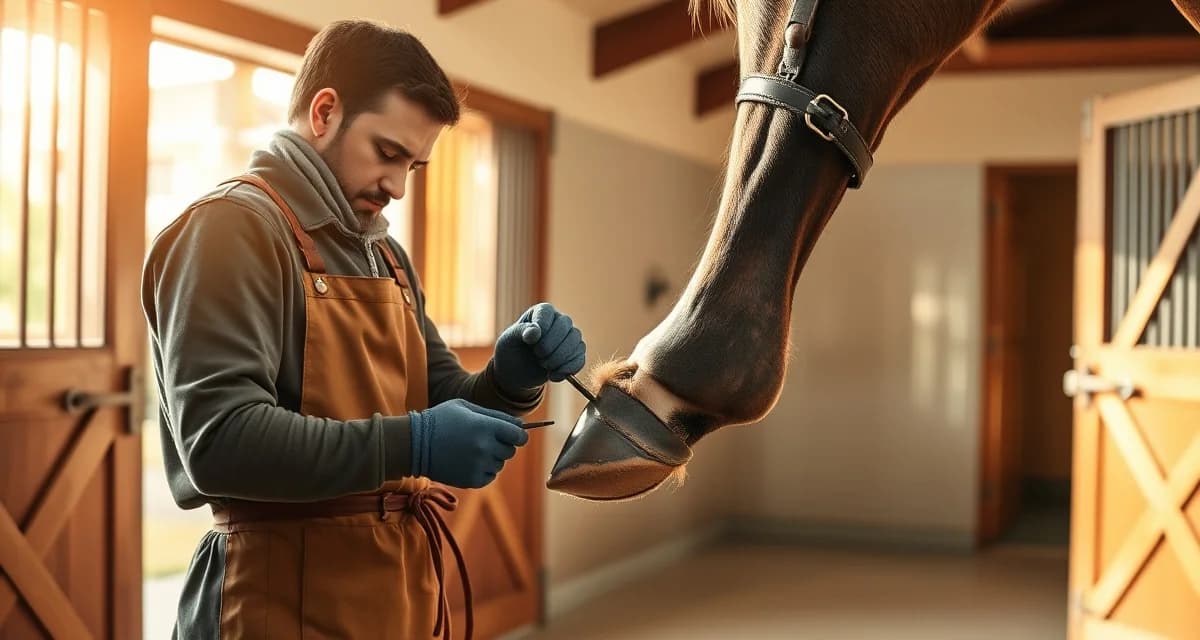
How Much Does a Farrier Charge in Pennsylvania? 2025 Pricing Guide
In Pennsylvania, a basic trim runs $40-70, a full set of steel shoes runs $160-255, and aluminum shoes run $200-320. Philadelphia suburbs and Chester County horse country run at the top. Lancaster County Amish horse work runs lower.
TL;DR
- Chester County and the Philadelphia suburbs are Pennsylvania's most expensive farrier market, with full steel sets running $215-255 and aluminum reaching $320.
- Lancaster County Amish country is the lowest-rate market in the state, with full sets at $140-185, but high volume and steady clients can offset the lower per-visit revenue.
- Pittsburgh suburbs and western PA fall in the $165-220 range, with more western and pleasure horse influence than eastern markets.
- Pennsylvania hunt country horses (Chester County, Brandywine) may be on 4-5 week shoeing cycles during hunt season, increasing annual visit frequency.
- Standardbred harness horses dominate Lancaster County, requiring specialized knowledge of harness work and road-surface shoeing that farriers can use to build long-term community relationships.
- Pennsylvania winters in northern and central regions can disrupt scheduling from December through March, making route planning critical for consistent revenue.
- Across most Pennsylvania markets, budgeting $160-255 for a standard steel set covers the majority of non-Amish, non-Philadelphia-suburb work.
The Expanded Answer
Pennsylvania's horse geography ranges from some of the most prestigious equestrian land in the East to the working horse communities of Lancaster County's Amish farms.
Chester County / Philadelphia Suburbs (the Main Line and beyond): Pennsylvania's most prestigious horse country. Malvern, Unionville, and the Route 30 corridor have some of the most valuable equestrian properties in the Mid-Atlantic. Full sets $215-255 steel, $265-320 aluminum. Trims $60-70. Hunt country rates reflect the high-value clientele.
Bucks County / Doylestown area: Similar to Chester County but slightly more varied. Full sets $195-245. Strong hunter/jumper and trail horse presence.
Lancaster County (Amish country): A completely different market. Working buggy horses and farm horses owned by Amish and Mennonite communities need regular work. Rates run significantly lower - full sets $140-185 - but volume can be high if you develop relationships in the community. Standardbreds and draft breeds dominate.
Pittsburgh Suburbs / Allegheny County: Western PA's strongest market. Full sets $165-220. More western and pleasure horse influence than eastern PA.
Central Pennsylvania (State College area): Mid-range rates. Full sets $160-210.
Pocono Mountains / Northeast PA: Mix of pleasure horses and some New York-adjacent competition horses. Full sets $175-225.
Pennsylvania-Specific Factors
Chester County hunt country. One of the most historically important equestrian communities on the East Coast. Hunting, point-to-point racing, and show horses all concentrated in a relatively small geographic area that supports premium farrier rates.
Amish horse culture. Lancaster County's Amish community has a large working horse population that needs consistent farrier work. These clients value reliability and consistency. The economics are different from show horse work but the volume can be substantial.
Pennsylvania winters. Cold winters with significant snow in northern and central Pennsylvania affect farrier scheduling from December through March.
Valley Forge and Brandywine hunt country have some of the oldest equestrian traditions in the United States - farriers in this community work with historically significant horses and properties.
5 Related Questions
What do farriers charge in Chester County PA horse country?
Chester County rates are the highest in Pennsylvania - full sets $215-255 steel, aluminum commands significant premiums. This market supports premium pricing given the high-value horses and affluent clientele.
What do farriers charge for Amish working horses in Lancaster County?
Lancaster County Amish horse rates run $140-185 for standard sets - lower than the regional average but reflecting the market's economics. These clients are steady, regular, and value reliability above all. Volume can compensate for lower per-visit revenue.
How often do Pennsylvania horses need shoeing?
Standard 5-6 week cycles. Hunt country horses may be on 4-5 week cycles during hunt season. Amish working horses often run 7-8 week cycles.
How do I find a farrier in Chester County PA?
Hunt club connections, local boarding barn referrals, and the AFA farrier directory are reliable. Chester County established farriers often have multi-year wait lists for new high-end clients.
What's different about shoeing Standardbreds in Lancaster County?
Lancaster County's Amish community uses primarily Standardbred horses for buggy work. These horses have specific shoeing needs related to their harness work and the road surfaces they travel. Farriers who develop expertise with Standardbred harness horses build valuable relationships in this community.
Do Pennsylvania farriers charge travel fees on top of their base rates?
Many Pennsylvania farriers charge travel fees for clients outside their primary route, particularly in rural central and northeastern PA where farms are spread out. In dense markets like Chester County, travel fees are less common because stops are geographically close. Expect $10-30 per visit for clients beyond a farrier's core service area.
How does shoeing a draft horse in Lancaster County differ in price from a Standardbred?
Draft horses require larger shoes, more material, and more physical labor, so farriers typically charge $20-50 more per set compared to a standard Standardbred. Lancaster County's Amish farms often have a mix of both breeds, so farriers working that market should have clear pricing for each horse type.
Can a farrier build a full-time business in Lancaster County on Amish horse volume alone?
It is possible, but the lower per-visit rates mean volume is essential. Farriers who establish trust in Amish communities often gain access to multiple farms through word-of-mouth referrals, which can produce a dense, efficient route. Pairing that volume with organized farrier invoicing and record-keeping helps ensure the business stays profitable at lower per-horse margins.
Related Articles
- How Much Does a Farrier Charge in Arkansas? 2025 Pricing Guide
- How Much Does a Farrier Charge in California? 2025 Pricing Guide
- How Much Does a Farrier Charge in Indiana? 2025 Regional Pricing Guide
- How Much Does a Farrier Charge in Maryland? 2025 Regional Pricing Guide
FAQ
Sources
- American Farrier's Association (AFA) - industry pricing surveys and regional membership data
- Pennsylvania State University Extension - equine management and horse population resources for Pennsylvania
- Pennsylvania Department of Agriculture - equine industry statistics and horse population estimates
- The Pennsylvania Equine Council - regional horse industry advocacy and market data
- Hoofcare & Lameness Journal - farrier trade publication covering pricing trends and regional market conditions
Get Started with FarrierIQ
Managing a Pennsylvania farrier business means juggling high-end Chester County show horses on tight 4-5 week cycles alongside high-volume Lancaster County working horse routes at different price points. FarrierIQ keeps your scheduling, invoicing, and hoof records organized across both worlds so nothing falls through the cracks. Try FarrierIQ free and see how much easier it is to run a profitable route across Pennsylvania's varied markets.