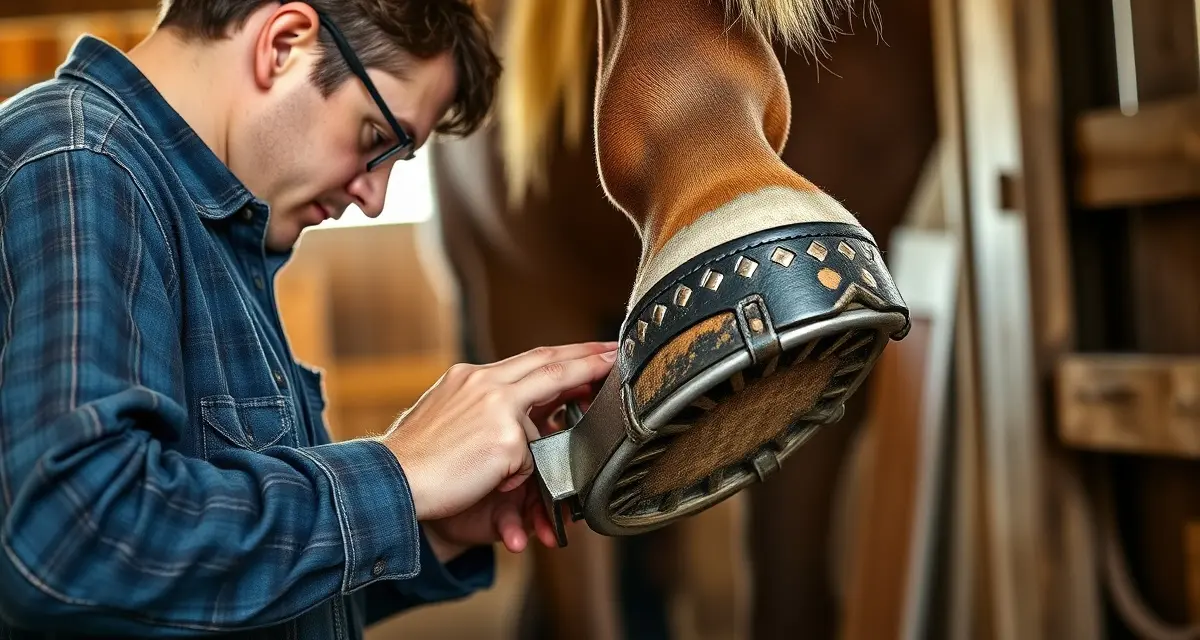
How Much Does a Farrier Charge in California? 2025 Pricing Guide
California farriers command a 28% premium over the national average.
TL;DR
- California farriers average 28% above the national average -- Bay Area and Southern California (LA, Orange County, San Diego, Santa Barbara) are at the highest end; rural California (Central Valley, Sierra foothills, North Coast) is above national average but significantly below metro rates.
- Bay Area and SoCal metro rate ranges: barefoot trim $75-120; front shoes $165-230; full set (4 shoes) $220-350+; corrective/therapeutic $400-600+.
- Rural/Central Valley rate ranges: barefoot trim $50-75; front shoes $110-155; full set (4 shoes) $160-210; corrective/therapeutic $250-450.
- California's 28% premium reflects three compounding factors: highest fuel prices in the nation, high insurance costs for self-employed professionals, and California's top state income tax bracket for farriers earning $80,000-150,000+.
- A pleasure horse in California costs $1,500-2,500/year for trims and resets; a show horse with full sets and corrective work can run $4,000-8,000+/year.
- Competition for good farriers is intense in Bay Area and Southern California -- most top-tier farriers at premium barns operate with full or wait-listed books.
- California's sport horse facilities and professional equestrian operations expect documented professional service -- horse owner portals, detailed per-horse records, and professional invoicing are the standard, not extras. That premium reflects the state's higher cost of living, higher operating costs for farriers (fuel, insurance, vehicle), and a horse owner demographic that expects - and pays for - professional-quality service and documentation.
Current California Farrier Rates (2025)
| Service | Rural/Central Valley | Bay Area / SoCal Metro |
|---|---|---|
| Barefoot trim | $50-75 | $75-120 |
| Front shoes only | $110-155 | $165-230 |
| Full set (4 shoes) | $160-210 | $220-350+ |
| Reset (pull/replace) | $140-185 | $195-300 |
| Corrective/therapeutic | $250-450 | $400-600+ |
These ranges are based on AFA survey data, farrier community reporting, and published rates from California equestrian operations as of early 2025.
Bay Area vs. Rural California Pricing
The Bay Area and Southern California (greater LA, Orange County, San Diego, Santa Barbara) represent California's highest-end farrier markets. Competition for good farriers is intense. Rates reflect that demand.
Rural California - the Central Valley, the Sierra foothills, the North Coast - is more comparable to premium rural markets nationally. Still above the US average, but significantly below Bay Area or LA rates.
Many California farriers service both: a sport horse show barn in Menlo Park and a pleasure horse ranch in the Diablo foothills might both be on the same farrier's Thursday route. The rates are different; the professional standard expected is the same.
California-Specific Cost Factors for Farriers
Fuel and vehicle: California has among the highest fuel prices in the nation. A farrier driving 100 miles per day in California spends significantly more on fuel than the same farrier in Texas or Oklahoma. This is built into California rates.
Insurance: California has higher insurance costs for self-employed professionals. Liability coverage and vehicle/trailer insurance for equine professionals is expensive.
California income tax: California's state income tax is the highest in the US for upper income brackets. Self-employed farriers earning $80,000-150,000+ feel this. Clean QuickBooks records (via FarrierIQ sync) make California tax compliance manageable.
FarrierIQ for California's Premium Market
California's sport horse facilities and professional equestrian operations expect documented, professional farrier services. The horse owner portal, detailed hoof records with photos, and AI hoof health flagging that FarrierIQ provides are exactly the professional-grade tools that California clients at premium barns expect.
Try FarrierIQ free - professional farrier tools for California's premium market
Related Articles
FAQ
What does a farrier cost in the Bay Area vs. rural California?
Bay Area farrier rates for a full set are typically $220-350+ as of 2025. Rural California rates - Central Valley, Sierra foothills, North State - run $160-210 for a full set. The difference reflects the Bay Area's higher cost of living, higher operating costs for farriers, and premium market pricing expectations. Both markets are above the national average because California's overall farrier market commands a 28% premium nationally.
Do California farriers charge more than other states?
Yes. California farriers average 28% above the national average for comparable services. The premium reflects higher operating costs (fuel, insurance, vehicle), higher cost of living that affects what skilled tradespeople need to earn, and a horse owner demographic that expects and pays for professional quality. California's equestrian market - particularly the Bay Area, Southern California, and the show horse circuit in Thermal/Indio - is among the highest-priced in the country.
How often do California horse owners pay for farrier visits?
Most California horses are on 6-8 week shoeing cycles, consistent with national norms. Sport horses in active competition may be on tighter 4-6 week cycles. Annual cost per horse varies by service level: a pleasure horse getting trims and resets might cost $1,500-2,500/year in California. A show horse with full sets and any corrective work might run $4,000-8,000/year or more.
How do California farriers justify premium rates to new clients who compare to out-of-state pricing?
California clients who have moved from other states sometimes experience sticker shock at California farrier rates. The honest explanation is multi-part: California fuel costs are typically the highest in the nation, which directly affects every farrier's operating cost; California insurance for self-employed professionals is expensive; and California's state income tax means a farrier needs to earn more gross revenue to net comparable income to an equivalent practitioner in Texas or Arizona. Beyond operating costs, California's professional equestrian community at premium Bay Area and Southern California barns expects service levels -- complete documentation, professional communication, reliable scheduling -- that take additional time to deliver. Farriers who provide that professional package and explain their cost basis to new clients retain them more consistently than those who simply quote a rate without context.
What documentation do California's premium show barns expect from their farrier?
Show barns at California's top hunter/jumper, dressage, and reining facilities expect per-horse documentation at the level of any professional service relationship. At a minimum: date of visit, shoe type and size for each hoof, any modifications from the previous set with the clinical reason, hoof condition rating or observation, coordination notes if the vet has been involved, and next recommended appointment. For horses in active show programs, competition dates should be in the horse's profile so the pre-show service window can be planned in advance. The horse owner portal gives barn managers and owners direct access to these records between visits -- expected practice at professional California facilities where multiple service providers' records are tracked simultaneously.
Sources
- American Farrier's Association (AFA), California member directory and regional pricing data
- California Horse Council, California equine industry resources and market information
- American Association of Equine Practitioners (AAEP), equine industry professional resources
Get Started with FarrierIQ
California farriers serving Bay Area sport horse barns, Southern California show circuits, and Central Valley ranch accounts use FarrierIQ's professional records, horse owner portal, route optimization, and QuickBooks sync to run organized practices that justify California's premium market rates. For farriers serving California's horse community, farrier software for California provides the professional documentation tools that California's premium farrier market requires.