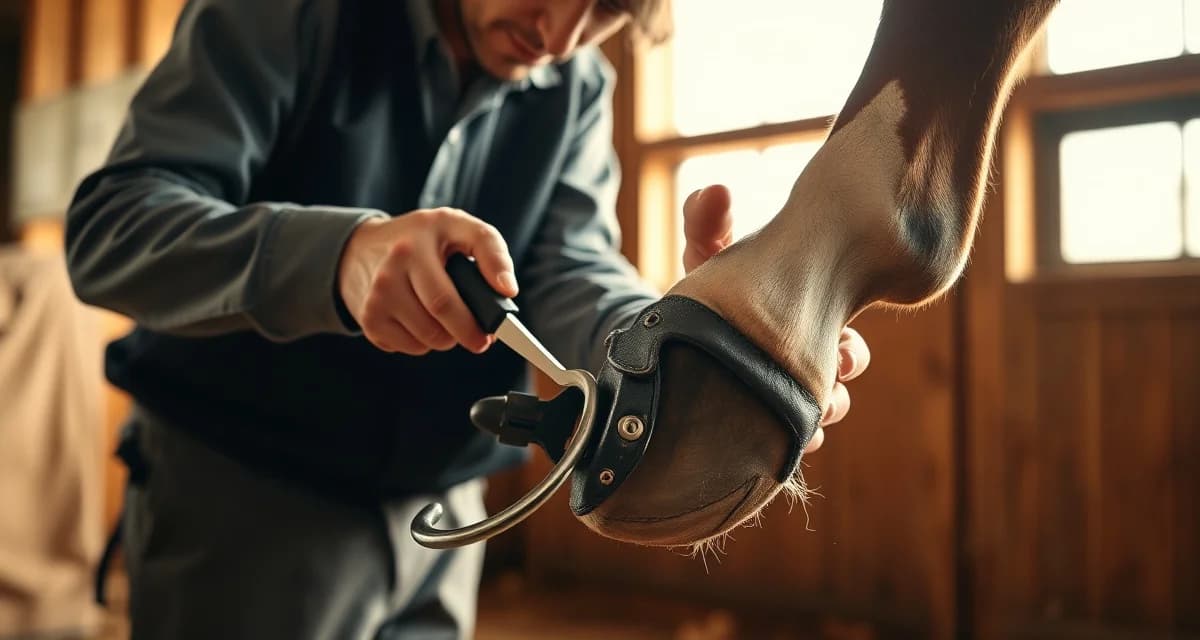
How Much Does a Farrier Charge in Oregon? 2025 Regional Price Guide
In Oregon, a basic trim runs $45-70, a full set of steel shoes runs $170-250, and aluminum shoes run $215-315. Portland metro suburbs and the Willamette Valley equestrian community run at the top of those ranges. Rural eastern Oregon runs lower.
TL;DR
- Basic trims in Oregon run $45-70 and full steel sets run $170-250, with Portland metro and Willamette Valley at the top of those ranges
- Eastern Oregon ranch country farriers often drive 200+ miles per day, making route optimization a significant factor in profitability
- Western Oregon's 40+ inches of annual rainfall accelerates hoof conditions like thrush and white line disease, increasing the value of per-horse condition tracking
- Barefoot trim-only appointments run $45-65 across Oregon, reflecting the Pacific Northwest's stronger-than-average barefoot horse culture
- Wet conditions in western Oregon can push trimming cycles to every 5 weeks rather than the standard 6, affecting how farriers schedule recurring clients
The Expanded Answer
Oregon's horse geography is split dramatically by the Cascades - wet, green, high-density west of the mountains versus dry, spread-out ranch country to the east.
Portland Metro / Tualatin Valley / Willamette Valley: Oregon's most active horse market. Salem, Lake Oswego, and the horse communities around Sherwood and Newberg have strong equestrian operations. Full sets $195-250, trims $55-70. Wet climate hoof conditions mean regular thrush and white line work.
Eugene / Springfield area: Mid-range. Full sets $175-230, trims $48-65. University town with a quality-focused equestrian community.
Bend / Central Oregon: Growing horse community on the east side of the Cascades. Drier conditions than the coast. Full sets $170-225, trims $45-60. Travel surcharges for outlying ranch clients.
Eastern Oregon (Baker, Harney, Malheur counties): Ranch country with long distances between clients. Full sets $150-210. Significant travel surcharges - drives of 40-60 miles between farms are common.
Southern Oregon / Medford-Ashland: Warmer, drier than the north. Full sets $165-225, trims $45-62.
Oregon-Specific Factors
Western Oregon wet conditions. The Willamette Valley averages 40+ inches of rain per year. Horses in wet pastures develop hoof conditions like thrush and white line disease at elevated rates. Farriers who track thrush and white line progression per horse provide better care.
Eastern Oregon distances. Ranch country farriers in eastern Oregon often drive 200+ miles per day. Route optimization is particularly valuable here - every mile saved on a 200-mile day matters.
Oregon's barefoot culture. The Pacific Northwest has a strong natural horsemanship and barefoot horse culture. Farriers working in Oregon often have more barefoot trim-only clients than in some other states.
5 Related Questions
What do farriers charge for barefoot trims in Oregon?
Barefoot trim-only appointments in Oregon run $45-65 depending on region, similar to or slightly above the trim rates for shod horses. Some farriers charge less for barefoot trims given the shorter appointment time.
Do Oregon farriers charge for rain and mud?
Rain and mud conditions slow work and add physical challenges. Some Oregon farriers price slightly higher overall to account for the wet conditions that affect productivity. Others handle it case-by-case with difficult-condition adjustments.
How often do Oregon horses need trimming or shoeing?
Western Oregon's wet conditions can actually accelerate hoof growth, pushing some horses toward 5-week cycles. Eastern Oregon's drier conditions align more with standard 6-week intervals. Individual horse growth rate remains the most important variable.
How do I find a farrier in the Portland OR area?
AFA directory, local riding club connections, and Willamette Valley horse owner networks are reliable sources. Portland metro farriers are often fully booked - get on wait lists if needed.
Does wet Oregon weather affect shoe retention?
Wet conditions can affect nail hole integrity over time and may push shoes loose faster than in dry climates. Oregon farriers often see more lost-shoe calls than farriers in drier states.
Do farriers in Oregon charge travel fees on top of the service price?
Yes, travel fees are common, particularly in eastern Oregon where drives of 40-60 miles between clients are routine. Some farriers build travel costs into their base rates, while others itemize a per-mile or flat trip charge. It is worth asking upfront how a farrier structures travel costs before booking.
Are aluminum shoes significantly more expensive than steel in Oregon?
Aluminum shoes run $215-315 in Oregon compared to $170-250 for steel sets, a difference of roughly $40-65 per appointment. The premium reflects both material cost and the additional fitting time aluminum requires. Performance and barrel horses are the most common candidates for aluminum in Oregon's equestrian market.
How does Oregon's barefoot culture affect farrier business models?
Farriers with a high share of barefoot trim clients tend to run shorter appointments but need more stops per day to match the revenue of a shoeing-focused route. Tracking appointment type and time per client helps farriers in Oregon's barefoot-heavy markets understand their actual hourly return and set competitive pricing.
FAQ
Sources
- American Farrier's Association (AFA), Lexington, KY - industry membership, certification standards, and regional rate surveys
- Oregon Department of Agriculture, Animal Health Division - equine population data and livestock industry reports
- Pacific Coast Horseshoeing School (PCHS), Plymouth, CA - farrier training and regional trade data for the Pacific Northwest
- Oregon State University Extension Service - equine hoof health publications and Willamette Valley horse management resources
- The American Association of Equine Practitioners (AAEP) - hoof care guidelines and farrier-veterinarian collaboration resources
Get Started with FarrierIQ
Oregon farriers deal with challenges that most scheduling tools were never built for: wet-season hoof condition tracking, long eastern Oregon routes, and offline access when you lose signal in the Cascades. FarrierIQ is built specifically for farrier businesses, so you can log hoof notes per horse, optimize your daily route, and keep records synced whether you have cell service or not. Try FarrierIQ free and see how it fits your Oregon client base.