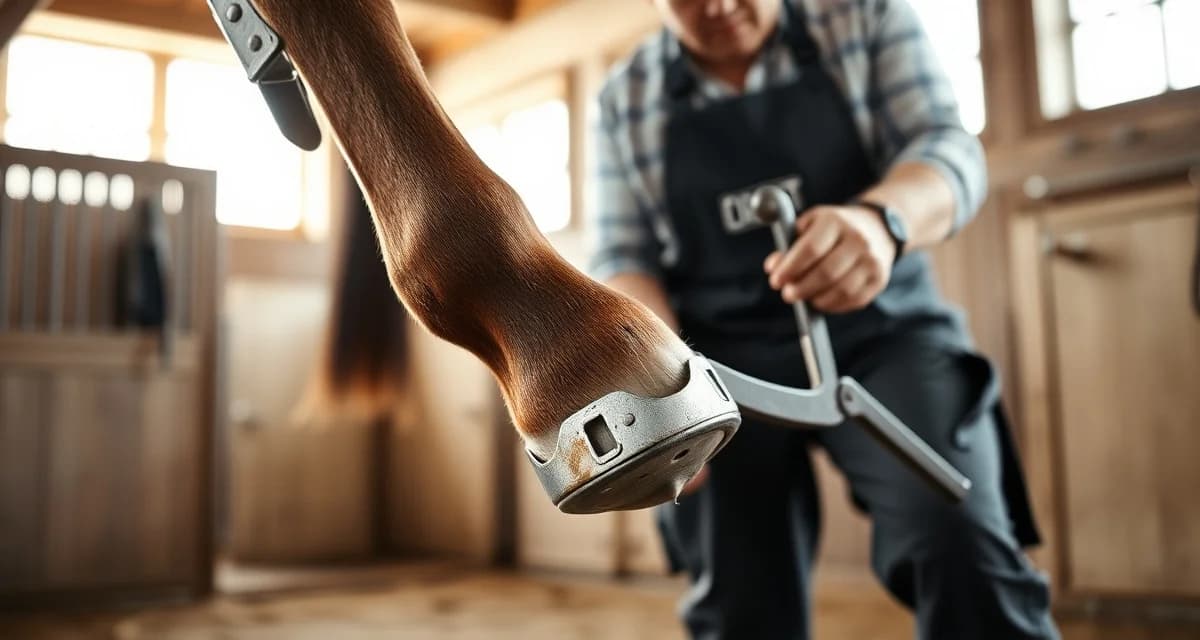
How Much Does a Farrier Charge in New York? 2025 Pricing by Region
In New York, a basic trim runs $55-80, a full set of steel shoes runs $200-300, and aluminum shoes run $250-375. Westchester and the Hamptons trend at the top of those ranges; rural upstate New York runs somewhat lower.
TL;DR
- A full set of steel shoes in New York ranges from $160-300 depending on region, with Westchester and Long Island at the top and western/northern NY at the bottom.
- Aluminum shoes cost $250-375 statewide, with the highest rates in Westchester ($270-375) and Long Island.
- Therapeutic shoeing runs $225-500+ in most New York markets, with experienced practitioners in high-cost areas charging more.
- Travel surcharges of $0.75-1.25/mile beyond 20 miles are standard in rural western and northern New York where farm-to-farm drives are long.
- Saratoga-area farrier rates spike during the summer racing meet (late July through August) due to concentrated Thoroughbred demand.
- Qualified farriers are in high demand across the state, and established Hudson Valley and Westchester farriers often maintain wait lists for new clients.
The Expanded Answer
New York has significant regional variation in farrier pricing, reflecting the state's wide range of cost-of-living differences and horse market types.
Westchester County / Lower Hudson Valley: Some of the highest farrier rates in the state. Trims run $65-85, full sets $220-300, aluminum $270-375. High property values, wealthy horse owners, and proximity to the New York City metro push rates up. Competition horses at Old Salem Farm and other top facilities command premium rates.
Hudson Valley (Dutchess, Columbia, Ulster counties): Solid mid-to-high rates. Full steel sets $190-270, trims $55-75. A mix of pleasure horse owners, small dressage barns, and some competition operations.
Long Island: High rates, driven by the cost of living and the prevalence of well-maintained pleasure and show horses. Full sets $210-300, trims $65-85. Travel time across Long Island can make route planning for farriers challenging.
Capital Region / Albany: Mid-range rates. Full sets $170-240, trims $50-70. A mix of pleasure horses and some competition horses near Saratoga.
Saratoga Area: Rates spike during racing season. Thoroughbred farrier work during the summer Saratoga meet commands significant premiums.
Central and Western New York / Finger Lakes: Rural markets with lower rates. Full sets $160-225, trims $45-65. The Finger Lakes has a solid horse community with primarily pleasure and trail horses.
North Country: Lower density, longer drives between clients. Rates similar to western NY but travel surcharges more common.
New York-Specific Factors
New York winters are hard on scheduling. Ice, snow, and frozen ground mean missed appointments, difficult barn access, and occasionally having to decline a visit entirely. Snow pads and studs are common requests November through March.
Show circuit timing around the Hudson Valley and Westchester creates demand spikes during spring and summer competition seasons. Farriers serving these markets need efficient systems to handle peak scheduling for farriers without losing track of anyone.
Saratoga racing season (late July through August) brings concentrated demand for Thoroughbred farrier work in one of the sport's most prestigious settings.
5 Related Questions
What do farriers charge for therapeutic shoeing in New York?
Therapeutic work in New York runs $225-500+ for most procedures, with specialized work by experienced practitioners running higher in high-cost markets like Westchester.
Do New York farriers charge extra for travel?
Yes, particularly for clients in western or northern New York where drives between farms are long. Travel surcharges of $0.75-1.25/mile beyond 20 miles from the farrier's home base are standard in less dense areas.
How often do horses need shoeing in New York?
Standard 5-6 week cycles for shod horses. Some horses with slow growth in winter may extend to 7 weeks. Competition horses on active schedules often stay on 5-week cycles year-round to maintain shoe quality for shows.
How do I find a certified farrier in New York?
The American Farriers Association directory and the New York State farrier associations list certified practitioners by region. Horse owner networks - boarding barn communities, local riding clubs - are reliable referral sources.
Is there a shortage of farriers in New York?
Qualified farriers are in demand across the state, particularly in rural areas. In the Hudson Valley and Westchester, established farriers often have full books and wait lists for new clients.
What should New York horse owners expect to pay annually for farrier services?
A shod horse on a standard 5-6 week cycle will require roughly 8-9 farrier visits per year. At New York's mid-range full-set price of $230, that works out to $1,840-2,070 annually before any therapeutic work or emergency visits. Owners in Westchester or Long Island should budget toward the higher end of that range.
Do farriers in New York charge differently for Thoroughbreds versus other breeds?
Thoroughbreds, particularly those in active training or racing, often require more precise fitting and faster turnaround, which can push prices higher. During the Saratoga meet especially, farriers working with racing stables may charge premium rates reflecting the specialized skill and time demands of that work.
Can New York farriers invoice clients digitally?
Many farriers now use farrier invoicing software to send digital invoices and track payment by horse or by barn. This is especially useful for farriers managing large books across multiple counties, where paper records become difficult to maintain across dozens of clients.
Related Articles
FAQ
Sources
- American Farriers Association - industry pricing surveys and farrier certification directory
- Cornell University College of Veterinary Medicine - equine hoof care and therapeutic shoeing resources
- New York State Department of Agriculture and Markets - equine industry data and horse population statistics
- The American Farriers Journal - annual farrier industry pricing and business practice surveys
- New York Horse Council - regional horse industry advocacy and owner resources
Get Started with FarrierIQ
New York farriers juggling show-season surges in Westchester, long rural drives in the North Country, and Saratoga's compressed racing schedule need a system that keeps every horse's records, invoices, and appointments in one place. FarrierIQ is built for exactly that kind of varied, high-volume book. Try it free and see how much time you get back each week.