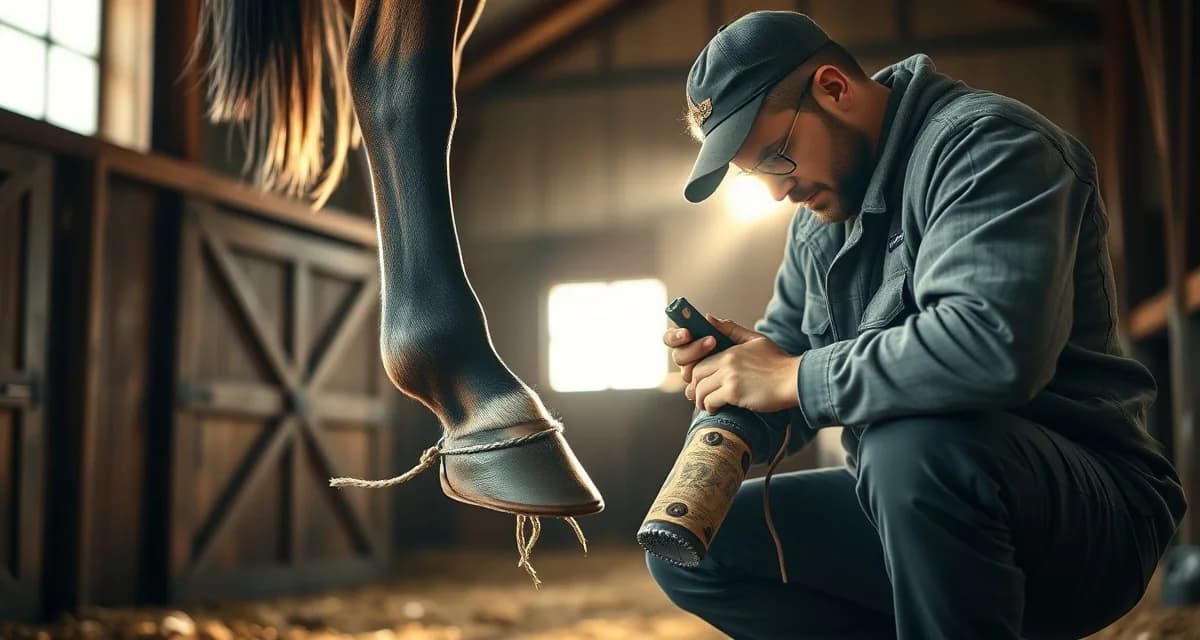
How to Find a Farrier in Kentucky: Resources for Bluegrass State Horse Owners
Kentucky farm managers require detailed credentials and references from all contracted farriers -- and for good reason. The Bluegrass State manages more high-value horses per square mile than anywhere else in the world, and a farrier error on a Thoroughbred worth $500,000 or more is a career-defining event. Kentucky's farrier evaluation process is more rigorous than almost any other state.
TL;DR
- Kentucky manages more high-value horses per square mile than anywhere else in the world -- the farrier evaluation process in Thoroughbred country is more rigorous than almost any other US market.
- Kentucky has three distinct farrier markets: Lexington/Bluegrass region (Thoroughbred industry center, world-class farriers fully committed to farm accounts), Louisville/Metro (Saddlebreds, Standardbreds, and pleasure horses with solid supply), and Eastern/Western Kentucky (thinner supply, different horse culture).
- For Thoroughbred farm accounts: CJF certification minimum, verifiable vet references (not just owner references), documentation of liability insurance, specific Thoroughbred experience, and emergency availability for pre-race and lost shoe issues.
- The farm manager referral network is the most reliable resource in Thoroughbred country -- major Lexington farm managers know every qualified farrier in the region and their evaluations are worth more than any directory listing.
- Major Bluegrass farms may have multi-farrier approval lists with formal qualification processes -- new practitioners may undergo supervised trial visits before being cleared for the property.
- Finding a farrier for a private pleasure horse near Lexington is different from finding one for a breeding farm -- Thoroughbred industry farriers are often fully committed to farm accounts and unavailable for general clients.
- Farriers using FarrierIQ's horse owner portal and maintaining complete per-horse records signal the professional documentation that Kentucky's serious horse industry demands.
Kentucky's farrier evaluation process is more rigorous than almost any other state.
Kentucky's Farrier Market Landscape
Lexington / Bluegrass Region
Fayette County and the surrounding Bluegrass counties - Woodford, Scott, Bourbon, Clark, and Jessamine - are the center of the Thoroughbred industry. The horse concentration here is extraordinary. Farriers who work major Thoroughbred farms are among the most skilled and experienced practitioners in the world.
Finding a farrier for a private pleasure horse near Lexington is different from finding one for a breeding farm. The Thoroughbred industry farriers are often fully committed to their farm accounts and unavailable for general pleasure horse clients.
Louisville / Metro Area
The Louisville area has a different horse culture than Lexington - Saddlebreds, Standardbreds (Churchill Downs area), and pleasure horses rather than Thoroughbred farms. Oldham County north of Louisville has a substantial pleasure horse and show horse community. Farrier supply in Louisville is solid for pleasure and show horses.
Eastern Kentucky
Appalachian Kentucky has a distinct horse culture - trail riding, mountain horse breeds, and gaited horse communities. Farrier supply is thinner here, and finding practitioners requires knowing the local networks.
Western Kentucky
Western Kentucky's horse community is agricultural and recreational. Supply is adequate for general pleasure and farm horse work.
Finding a Farrier in Kentucky
American Farrier's Association Directory
The AFA at americanfarriers.org has strong Kentucky representation, particularly in the Lexington and Louisville markets. For Thoroughbred farm work, look specifically for CJF credentials and ask about racetrack experience.
Farm Manager Referral Networks
For Thoroughbred country, the farm manager network is everything. Major Lexington farm managers know every qualified farrier in the region and evaluate them rigorously. If you're a farm manager looking for a new farrier, other farm managers are your most trusted source.
Your Equine Vet
Kentucky's equine veterinary community is world-class and deeply familiar with which farriers coordinate professionally on cases, maintain proper records, and work within veterinary guidance. A vet referral in Lexington is high-signal.
FarrierIQ Owner Portal
Farriers using FarrierIQ's horse owner portal let farm managers evaluate their documentation practices before a first visit. Farrier software for Kentucky users who maintain complete per-horse records signal the professional management that Kentucky's serious horse industry demands.
What Kentucky Farm Managers Look For
Beyond credentials, Kentucky farm managers evaluating farriers typically ask:
- What Thoroughbred or breeding farm accounts have you served?
- Can you provide veterinary references, not just owner references?
- How do you document each visit and what do your records look like?
- What is your emergency availability for lost shoes and pre-race issues?
- Are you insured, and what does your coverage include?
Frequently Asked Questions
How do you find a farrier for a Thoroughbred farm in Kentucky?
For a Thoroughbred farm, the referral network is your primary resource. Contact neighboring farm managers in your county and ask which farriers they use and trust. Your farm's equine vet is equally valuable - they coordinate on therapeutic and corrective cases and know which farriers are professional, skilled, and reliable for high-value horses. The AFA directory narrows the credential filter, but in Thoroughbred country the community vetting process is more reliable than any directory. Expect to look for CJF credentials minimum, specific Thoroughbred experience, and verifiable vet references before committing a farm account.
What credentials do Kentucky farm managers look for in farriers?
Kentucky Thoroughbred farm managers typically require CJF certification as a minimum, with a preference for farriers who have completed additional training or endorsements. Many farms also require documentation of liability insurance - farm managers are protecting assets worth hundreds of thousands to millions of dollars per horse. Some major Bluegrass farms require background checks and have multi-farrier approval lists that new practitioners must qualify for before working the property. The evaluation process can take weeks and include trial visits supervised by an established farm farrier.
Is there a farrier directory for the Lexington KY horse community?
The AFA directory has strong Lexington coverage. Beyond that, the Kentucky Horse Council and the Kentucky Thoroughbred Association both maintain industry contacts who can provide farrier referrals for specific horse types and needs. The most effective directory for Lexington Thoroughbred accounts is the informal farm manager network -- if you're new to the Bluegrass region and need a farm farrier, connecting with your county's farm manager community is more effective than any public directory.
What documentation should a Kentucky pleasure horse owner expect from a professional farrier?
For a Kentucky pleasure horse owner (not a Thoroughbred farm), expect the same documentation standards you'd expect from any professional service provider: a written or digital record of each visit noting what was done (trim type, shoe size, any modifications), hoof condition observations, and any recommendations made. A farrier should be able to tell you what shoe your horse was in at the last visit and what they noted about your horse's hooves. If you ever need to coordinate with a vet or transition to a new farrier, that history matters. In Bluegrass country, the high professional standards of the Thoroughbred industry have influenced the whole region's expectations -- pleasure horse owners near Lexington are accustomed to professional practices and should expect the same from their farrier, even if the horse is not a high-value racing prospect.
How does Eastern Kentucky's mountain horse culture affect farrier availability and scheduling?
Eastern Kentucky's gaited horse culture -- Tennessee Walkers, Kentucky Mountain Horses, Rocky Mountain Horses -- is strong and geographically dispersed across mountainous terrain. Farriers who specialize in gaited horse shoeing (which requires different angle and breakover considerations than standard shoeing) may be concentrated in specific communities. The rugged terrain and dispersed population mean driving distances between clients are long, and farriers may charge travel fees for remote mountain accounts. Some Eastern Kentucky horse communities are connected through trail riding and show networks that maintain informal farrier referral knowledge -- the Red River Gorge and Daniel Boone National Forest trail community has its own word-of-mouth network that functions well for finding specialists in mountain horse breeds. Ask your county's equine vet for the most current regional recommendations.
Sources
- American Farrier's Association (AFA), Kentucky member directory and credential verification
- Kentucky Horse Council, Kentucky equine industry resources and farrier referrals
- Kentucky Thoroughbred Association, Thoroughbred industry farrier resources and farm management guidance
- American Association of Equine Practitioners (AAEP), equine veterinarian directory for Kentucky
Get Started with FarrierIQ
Kentucky farriers using FarrierIQ maintain the detailed per-horse records that Thoroughbred farm managers require and that serious Kentucky horse owners expect -- accessible through the horse owner portal with complete visit history and hoof condition documentation. For farriers serving Kentucky's diverse horse markets from Thoroughbred farms to mountain trail horses, farrier software for Kentucky provides the record-keeping and scheduling infrastructure that professional practice requires. Learn more about how FarrierIQ serves Kentucky's demanding horse care market.