Farrier Software for Coastal South Carolina: Lowcountry Horse Management
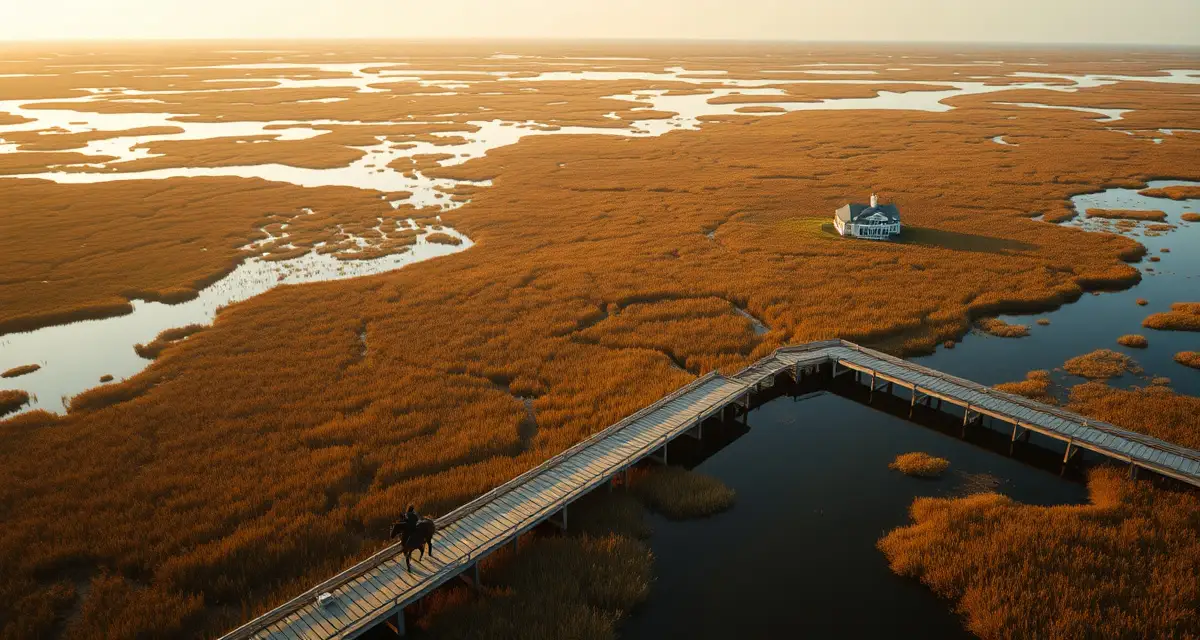
The Lowcountry of South Carolina presents farriers with a routing challenge found almost nowhere else in the country.
TL;DR
- Coastal South Carolina's Lowcountry has 20,000+ horses in a geographically constrained area where wetlands, tidal inlets, and limited bridges mean a barn 3 miles away as the crow flies can be 25 minutes of driving -- standard route optimization built for grid-street cities fails this geography completely.
- A farrier serving Hilton Head Island, Bluffton's gated equestrian communities, and plantations outside Beaufort is making bridge crossings that add 15-30 minutes to trips that look short on a map -- crossing the bridge once per day and working that island geography completely is the only efficient approach.
- FarrierIQ's route optimization accounts for actual driving time and road network constraints rather than straight-line distances -- island clients get grouped into single-day runs so you cross the bridge once.
- Plantation and gated equestrian communities commonly have specific access requirements: gate codes, property management contacts, scheduled arrival windows -- these details need to live in the client record, not in a mental note that fails at the property entrance.
- Some remote sea island and barrier island properties have inconsistent cell coverage -- offline mode ensures horse records and appointment schedules are on the device when signal is unavailable.
- Plantation communities and sophisticated Lowcountry horse owners have high documentation expectations consistent with any premium East Coast equestrian market.
- Coastal South Carolina farriers using FarrierIQ handle bridge-aware routing, gated community access management, and professional records for plantation horse accounts in one platform built for the Lowcountry's unique geographic constraints. Wetlands, tidal inlets, and the limited number of bridges and causeways connecting the barrier islands and sea island communities mean that a horse barn three miles away as the crow flies might be 25 minutes of driving across a bridge and back. Standard route optimization built for grid-street cities or open rural landscapes doesn't account for the reality of working around Beaufort, Bluffton, Hilton Head, or the plantation communities outside Charleston.
South Carolina's Lowcountry has 20,000+ horses on plantation and equestrian communities. That's a dense horse population in a geographically constrained area where routing intelligence pays off significantly.
The Bridge and Waterway Problem
Most farrier route optimization software assumes you can drive a fairly direct path between stops. In the Lowcountry, that assumption breaks down regularly. A farrier serving horses on Hilton Head Island, in Bluffton's gated equestrian communities, and on plantations outside Beaufort is dealing with bridge crossings that add 15 to 30 minutes to trips that look short on a map.
FarrierIQ's route optimization accounts for actual driving time and road network constraints rather than straight-line distances. For Lowcountry farriers, this means the routing algorithm understands that island clients should be grouped into a single day's run -- you cross the bridge once and work that geography completely before crossing back.
Plantation and Equestrian Community Records
The plantation communities and gated equestrian developments that characterize much of the Lowcountry horse market often have multiple horses per property, sophisticated owners with high expectations for professional service, and sometimes specific access requirements (gate codes, property management contacts, arrival time windows).
Managing these details in FarrierIQ's client management system means you arrive at every property prepared rather than hunting for gate codes or trying to remember which plantation requires a scheduled arrival within a specific time window. Notes about property access, preferred handling staff, and specific horse requirements are all accessible from your phone.
Offline Capability for Remote Lowcountry Properties
While the Lowcountry isn't as remote as Maine or West Virginia, there are properties -- especially on the more rural sea islands and the barrier island communities -- where cell coverage is inconsistent. FarrierIQ's offline mode means your horse records and appointment schedule are on your device, not dependent on finding a signal. You work the appointment, add your notes offline, and the data syncs when you return to coverage.
Frequently Asked Questions
What farrier app works in South Carolina's Lowcountry?
FarrierIQ works well in the Lowcountry because its route optimization accounts for actual road networks and drive times rather than straight-line distances -- critical when bridge crossings and causeways define your routing options. The app's offline mode handles the connectivity gaps on some of the more remote properties, and the client management tools are organized for the multi-horse plantation and equestrian community accounts common in the area.
How do farriers handle the bridge routing challenges in the SC Lowcountry?
The key is geographic clustering -- grouping all island or across-bridge clients into single day runs rather than crossing back and forth multiple times. FarrierIQ's route optimization handles this automatically by sequencing stops based on actual driving time. Setting up your service zones around the bridge geography (island clients on dedicated days, mainland clients on their own days) minimizes total bridge crossings and makes your routes far more efficient.
Is there farrier software for the Bluffton SC horse community?
FarrierIQ is used by farriers serving the Bluffton and greater Beaufort County equestrian community. The platform's client management tools handle the gated community access details, multi-horse accounts, and sophisticated owner communication preferences common in the Bluffton market. Route optimization is particularly useful for farriers working across the Bluffton, Hilton Head, and Beaufort corridor where bridge geography affects every day's route.
What documentation do Lowcountry plantation horse communities expect from their farriers?
Plantation and gated equestrian community clients in the Lowcountry -- Colleton River, Palmetto Bluff, Spring Island, Long Cove, and similar developments -- tend to be affluent, detail-oriented horse owners with experience of high-service professional standards across all aspects of their horse's care. Per-horse visit records that include date, service performed, hoof condition observation, any coordination with the property's equine manager or veterinarian, and next recommended appointment reflect the professional standard this market expects. For multi-horse plantation accounts where a property manager oversees horse care rather than the owner directly, the horse owner portal gives the property manager direct record access without calling you -- an organizational tool that fits the management structure of large equestrian properties where the owner may not be present at every visit.
How should Lowcountry farriers communicate the bridge geography to new clients?
New clients in Lowcountry communities may not understand why their farrier schedules visits differently from what they experienced in inland horse communities. A brief explanation when establishing a new account -- "I run island and barrier island clients on Tuesdays and Thursdays to avoid making multiple bridge crossings in a week" -- helps new clients understand the routing logic and reduces friction when they ask for a Monday appointment on a Tuesday route. For gated community clients, confirming gate access information at first scheduling and storing it in the client record prevents the avoidable problem of arriving at a gate without the access code. FarrierIQ's client notes fields are the right place for this property-specific information.
Sources
- American Farrier's Association (AFA), South Carolina member directory and credential information
- South Carolina Horse Council, South Carolina equine industry resources and regional contacts
- American Association of Equine Practitioners (AAEP), equine veterinarian directory for South Carolina
- Clemson University Cooperative Extension, equine resources for South Carolina agricultural communities
Get Started with FarrierIQ
Coastal South Carolina farriers managing bridge-constrained Lowcountry routing, plantation community access requirements, and professional documentation for sophisticated equestrian clientele use FarrierIQ's road-network-aware route optimization, client management tools, and offline capability to run efficient practices across the Lowcountry's unique geography. For farriers serving South Carolina's Lowcountry horse community, farrier software for coastal South Carolina provides the scheduling and route planning tools that professional practice in the Palmetto State's Lowcountry requires.